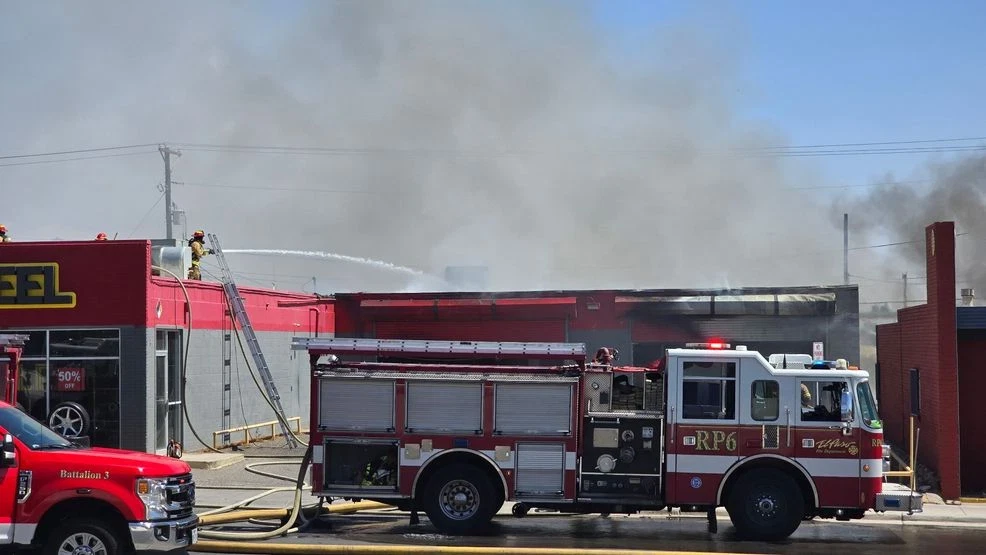
Get fast help with an emergency fire relief service in El Paso, TX. Learn response steps, costs, and how to protect your home after fire damage.
Smoke is still hanging in the air. Your belongings are damaged, your home is uninhabitable, and you are not sure whether to call your insurance company first or find a place to stay. When fire hits your home, every minute matters. Finding an emergency fire relief service in El Paso, TX that responds quickly, knows the local building conditions, and does not disappear after the initial cleanup is critical. First Relief has been helping homeowners through fire recovery long enough to know where the process stalls and how to keep it moving. This article shares what to do in the first hours and days after fire damage.
What Emergency Fire Relief Actually Involves
Emergency fire relief is the immediate response that happens after a fire damages your home. It includes securing the property with board-up and tarp services, removing water used by firefighters, smoke and soot removal from surfaces and air ducts, odor elimination, content cleaning and pack-out of salvageable belongings, structural assessment, and documentation for insurance claims. The goal is to stop ongoing damage and create a clear path toward full restoration.
Professional emergency fire relief service in El Paso, TX, we’ve noticed that most homeowners assume the visible fire damage is the main problem. In reality, smoke and water cause the most expensive long-term damage. Smoke seeps into wall cavities, soaks insulation, and leaves acidic residue that etches surfaces over time. Water from fire hoses pools in subfloors and creates mold within 24 to 48 hours in our warm climate. A proper emergency response addresses both fire damage and the secondary damage that follows.
The equipment used matters. Industrial air scrubbers remove airborne particulates. Thermal fogging and ozone treatments neutralize smoke odors at the molecular level. Commercial dehumidifiers and air movers dry structures before mold takes hold. HEPA vacuums capture fine soot particles that standard vacuums recirculate. Without this equipment, a home might look clean on the surface while hidden smoke and moisture continue destroying materials.
The Real Challenge in El Paso, TX
Best emergency fire relief service in El Paso, TX desert climate and building stock create unique fire recovery challenges. The intense heat and low humidity cause smoke residue to dry and bond to surfaces faster than in humid climates, making cleanup more difficult. Many homes in El Paso have stucco exteriors and drywall interiors that absorb smoke differently than brick or plaster homes. The city’s rapid growth means many neighborhoods have homes built during different eras with varying construction quality and code compliance. After a fire, these factors determine how quickly and thoroughly a home can be restored.
A client trusted emergency fire relief service in El Paso, TX reached out when their kitchen fire had been “cleaned” by a general handyman who wiped down surfaces and set up a few fans. Two weeks later, the smoke smell had returned stronger than before, and dark stains were bleeding through the fresh paint. Our crew found soot embedded in the drywall behind the cabinets, smoke damage in the HVAC ducts that had been recirculating contaminated air, and moisture trapped in the wall cavities from fire suppression. We had to remove the affected drywall, clean the ductwork, treat the framing with odor counteractants, and rebuild from the studs up. The homeowner’s insurance initially questioned the additional costs because the delay had allowed secondary damage to spread.
Here is the objection most competitors never answer honestly: not every fire-damaged home needs full demolition. Sometimes targeted cleaning, deodorization, and selective material removal is enough. Other times, the smoke and heat have penetrated deep enough that full reconstruction is the only safe option. Companies that push maximum demolition on every job are padding their revenue. Companies that refuse to remove anything are risking your health from lingering smoke toxins and structural weakness. An honest assessment tells you exactly what needs to come out and what can be saved.
How First Relief Approaches It Differently
First Relief responds with a full damage assessment before any demolition begins. We use moisture meters, smoke residue testing, and thermal imaging to determine exactly where the fire, smoke, and water traveled, how deep they went, and which materials are salvageable. Skipping that assessment means either removing too much or too little, and both mistakes cost the homeowner money.
We also understand El Paso’s specific fire recovery challenges. For smoke damage, we use cleaning agents formulated for the alkaline soot common in structure fires rather than generic cleaners that smear residue. For odor removal, we combine thermal fogging with hydroxyl generators because our dry climate affects how odor molecules behave. For water damage from fire suppression, we deploy aggressive drying protocols before mold takes hold. Most generic fire restoration articles never mention this, but local climate conditions directly determine which restoration methods work and which ones fail.
Working with clients in El Paso, TX, our team found that homeowners often do not realize their insurance policy limitations until after the damage happens. Some policies limit coverage for smoke damage, content replacement, or temporary housing. Most generic fire recovery articles never mention this distinction, but it directly determines whether your claim gets paid or denied. We help homeowners document damage correctly for their specific policy type from day one.
Practical Tips: What to Know Before You Decide
Before you call professional emergency fire relief service providers in El Paso, TX, understand these critical points.
Document everything before anyone moves or removes anything. Take photos and videos of the damage, the affected items, and the structural conditions from multiple angles. Your insurance adjuster will need this evidence, and the cleanup crew’s documentation might not capture everything from your perspective. Start a written log with timestamps of when you discovered the damage and when each vendor arrived.
Ask about the restoration timeline and monitoring process. A legitimate fire relief company sets benchmarks for smoke removal, moisture levels, and odor elimination, then returns daily to check progress. They do not simply clean once and leave. If smoke odors or moisture levels are not dropping as expected, they adjust their approach. Passive cleaning without active monitoring is a red flag.
Verify what happens to your personal belongings. Some companies include content cleaning and pack-out services, moving salvageable items to a climate-controlled facility for cleaning and storage during restoration. Others focus only on the structure and leave you to handle your possessions. Know what is included before work begins.
One local market-specific tip: if your El Paso home has a swamp cooler or evaporative cooling system, have the contractor inspect the pads, ducts, and water lines for smoke and heat damage. These systems are common in our climate and can harbor smoke residue that recirculates throughout the house even after the visible damage is cleaned. A contractor who ignores the cooling system is leaving a source of ongoing contamination.
Why the Right Fire Relief Partner Matters for Your El Paso Home
A properly executed emergency fire relief response should give you a secured, stabilized home with clear documentation for your insurance claim and a roadmap for any necessary repairs. The immediate crisis ends when the property is boarded up, smoke and water damage is contained, and the space is treated to prevent further deterioration. The longer recovery phase involves rebuilding, which might include drywall replacement, flooring installation, painting, and fixture reinstallation.
Conclusion
If you are dealing with fire damage and need trusted emergency fire relief service in El Paso, TX, act quickly but choose carefully. The company you call in the first hours sets the tone for your entire recovery. First Relief handles fire recovery throughout El Paso with the understanding that every home, every fire, and every insurance situation is different. Reach out for an immediate assessment, and we will tell you exactly what your property needs and what the path forward looks like.
FAQs
How much does emergency fire relief cost in El Paso, TX?
Emergency board-up and initial cleanup typically costs $2,000 to $5,000. Smoke and soot remediation runs $3,000 to $10,000 depending on the affected area. Full reconstruction with structural repairs can reach $20,000 to $100,000 or more. Most reputable companies work directly with insurance and provide detailed documentation for claims.
How do I know a fire relief company is legitimate?
Check for IICRC certification in fire and smoke restoration, which is the industry standard. Verify general liability insurance and ask for local references. A legitimate company responds quickly, explains their process clearly, provides a written estimate, and does not demand full payment upfront before work begins.
How long does fire damage restoration take?
Minor smoke damage cleanup takes three to seven days. Moderate fire damage with structural drying and odor removal runs two to four weeks. Severe fires requiring extensive reconstruction can take two to six months. The timeline depends on the fire’s intensity, the materials burned, and how quickly restoration began.
Will my homeowners insurance cover all fire damage in El Paso?
Standard homeowners policies typically cover fire damage to the structure and contents, but coverage limits, deductibles, and exclusions vary. Some policies limit coverage for smoke damage alone, temporary housing, or certain types of contents. Review your policy details and ask your agent about specific coverage before assuming everything is included.
Can I stay in my home during fire damage cleanup?
Usually not. Even after the fire is out, smoke residue, structural instability, and water damage create unsafe conditions. Most homeowners need temporary housing during the initial cleanup and restoration phase. Your insurance policy may include additional living expense coverage for this purpose. Check with your adjuster.