
Heavy storms can leave homes in bad shape within hours. Water moves fast through drywall, flooring, insulation, and electrical systems. Many homeowners call Flood Victim Relief Services in El Paso, TX after flash floods, roof leaks, or burst pipes damage their property.
In the middle of these stressful situations, companies like First Relief help local residents handle cleanup, drying, and restoration before the damage spreads further.
Why Do Homeowners Need Emergency Flood Cleanup in El Paso?
Summer storms in West Texas often dump large amounts of rain in a short period. Desert soil does not absorb water quickly, so runoff moves across streets and properties fast.
Affordable Flood Victim Relief Services in El Paso, TX help homeowners limit damage before mold and structural problems grow worse. Fast response matters because moisture spreads behind walls and under flooring within hours.
Many residents deal with:
- Storm flooding
- Sewage backups
- Roof leaks
- Overflowing appliances
- Burst plumbing lines
- Foundation seepage
A licensed contractor in El Paso explained that delayed cleanup often doubles repair costs. Wet insulation and drywall trap moisture long after standing water disappears.
Warm temperatures in Texas create another issue. Mold can begin growing within 24 to 48 hours after flooding. The Environmental Protection Agency shares this warning in its EPA mold cleanup guidance.
Some homeowners try to dry flooded rooms using box fans alone. Does that remove hidden moisture inside wall cavities? Most of the time, it does not.
Local providers like First Relief often use commercial drying equipment and moisture meters to locate water trapped beneath flooring and behind baseboards.
Which Flood Restoration Services Work Best for Local Homes?
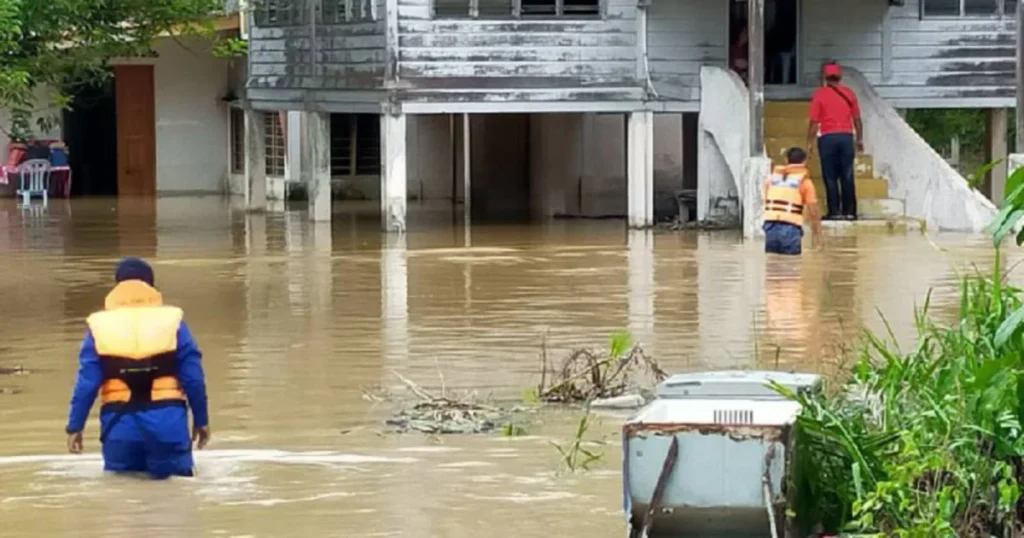
Different flood situations need different recovery methods. Clean water from a broken supply line requires less cleanup than contaminated stormwater or sewage backups.
Water Extraction and Drying
Crews remove standing water using pumps and industrial vacuums. Large dehumidifiers and air movers help dry the structure afterward.
This process protects:
- Hardwood flooring
- Drywall
- Ceiling insulation
- Cabinet bases
- Electrical systems
Tile floors common in El Paso homes hold up better during floods, though moisture can still remain behind walls.
Mold Cleanup and Prevention
Flood recovery teams inspect areas where hidden moisture often collects.
Common inspection points include:
- Crawl spaces
- HVAC systems
- Attics
- Under flooring
- Wall cavities
Small mold problems may need antimicrobial treatment only. Larger contamination areas often require drywall and insulation removal.
Structural Repair Services
Flood damage sometimes weakens framing, trim, and flooring systems. Contractors replace damaged materials once drying finishes.
A homeowner near the Franklin Mountains recently dealt with water entering a finished garage after heavy rainfall. Fast carpet removal and moisture testing stopped mold from spreading into nearby bedrooms.
How Does the Flood Recovery Process Work Step by Step?
Most homeowners feel overwhelmed after a flood. A clear process helps make recovery easier to manage.
Initial Inspection
Contractors inspect the property for electrical hazards, contamination, and structural damage before cleanup begins.
Floodwater from streets may carry debris, bacteria, or chemicals into the home. That changes the safety process immediately.
Water Removal
Crews extract standing water using commercial pumps and vacuums. Quick removal reduces damage to flooring and framing materials.
Why does speed matter so much? Water spreads into hidden spaces quickly and weakens materials over time.
Moisture Testing
Technicians use infrared cameras and moisture meters to locate wet areas hidden behind walls or under flooring.
This step often separates trained restoration teams from general contractors.
Demolition and Cleanup
Flooded drywall, carpet padding, and insulation may require removal. Contaminated materials often cannot be saved safely.
Larger repair projects in El Paso may require permits for electrical, plumbing, or structural work. The city explains these rules through El Paso building permit services.
Drying and Repairs
Industrial drying equipment stays in place for several days. Crews monitor humidity levels daily before reconstruction begins.
Repairs may include:
- Drywall replacement
- Flooring installation
- Painting
- Cabinet repairs
- Electrical repairs
- Roofing repairs
What Affects Flood Restoration Costs in El Paso, TX?
Flood repair pricing changes based on the type of water, the size of the damage, and how long moisture remains inside the property.
Best Flood Victim Relief Services in El Paso, TX may cost a few thousand dollars for small water losses or much more for major structural flooding.
Size of the Damaged Area
A flooded laundry room costs far less to repair than an entire first floor.
Water Contamination Level
Clean water cleanup costs less than black water cleanup involving sewage or storm runoff contamination.
Material Replacement Needs
Laminate flooring usually fails after major flooding. Tile flooring often survives better in Texas homes.
Emergency Response Timing
Storm seasons increase demand for restoration crews. Emergency service pricing sometimes rises during large regional flood events.
Mold Growth
Delayed cleanup often creates expensive mold remediation work later.
According to the Insurance Information Institute, flood claims often reach tens of thousands of dollars after major weather events. Fast mitigation can lower long-term repair expenses.
How Can You Choose the Right Flood Restoration Contractor locally?
Choosing the right contractor matters after a flood. Some companies handle basic cleanup but lack commercial drying equipment or mold remediation training.
Look for providers that have:
- Water restoration certifications
- Moisture testing equipment
- Emergency response availability
- Insurance claim experience
- Local permit knowledge
- Reconstruction services
A specialist focused on reliable flood victim relief services in El Paso, TX often understands local drainage problems, storm patterns, and building materials better than a general handyman service.
That local knowledge helps during inspections and permit work. Companies like First Relief work on flood-related projects across El Paso neighborhoods, so they understand common water damage issues tied to regional weather conditions and construction styles.
Conclusion
Flood damage can spread quickly through flooring, drywall, and electrical systems if cleanup starts too late. Fast action helps reduce repair costs and lowers the risk of mold growth inside the home. Many homeowners searching for Flood Victim Relief Services in El Paso, TX want clear answers about cleanup steps, pricing, and recovery timelines before hiring a contractor. If you need local help after flooding, First Relief can explain your options, inspect the damage, and guide you through the recovery process without pressure. A calm and organized plan often makes a difficult situation easier to manage.
FAQs
How quickly should flood cleanup start after water damage in El Paso?
Cleanup should begin within 24 hours when possible. Fast water removal helps reduce mold growth and structural damage. Warm temperatures in El Paso can speed up moisture problems after storms.
What do Flood Victim Relief Services in El Paso, TX include?
Most services include water extraction, drying, mold prevention, sanitizing, debris removal, and reconstruction work. Some contractors help with insurance claim paperwork and moisture documentation.
How much does flood restoration cost in El Paso, TX?
Minor water cleanup may cost around $1,000 to $3,000. Severe flooding involving mold removal and structural repairs can exceed $25,000 depending on the damage level.
Does homeowners insurance cover flood damage?
Standard homeowners insurance policies often exclude natural flood damage. Separate flood insurance usually covers storm-related flooding. Plumbing leaks may fall under standard policy coverage.
Can mold grow after floodwater dries?
Yes. Mold can begin growing within two days if moisture remains trapped inside walls, insulation, or flooring materials. Professional drying equipment helps reduce this risk.