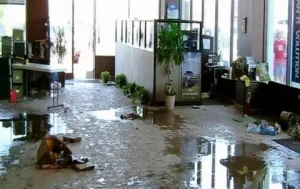
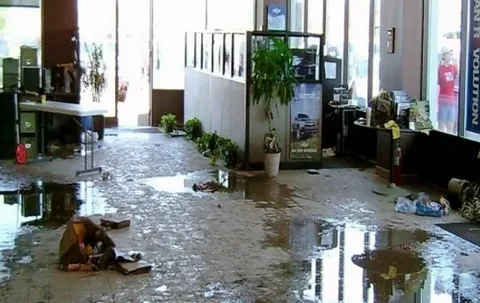
Water damage can create serious problems for homeowners and businesses. A leaking pipe, overflowing appliance, roof leak, or unexpected storm can affect walls, floors, ceilings, and personal belongings. Moreover, standing water can create conditions that encourage mold growth and unpleasant odors. Acting quickly helps reduce these risks and protects the structure of your property.
In El Paso, TX, changing weather conditions and plumbing problems can both contribute to unexpected water damage. Therefore, property owners need to understand the right recovery steps before a small issue becomes a larger repair project. Professional assistance can help identify hidden moisture, remove unwanted water, and restore affected areas.
Choosing First Relief means having a professional team to consider when dealing with property damage. Understanding the restoration process also helps property owners make informed decisions. From the initial inspection to the final repairs, every stage plays a role in successful recovery.
Reliable expert Water Restoration focuses on more than removing visible water. It also addresses moisture trapped behind walls, beneath flooring, and inside other building materials. With proper planning and timely action, property owners in El Paso and Horizon, TX, can work toward restoring safe and comfortable indoor spaces.
Understanding the Common Causes of Water Damage
Water damage can happen for several reasons. Some problems develop slowly, while others occur without warning. Identifying the source helps property owners choose the right recovery approach.
Common Sources of Indoor Water Damage
Plumbing failures remain a common cause of residential water damage. A damaged pipe, loose connection, or leaking water heater can release water into nearby areas. Additionally, washing machines, dishwashers, and refrigerators can develop leaks that affect surrounding floors and cabinets.
Roof problems can also allow water to enter a building. Damaged shingles, worn flashing, and clogged drainage systems may contribute to leaks during rainfall. Consequently, ceilings and wall cavities can collect moisture before anyone notices the problem.
Other common causes include:
- Burst or leaking water pipes.
- Overflowing sinks, bathtubs, and toilets.
- Appliance and water heater leaks.
- Roof leaks and damaged windows.
- Storm-related water intrusion.
- Poor drainage around foundations.
Why Finding the Source Matters
Removing visible water does not always solve the entire problem. Therefore, property owners should identify and address the original source before restoration work begins.
For example, drying a carpet without repairing the leaking pipe may lead to recurring damage. A proper inspection helps locate the source and determine which materials need attention.
Why Professional Water Restoration Matters
Water can spread beyond the area where a leak first appears. It may travel through flooring, insulation, drywall, and other building materials. As a result, visible damage often represents only part of the problem.
How Expert Water Restoration Protects Your Property
Professional reliable Water Restoration starts with a detailed assessment of the affected areas. Restoration specialists examine visible damage and look for moisture in less obvious locations. They may use moisture meters and other inspection equipment to understand how far the water has spread.
Furthermore, trained professionals select suitable drying methods based on the materials involved. Hardwood, carpet, drywall, and concrete each require different attention. Using the wrong approach may leave moisture behind or cause additional material damage.
Professional restoration generally includes:
- Inspecting affected rooms and materials.
- Identifying the source of water intrusion.
- Removing standing water.
- Setting up suitable drying equipment.
- Monitoring moisture levels.
- Planning necessary cleaning and repairs.
First Relief can be considered when property owners need professional guidance after unexpected water damage.
However, restoration requirements depend on the extent and type of damage. Therefore, an inspection should guide the recovery plan rather than relying on assumptions.
Emergency Water Restoration and Immediate Recovery Steps
Water damage requires prompt attention. Delays can allow moisture to spread and increase the amount of repair work. However, property owners should always consider safety before entering an affected area.
When to Arrange Emergency Water Restoration
Affordable Emergency Water Restoration service can help property owners respond to unexpected leaks, flooding, and other urgent water-related problems. Quick professional assessment helps determine the appropriate next steps.
If water is near electrical outlets, appliances, or electrical panels, avoid entering the affected area. Contact the appropriate utility professional when necessary. Also, stay away from areas where ceilings or floors appear unstable.
After confirming that the property is safe, consider these practical steps:
- Stop the water supply if you can do so safely.
- Keep children and pets away from affected rooms.
- Move unaffected belongings to a dry location.
- Take photographs of visible damage for insurance records.
- Contact a qualified restoration professional.
- Follow safety guidance during the recovery process.
Why Fast Action Makes a Difference
Water can continue spreading through porous materials even after the original leak stops. Therefore, early inspection and proper drying can help limit additional damage.
Moreover, professional monitoring helps determine whether affected materials have dried adequately. Simply opening windows or using household fans may not address moisture trapped inside walls or beneath flooring.
Residential Water Restoration for Homes in El Paso
A water-related problem can affect everyday household activities. Damaged flooring, wet carpets, and leaking ceilings may make certain rooms difficult to use. Therefore, homeowners should consider both immediate repairs and long-term property protection.
What Residential Water Restoration Involves
Professional Residential Water Restoration focuses on recovering areas affected by plumbing leaks, appliance failures, roof damage, and other water-related problems.
The process begins with an inspection. Specialists identify affected materials and determine which items may require cleaning, drying, or replacement.
The following practical considerations can help homeowners during recovery:
- Flooring: Check carpets, hardwood, laminate, and tile for moisture.
- Walls: Look for discoloration, bubbling paint, and damp drywall.
- Ceilings: Pay attention to stains and changes in surface condition.
- Furniture: Separate affected belongings from dry household items.
- Indoor air: Address lingering moisture and musty odors.
- Documentation: Keep photographs and records of restoration work.
Protecting Your Home After Restoration
Once the affected areas have dried, homeowners should address the original cause. For instance, repairing plumbing connections can help prevent another leak.
Additionally, inspect roofs, windows, and drainage systems periodically. These simple maintenance steps can reduce the likelihood of future water intrusion.
Understanding the Water Damage Restoration Process
Successful recovery requires more than removing water from a room. Each stage helps address a different part of the damage. Understanding these steps allows property owners to follow the work and ask informed questions.
Important Stages of Water Damage Restoration
Professional Water Damage Restoration in horizon-tx generally involves inspection, water removal, drying, cleaning, and necessary repairs.
The exact process depends on the source of water, affected materials, and the amount of moisture present.
Here are five practical stages:
Inspection and Assessment: Professionals examine affected rooms, locate moisture, and identify materials that require attention.
Water Extraction: Suitable equipment removes standing water from floors and other accessible areas.
Structural Drying: Air movers and dehumidifiers help remove moisture from affected materials.
Cleaning and Sanitizing: Appropriate cleaning methods address contamination and affected belongings. The required treatment depends on the water source.
Repairs and Final Checks: Damaged materials may need replacement. Moisture checks help confirm that drying goals have been achieved.
Why Proper Documentation Matters
Property owners should maintain photographs, receipts, inspection notes, and repair records. These documents may help when communicating with an insurance company.
Choosing the Right Restoration Support in El Paso and Horizon
Selecting a restoration provider is an important part of property recovery. A suitable professional should explain the inspection findings, recommended services, and expected restoration steps.
What to Look for in a Restoration Professional
Before choosing a service provider, consider these five practical points:
- Relevant Experience: Ask about experience with similar residential or commercial water damage.
- Clear Assessments: Request an explanation of the affected areas and proposed work.
- Proper Equipment: Check whether the provider uses suitable water extraction and drying equipment.
- Communication: Choose a team that explains progress and answers questions clearly.
- Documentation: Ask for written estimates, service details, and relevant records.
Supporting Property Owners Across Nearby Communities
Water damage can affect homes throughout El Paso and surrounding communities. Property owners in Horizon, TX, may also encounter plumbing leaks, roof problems, and unexpected water intrusion.
Therefore, local property owners should look for restoration support that understands their property requirements. A clear recovery plan can help reduce confusion and keep necessary repairs organized.
Additionally, ask whether the recommended work includes moisture monitoring and a final assessment. These details help property owners understand the condition of their buildings before returning affected spaces to normal use.
Conclusion
Water damage can disrupt household routines, damage building materials, and create additional maintenance concerns. However, taking the right steps early can make the recovery process more manageable. Identifying the source, assessing affected areas, removing standing water, and completing proper drying are essential parts of successful restoration.
Property owners should also remember that visible water does not always reveal the full extent of the problem. Moisture can remain inside walls, under flooring, and in other hidden spaces. Therefore, professional inspections and suitable drying methods can help address issues that basic cleaning may overlook.
For homeowners seeking reliable Water Damage Restoration in El Paso, TX, choosing an experienced service provider can make property recovery easier to manage. The same approach applies to residents in Horizon, TX, who need assistance understanding their restoration options.
Furthermore, regular plumbing inspections, roof maintenance, and proper drainage can help reduce future water-related problems. Keep photographs and repair records, and communicate with your insurance provider when necessary.
With professional guidance from First Relief, property owners can better understand the recovery process and make informed decisions about repairs. A careful approach helps protect building materials, restore comfortable living spaces, and support long-term property maintenance.
FAQs
What are the common signs of water damage in a home?
Common signs include ceiling stains, peeling paint, damp flooring, musty odors, warped materials, and visible moisture around walls or plumbing fixtures.
How quickly should I respond to water damage?
You should arrange an assessment as soon as possible. Prompt action can help limit moisture spread and reduce additional property damage.
What does professional water restoration include?
The process may include inspection, water extraction, structural drying, cleaning, moisture monitoring, and repairs to affected materials.
Can water damage cause mold problems?
Yes. Persistent moisture can create conditions that support mold growth. Proper drying and suitable cleaning help address this concern.
Does residential water restoration include structural repairs?
It can. Depending on the damage, restoration may involve replacing drywall, repairing flooring, addressing insulation, and restoring other affected building materials.