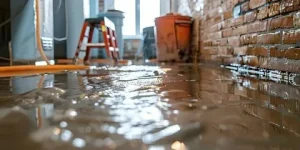
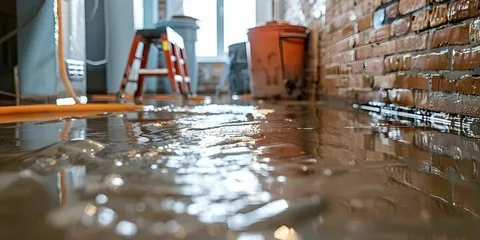
Water damage can disrupt your home or business without warning. A leaking pipe, damaged roof, overflowing appliance, or severe storm can quickly affect floors, walls, ceilings, and personal belongings. Even a small leak can create bigger problems when moisture remains hidden behind building materials. Therefore, taking action early helps limit property damage and reduces the chance of long-term issues.
Property owners need a clear plan when water enters their buildings. The right response includes identifying the source, removing standing water, drying affected areas, and checking materials for hidden moisture. Each step helps protect the property’s structure and supports a safer recovery.
In El Paso, TX, changing weather conditions, plumbing problems, and unexpected leaks can create different water damage challenges. Homeowners and business owners should understand what happens during restoration and why professional support matters. First Relief helps property owners understand their restoration needs and the steps involved in recovering from water damage.
A reliable restoration process focuses on more than removing visible water. It also addresses moisture, damaged materials, and possible contamination. With proper planning and timely attention, property owners can make informed decisions and move toward restoring their spaces.
Understanding the Importance of Water Restoration
Water damage often affects more than the areas that appear wet. Moisture can travel beneath flooring, enter drywall, and collect inside wall cavities. Consequently, visible cleanup alone may not solve the entire problem. A complete restoration approach identifies affected areas and addresses the underlying moisture.
How Water Damage Can Affect Your Property
Different water sources create different restoration needs. A clean-water supply line leak may require a different response than water from an overflowing drain. Therefore, identifying the source helps determine the appropriate cleanup process.
Water can cause several property problems:
- Structural damage: Prolonged moisture can weaken wood, drywall, and other building materials.
- Flooring problems: Water can affect carpets, laminate, hardwood, and tile installations.
- Electrical concerns: Moisture near electrical systems can create serious safety risks.
- Indoor air concerns: Damp materials may encourage mold growth when moisture remains.
- Property damage: Furniture, documents, equipment, and personal belongings may become affected.
Moreover, water damage can spread when property owners delay action. A small plumbing leak may gradually affect nearby rooms and materials.
Professional assessment helps determine the extent of the damage. It also provides a clearer understanding of which materials need drying, cleaning, or replacement.
How Professional Water Restoration Helps Recover Damaged Spaces
Restoring a property requires a systematic approach. Professionals first assess the affected areas and identify the source of moisture. Next, they develop a plan based on the water category, affected materials, and overall damage.
Why Expert Water Restoration Matters
Reliable expert Water Restoration begins with a proper inspection. Restoration professionals examine visible damage and check areas where moisture may remain hidden. They may use moisture meters and thermal imaging equipment to support their assessment.
The process generally includes several important stages:
- Initial inspection: Identify the water source and affected building materials.
- Water removal: Remove standing water using suitable extraction equipment.
- Moisture detection: Check walls, floors, and other materials for trapped moisture.
- Drying process: Use professional air movers and dehumidifiers when appropriate.
- Final assessment: Confirm drying progress and identify materials that need further attention.
Furthermore, technicians may recommend removing materials that cannot be safely restored. However, they should explain why replacement is necessary before work proceeds.
Clear communication also matters. Property owners should understand the expected work, possible complications, and estimated restoration timeline. This approach makes the recovery process easier to manage.
Emergency Water Restoration and Immediate Property Protection
Water damage sometimes requires immediate attention. A burst pipe, appliance failure, or sudden roof leak can release large amounts of water in a short period. Meanwhile, water may continue spreading through connected rooms and building materials.
Responding Quickly to Unexpected Water Damage
Reliable Emergency Water Restoration service focuses on controlling the situation and limiting additional damage. Property owners should first consider personal safety. Avoid entering flooded areas when electrical hazards or contaminated water may be present.
The following practical steps can help:
- Protect occupants: Keep children and pets away from affected areas.
- Address the water source: Shut off the supply only when it is safe to do so.
- Avoid electrical hazards: Never touch wet electrical equipment or switches.
- Document the damage: Take photographs from a safe location for insurance records.
- Contact restoration professionals: Arrange an assessment to determine the next steps.
Additionally, avoid using household fans or electrical equipment in flooded spaces until safety concerns have been addressed.
Water from sewage backups or outdoor flooding may contain harmful contaminants. Therefore, these situations require appropriate protective measures and specialized cleanup procedures.
Commercial Water Restoration for Business Properties
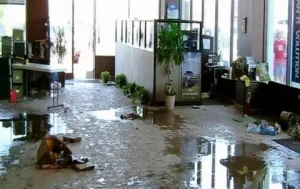
Water damage can create significant challenges for commercial properties. Offices, retail stores, restaurants, warehouses, and other facilities depend on functional spaces. Therefore, unexpected moisture can interrupt daily operations and affect employees, customers, equipment, and inventory.
Managing Water Damage in Commercial Buildings
Reliable Commercial Water Restoration in El Paso, TX considers the size, layout, and operational needs of a business property. A commercial building may contain multiple affected rooms, specialized equipment, and different flooring materials.
Restoration planning should consider these five practical points:
- Business priorities: Identify the areas that require attention first.
- Equipment protection: Assess computers, machinery, furniture, and inventory.
- Affected materials: Check ceilings, walls, floors, and insulation.
- Operational planning: Discuss possible work schedules and access restrictions.
- Recovery documentation: Maintain photographs, inspection notes, and relevant service records.
Moreover, commercial properties may require coordination between property managers, employees, contractors, and insurance representatives.
A structured restoration plan helps everyone understand their responsibilities. It also supports better decisions about temporary closures, repairs, and reopening.
However, businesses should never rush to reopen spaces with unresolved safety or moisture concerns. Proper assessment and drying should remain the priority.
Common Causes of Water Damage in El Paso Properties
Water damage can happen for several reasons. Some problems develop gradually, while others occur suddenly. Understanding common causes helps property owners recognize warning signs and take preventive action.
Problems That Can Lead to Expensive Repairs
In El Paso, property owners should pay attention to plumbing systems, roofing conditions, drainage, and appliances. Although every building has different risks, regular inspections can help identify problems before they become severe.
Consider these five common sources:
- Plumbing leaks: Worn connections, damaged pipes, and faulty fittings can release water inside walls or cabinets.
- Roof damage: Cracked roofing materials and damaged flashing may allow rainwater inside.
- Appliance failures: Washing machines, dishwashers, and water heaters can develop leaks.
- Drainage problems: Blocked drains and poor water flow can cause unwanted accumulation.
- Flooding incidents: Heavy rainfall and drainage issues may allow water to enter buildings.
Furthermore, property owners should inspect ceilings, plumbing fixtures, and areas beneath sinks regularly.
Look for water stains, peeling paint, unusual dampness, or musty odors. These signs may indicate a hidden moisture problem.
Taking photographs and keeping maintenance records can also help track recurring issues. Therefore, regular property maintenance plays an important role in reducing unexpected restoration needs.
Choosing the Right Water Restoration Approach
Every water damage situation requires an appropriate response. The right restoration plan depends on the water source, affected materials, building conditions, and extent of moisture.
What Property Owners Should Consider Before Restoration
A professional assessment helps establish realistic expectations. It also identifies which parts of the property need immediate attention and which materials may remain usable.
Keep these five considerations in mind:
- Experience: Look for professionals familiar with different types of water damage.
- Inspection methods: Ask how technicians identify moisture in hidden areas.
- Equipment: Confirm that suitable extraction and drying equipment is available.
- Communication: Request clear explanations of recommended work and expected progress.
- Documentation: Keep inspection findings, photographs, estimates, and repair records.
Additionally, property owners should ask whether the proposed work includes moisture monitoring and a final inspection.
First Relief recognizes that every property has different restoration requirements. Therefore, understanding the damage before starting repairs helps property owners make practical decisions.
A thorough approach also reduces the risk of overlooking damp materials. Instead of focusing only on visible damage, restoration should address the full affected area.
Conclusion
Water damage can affect a property’s structure, appearance, and everyday use. However, a timely and organized response can help property owners manage the situation more effectively. Identifying the source, removing standing water, drying affected materials, and assessing necessary repairs are all important parts of recovery.
Homeowners and business owners in El Paso should pay attention to warning signs such as water stains, damp flooring, peeling paint, and unusual odors. Moreover, regular plumbing and roof inspections can help identify potential problems before they become major concerns.
Choosing reliable Professional Water Restoration in Horizon, TX can help property owners understand the work involved and plan the recovery process. Similarly, residents in El Paso should consider the condition of affected materials and request a proper assessment before beginning repairs.
Every restoration project is different. Some properties need basic water removal and drying, while others require material replacement and additional cleaning. Therefore, professional guidance can help determine the most suitable approach.
Ultimately, protecting your property starts with recognizing water damage early and taking appropriate action. With clear communication, careful assessment, and proper restoration practices, property owners can work toward bringing their spaces back to a safe and functional condition.
FAQs
1. What does water restoration include?
Water restoration generally includes damage inspection, standing water removal, moisture detection, structural drying, cleaning, and necessary repairs.
2. How quickly should water damage be addressed?
Property owners should address water damage as soon as safely possible. Early attention can limit moisture spread and reduce additional damage.
3. What are the common signs of hidden water damage?
Common signs include musty odors, ceiling stains, peeling paint, damp flooring, and unexplained moisture around walls or cabinets.
4. Can water-damaged drywall be restored?
It depends on the extent of the damage, water source, and material condition. Some drywall may dry successfully, while severely damaged or contaminated sections may require replacement.
5. Does commercial water restoration differ from residential restoration?
Yes. Commercial projects often involve larger spaces, business equipment, inventory, and operational concerns. Therefore, restoration plans must consider the specific needs of the business.