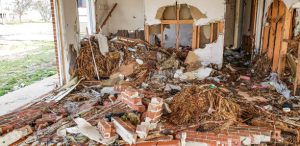

Dealing with flood damage in El Paso? Learn what professional emergency flood relief service includes and what to expect from day one.
A flood can change your life in a few hours. One minute you are watching the storm roll in, the next minute water is coming in through doors, windows, and sometimes right up from the floor. Furniture floats. Important papers get ruined. Family photos soak. The shock of seeing your home filled with water hits harder than most folks expect.
If you live in El Paso, you might think flooding is not a big risk because we live in the desert. The truth is the opposite. Desert soil does not absorb water well, so when monsoon storms hit, the water runs across the ground fast and pools in unexpected places. Homes near washes, low spots, or poor drainage areas can flood from a single heavy storm. The team at First Relief has helped families across El Paso through floods of every size, and we want to walk you through what professional emergency flood relief actually looks like when you call for help.
Why Time Matters More Than Anything After a Flood
The first 24 to 48 hours after a flood decide how bad the damage will be. Standing water keeps soaking into materials. Drywall wicks moisture upward into the studs. Subflooring swells and warps. Mold starts growing within a day in warm weather. Every hour you wait makes the recovery harder and the bill bigger.
A 2024 report from the National Flood Insurance Program found that flood damage claims handled within the first 24 hours averaged 38% less in repair costs than claims where homeowners waited two or more days. That gap comes from mold growth, secondary water damage, and materials that could have been saved with faster drying.
Have you ever stepped into a wet room and felt that thick, heavy air? That is the moisture already starting to spread. The faster a real crew can get there, the more you save.
What a Professional Flood Relief Crew Actually Does
A real flood relief service handles a long list of tasks that homeowners cannot manage alone with shop vacs and fans. Here is what the work involves:
Step 1: Emergency Response
A good crew can usually be on site within an hour or two of the first call, even at 3am during a major storm. The first job is to stop any active water flow if possible and protect the home from further damage. This might mean covering broken windows, placing tarps over roof damage, or shutting off main water supplies.
Step 2: Damage Assessment
Once the immediate danger is handled, the crew assesses what they are dealing with. They walk every room, take photos, and document the depth and spread of the water. Using moisture meters and thermal cameras, they map out exactly how far the water reached and where moisture is hiding in walls and floors. This documentation matters huge for insurance claims later.
Step 3: Water Extraction
The bulk water comes out first. Crews use truck-mounted pumps for big jobs and portable extractors for smaller ones. A flooded home with two inches of standing water can have thousands of gallons that need to come out fast. This work usually takes four to twelve hours depending on the size of the flood.
Step 4: Removing Damaged Materials
Some materials cannot be saved no matter how fast you dry them. Soaked carpet pad, wet drywall under 24 hours, soggy insulation, and warped baseboards usually get cut out and hauled away. Hardwood floors can sometimes be saved if dried fast, but laminate and engineered wood usually have to go.
Step 5: Drying and Dehumidifying
Once the bulk water and ruined materials are out, the real drying starts. Industrial dehumidifiers and air movers run 24 hours a day for three to seven days. The crew uses moisture meters to track progress, only declaring the area dry when readings drop below 16%. Cutting this step short is where amateur jobs fail.
Step 6: Mold Treatment
Even with fast drying, professional crews treat affected areas with antimicrobial cleaners. This prevents mold spores from taking hold during the rebuild. In El Paso’s dry climate, mold risk is lower than in humid areas but still real, especially in trapped wall cavities.

Step 7: Reconstruction
Once everything is dry and treated, the rebuild starts. New drywall, baseboards, flooring, paint, and any other materials that had to come out. This phase often takes the longest part of the project. The crew that handles Best flood victim relief services in El Paso, TX should be able to handle everything from extraction through full reconstruction.
A Look at Common Flood Relief Service Levels
Here is a side by side of what most homeowners need depending on the flood size:
| Flood Level | Typical Cost | Timeline | What It Covers |
| Minor flood (under 1 inch) | $2,000 – $6,000 | 3-5 days | Extraction, drying, minor repairs |
| Moderate flood (1-6 inches) | $6,000 – $20,000 | 1-3 weeks | Full drying, drywall replacement, flooring |
| Major flood (over 6 inches) | $20,000 – $80,000 | 3-8 weeks | Full reconstruction, possible structural work |
| Sewage backup | $5,000 – $30,000 | 2-4 weeks | Bio-hazard cleanup plus normal flood work |
Most flood claims in El Paso fall in the minor to moderate bracket. Major floods happen but are less common. Sewage backups are their own category because they require special handling for health reasons.
Working With Your Insurance Company
Most flood damage in El Paso requires flood insurance specifically, not just regular homeowners insurance. Standard policies usually exclude rising water from external sources. If you do have flood insurance through the NFIP or a private carrier, the relief crew can usually work directly with the adjuster.
A 2023 report from FEMA showed that only about 30% of homes in flood-prone areas actually carry flood insurance. The average uninsured flood claim cost homeowners $30,000 to $40,000 out of pocket. So checking your policy now matters more than most folks realize.
The relief crew documents everything for the claim. Photos of every room. Moisture readings. Itemized lists of damaged contents. Receipts for any temporary housing if your home is uninhabitable. This paperwork is what gets the insurance company to pay out fully.
A Story From an El Paso Job
We had a family in El Paso call us during a monsoon storm last August. Heavy rain had overwhelmed the drainage near their home. Water came in through the back patio doors and flooded the entire ground floor about three inches deep. The carpet was soaked. The drywall had wicked moisture about a foot up the walls. The wife was almost in tears when we showed up.
Our crew got there within 90 minutes. We pumped the standing water out, removed all the soaked carpet and pad, cut out the bottom two feet of drywall on every affected wall, and set up 14 dehumidifiers and 22 air movers throughout the house. The drying took five days. Reconstruction took another three weeks.
Their insurance covered most of it, around $32,000 total. The family told us afterward that the fast response was what kept the damage from being twice as bad. By treating mold growth before it started, we saved them from a much worse rebuild later.
What to Do While Waiting for the Crew
If you have just experienced a flood, here are the most important things to do in the first hour:
- Shut off electricity to flooded areas at the breaker if safe
- Do not walk through standing water if outlets or appliances are in it
- Take photos of everything before moving anything
- Move what you can to higher ground if safe
- Call your insurance company to start a claim
- Save receipts for any emergency expenses
Do not try to start extracting water with a shop vac if the flood is more than an inch or two. Shop vacs are not built for that volume and can cause electrical problems if used in deeply flooded areas. Wait for the crew with proper equipment.
How to Pick the Right Flood Relief Service
Not every restoration company handles flood damage well. Here is what to look for:
- 24/7 emergency availability
- IICRC certification, which is the industry standard for water damage work
- Direct billing with major insurance carriers
- Proper licensing and insurance for the crew
- Industrial equipment, not just consumer-grade fans
- References from other local El Paso flood jobs
- Clear written estimates with line items
Avoid companies that demand large cash deposits upfront before starting work. Real flood relief services work with insurance and only collect deductibles or out-of-pocket portions during or after the job.
Wrapping It Up
A flood is one of the worst things that can happen to a home, but a fast professional response makes a huge difference in what survives. Call a real emergency flood relief service within hours, not days. Document everything for insurance. Pick a crew with proper certifications and the right industrial equipment to handle real flood drying. The right team turns a disaster into a manageable repair, while the wrong choice can leave you with mold, structural damage, and a much bigger bill down the road. If you want help with Professional emergency flood relief service in El Paso, TX, our team is on call when you need us.
Frequently Asked Questions
How fast does a flood relief crew respond in El Paso?
Most professional services aim to be on site within 60 to 120 minutes after the first call, even during major storms. Faster response usually means less damage. Calling within the first hour after a flood typically saves 30% to 40% on total repair costs compared to waiting overnight.
Does homeowners insurance cover flood damage?
Standard homeowners insurance usually does not cover flooding from external sources like rising water or storm runoff. You need separate flood insurance through the NFIP or a private carrier for that coverage. Burst pipes and appliance leaks are usually covered under regular homeowners policies, but check your specific terms.
How long does flood drying take?
Most homes need three to seven days of industrial drying before reconstruction can start. Bigger floods or homes with deep saturation can need 10 days or more. Cutting this phase short is the biggest cause of mold problems later, so a good crew uses moisture meters to confirm the area is truly dry before moving on.
Can I stay in my home during flood restoration?
That depends on which rooms flooded and how bad the damage is. Minor floods in one area often let you stay in the rest of the home. Major floods affecting kitchens, multiple bedrooms, or HVAC systems usually mean moving out for a week or two. Insurance often covers temporary housing costs during the work.
What is the difference between flood damage and water damage?
Water damage usually means an internal source like a broken pipe or appliance leak. Flood damage usually means external water entering the home from storms, rising water, or overwhelmed drainage. The two are covered by different insurance policies and sometimes require different cleanup approaches, though the drying process is similar for both.
How fast does a flood relief crew respond in El Paso?
Most professional services aim to be on site within 60 to 120 minutes after the first call, even during major storms. Faster response usually means less damage. Calling within the first hour after a flood typically saves 30% to 40% on total repair costs compared to waiting overnight.
Does homeowners insurance cover flood damage?
Standard homeowners insurance usually does not cover flooding from external sources like rising water or storm runoff. You need separate flood insurance through the NFIP or a private carrier for that coverage. Burst pipes and appliance leaks are usually covered under regular homeowners policies, but check your specific terms.
How long does flood drying take?
Most homes need three to seven days of industrial drying before reconstruction can start. Bigger floods or homes with deep saturation can need 10 days or more. Cutting this phase short is the biggest cause of mold problems later, so a good crew uses moisture meters to confirm the area is truly dry before moving on.
Can I stay in my home during flood restoration?
That depends on which rooms flooded and how bad the damage is. Minor floods in one area often let you stay in the rest of the home. Major floods affecting kitchens, multiple bedrooms, or HVAC systems usually mean moving out for a week or two. Insurance often covers temporary housing costs during the work.
What is the difference between flood damage and water damage?
Water damage usually means an internal source like a broken pipe or appliance leak. Flood damage usually means external water entering the home from storms, rising water, or overwhelmed drainage. The two are covered by different insurance policies and sometimes require different cleanup approaches, though the drying process is similar for both.