Get fast, reliable flood recovery services in El Paso, TX. First Relief helps flood victims rebuild with expert restoration and relief support. Call now.
You wake up to water in your hallway, or you come home from work and the carpet squishes under your shoes. The storm rolled through last night and your neighborhood wasn’t ready. Now you’re standing in your living room wondering what to do first, who to call, and whether your insurance will cover any of it. That’s the moment most El Paso flood victims start searching for flood recovery services — not because they planned for this, but because they need help right now.
First Relief has been serving flood victims across El Paso County for years, and the calls we get are almost always the same. People want to know if their home can be saved, how long the process takes, and whether they’ll have to pay upfront before insurance reimburses them. This guide answers what our competitors won’t.
What Flood Recovery Services Actually Involve
Flood recovery services cover the full range of work needed to restore a property after water damage. This includes emergency water extraction, structural drying, mold prevention, content cleaning and storage, demolition of unsalvageable materials, reconstruction, and coordination with insurance adjusters. The scope depends on the flood source, the water category, how long the water sat, and the materials affected in your home.
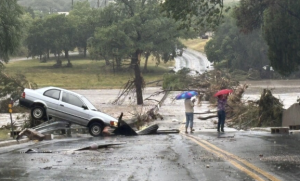
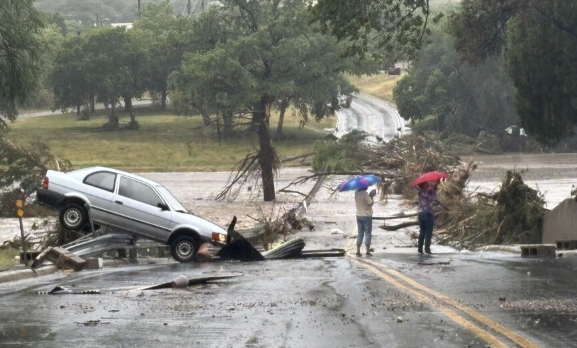
In El Paso, we’ve noticed that most homeowners assume flood recovery services are only for catastrophic events like the 2006 floods or major storm surges. That’s a dangerous misconception. Flash flooding in the Chihuahuan Desert is more common than people realize, and even a few inches of water from a backed-up arroyo or failed sump pump can destroy drywall, warp hardwood floors, and create mold colonies within 48 hours. First Relief responds to calls ranging from minor basement seepage to whole-house inundation, and we treat every situation with the same urgency.
The recovery process starts with assessment and safety: shutting off electrical systems, identifying structural hazards, and determining the water contamination level. Category 1 water comes from clean sources like supply lines. Category 2 is gray water from appliances or sump pumps. Category 3 is black water from sewage or outdoor Affordable flood recovery services in El Paso, TX, which requires full protective protocols and more extensive remediation. Then comes extraction, drying with industrial dehumidifiers and air movers, antimicrobial treatment, and reconstruction planning.
The Real Challenge in El Paso
El Paso sits in the Chihuahuan Desert at the foot of the Franklin Mountains, and that geography creates a specific flood challenge: intense, short-duration rainfall on hard, compacted desert soil that cannot absorb water quickly. The result is flash flooding through arroyos and streets that carries debris, sediment, and contaminants into homes. The desert heat then accelerates evaporation, which sounds helpful but actually drives moisture deeper into walls and subfloors before proper extraction can occur.
A client in El Paso reached out when monsoon rains sent water through their backyard arroyo and into their lower-level family room. They had mopped up the visible water themselves and thought the problem was solved. Three weeks later, mold appeared behind the baseboards and the drywall started bubbling. First Relief performed moisture mapping with thermal imaging, discovered elevated readings in the wall cavities and subfloor, removed the affected drywall two feet above the visible water line, dried the structure with desiccant dehumidifiers, and treated all surfaces with antimicrobial agents. The reconstruction matched their existing finishes and the mold never returned.
Here’s the objection most competitors ignore: not every Best flood recovery services in El Paso, TX home needs full gutting, but every flooded home needs proper drying verification. Some contractors push maximum demolition because it increases their billable hours. Others do minimal work and leave moisture trapped in wall cavities where mold grows unseen for months. Most articles won’t tell you this because it requires explaining the science of psychrometrics and moisture content, which doesn’t fit neatly into a sales pitch. First Relief uses moisture meters and thermal imaging to prove the structure is dry before we rebuild.
How First Relief Approaches It Differently
Most flood recovery companies in the El Paso area are franchises or storm-chasing operations that deploy crews from out of state after major events. They work fast, bill insurance directly, and move on to the next disaster zone. First Relief is different. We’re based in El Paso, we live here, and our reputation depends on every job we complete in this community. We don’t disappear when the news cameras leave.
We start every flood recovery project with a documented moisture assessment using calibrated equipment. We record baseline readings, establish drying goals, and share that data with you and your insurance adjuster. Our drying equipment runs on generator power if your electricity is compromised, and we monitor progress daily rather than setting machines and checking back in a week. If drying isn’t progressing as expected, we adjust our approach immediately rather than billing for extra days of ineffective equipment rental.
The insight generic articles never mention: your Residential flood recovery services in El Paso, TX insurance policy and your homeowner’s policy cover different things, and the distinction determines who pays for what. Standard homeowner’s insurance covers sudden water damage from burst pipes or appliance failures but excludes flood damage from external sources. The National Flood Insurance Program covers external flooding but has strict documentation requirements and coverage caps. First Relief helps clients navigate both policies, document damage properly for each claim type, and avoid the common pitfall of filing under the wrong policy and getting denied. Most restoration companies won’t touch this because it requires understanding insurance law, not just demolition.
Practical Tips: What to Know Before You Decide
Working with clients in El Paso, our team found that the biggest mistake flood victims make is waiting too long to call for professional help. The first 24 to 48 hours are critical. After that, mold starts growing, wood begins to warp, and metal fixtures begin to corrode. Insurance companies also view delayed response as negligence, which can reduce your claim payout. First Relief offers 24-hour emergency response because we know that waiting until morning can cost you thousands in additional damage.
Here’s a market-specific tip: if your home is in one of El Paso’s older neighborhoods near the Rio Grande or in the Lower Valley, check whether your property sits in a FEMA flood zone. Many homes in these areas were built before modern floodplain mapping and lack proper grading or drainage. First Relief includes grading and drainage assessment in our recovery planning because rebuilding without addressing the source means you’ll flood again. Most restoration companies fix the damage and leave the cause for you to figure out later.
Before you sign with any flood recovery contractor, verify three things: are they certified by the Institute of Inspection Cleaning and Restoration Certification? Do they carry general liability and pollution liability insurance? And will they provide a written estimate with line-item documentation for your insurance claim? Unlicensed operators frequently appear after major storms, take deposits, and disappear. First Relief is IICRC certified, fully insured, and provides detailed documentation that satisfies both homeowners and adjusters.
Why El Paso Flood Victims Trust First Relief
The benefits of working with a local flood recovery services in El Paso, TX service go beyond the immediate cleanup. You get a team that understands El Paso’s building codes, soil conditions, and climate challenges. You get someone who knows which materials hold up in desert heat and which ones fail. And you get a company that will still be here six months later if something isn’t right.
First Relief has helped flood victims from the Upper Valley to the Eastside, from Horizon City to Socorro. The feedback we hear most often is that clients appreciate the human connection. We don’t treat you like a claim number. We explain every step, answer your calls at night, and fight for your insurance coverage when adjusters try to lowball the scope of work. Our crews live in this community, and we treat your home like we would treat our own.
If you need flood recovery services in El Paso, TX, don’t wait for the damage to get worse. First Relief offers free damage assessments and emergency response around the clock. We’ll evaluate your situation, explain your options, document everything for insurance, and start the recovery process immediately. Call us or reach out through our site to get help now.
Frequently Asked Questions
How much do flood recovery services cost in El Paso, TX?
Costs vary widely based on damage extent, water contamination level, and square footage affected. Minor cleanups may run $2,000 to $5,000. Major restoration with reconstruction can reach $20,000 to $50,000 or more. First Relief provides detailed written estimates and works directly with your insurance to minimize out-of-pocket costs.
How do I know First Relief is a legitimate restoration company?
Verify our IICRC certification, Texas contractor license, and insurance coverage. We carry general liability and pollution liability insurance, provide written warranties on our work, and encourage you to check our local references from El Paso flood victims we’ve helped. A reputable company welcomes scrutiny.
How long does flood recovery take?
Emergency water extraction and initial drying typically take 3 to 5 days. Full restoration including reconstruction may take 2 to 8 weeks depending on damage severity and material availability. First Relief provides a realistic timeline upfront and communicates daily progress so you know what to expect.
Will my insurance cover flood damage?
It depends on your policy type. Standard homeowner’s insurance covers internal water damage but not external flooding. The National Flood Insurance Program covers external flood damage if you have a policy. First Relief helps you determine coverage, document damage correctly, and file claims under the appropriate policy to maximize your payout.
What should I do immediately after flooding?
Ensure safety first: turn off electricity if water reached outlets, avoid contaminated water, and evacuate if structural damage is suspected. Then call First Relief for emergency extraction. Document damage with photos before moving anything. Save receipts for emergency purchases. Speed matters for both your home and your insurance claim.