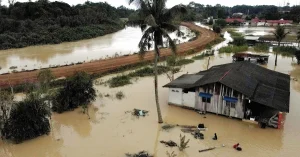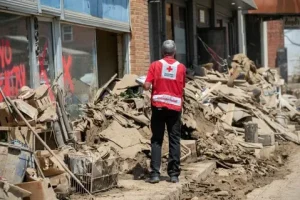
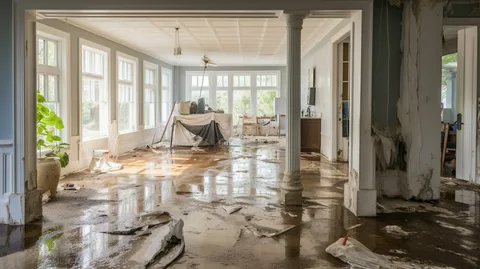
Floodwater can enter a home quickly and leave moisture hidden inside flooring, drywall, cabinets, and wall cavities. First Relief provides Flood Recovery Services for El Paso property owners dealing with water after storms, plumbing failures, appliance leaks, or other unexpected events. Acting quickly helps limit damage and gives wet building materials a better chance to dry properly. Professional recovery can include water extraction, moisture checks, controlled drying, damaged-material removal, cleaning, and preparation for repairs. The right response depends on where the water came from, how far it spread, and how long materials remained wet. A careful inspection helps determine what can stay and what needs removal.
Why Fast Flood Damage Restoration Matters
Standing water creates more problems the longer it remains inside a property. Water can move beneath flooring, soak drywall, enter insulation, and reach areas that appear dry from the surface. Would you know how much moisture remains behind a wall after the visible water disappears?
The U.S. Environmental Protection Agency states that wet materials can develop mold when they remain damp for more than 24 to 48 hours. For that reason, emergency flood cleanup should focus on removing standing water and starting controlled drying as soon as conditions allow.
Floodwater may contain sewage, microorganisms, chemicals, or debris depending on its source. EPA guidance advises homeowners to treat flood cleanup carefully and use suitable personal protective equipment when entering affected areas.
How Professional Flood Cleanup Services Work
Recovery starts with a property assessment. Technicians locate affected rooms, identify the water source, check safety concerns, and determine how far moisture has travelled. Moisture meters can help find water inside drywall, wood, flooring, and other materials.
Emergency water extraction comes next when standing water remains. Professional extraction equipment removes large amounts of water before drying equipment begins working. Flood water removal services may cover carpets, hard floors, wall edges, basements, and other affected spaces.
Crews then assess porous materials. Drywall, insulation, carpet padding, and some furnishings may need removal when contamination or prolonged moisture makes safe cleaning impractical. Hard surfaces may often be cleaned and dried when their condition permits.
Drying equipment targets moisture that extraction alone cannot remove. Air movers and dehumidifiers can help lower moisture levels in affected building materials. EPA flood guidance recommends drying the home and its contents within 24 to 48 hours when possible.
A flood restoration company in El Paso, TX should keep checking moisture during this stage rather than deciding that a room is dry based only on appearance.
Water Extraction and Property Drying
Good flood damage restoration in Horizon TX goes beyond removing puddles. Water often spreads sideways under flooring and enters small gaps between construction materials. A room may look normal yet remain damp underneath.
For example, an El Paso homeowner may find water covering a hallway after a supply line breaks. The visible water can be extracted quickly, but moisture may have reached the baseboards, lower drywall, and flooring beneath nearby rooms. Testing those areas can reveal the actual boundaries of the damage.
Companies such as First Relief that handle residential flood restoration can coordinate extraction, drying, cleanup, and damage assessment within one recovery plan. This approach helps property owners understand which materials may be saved and which require replacement.
The EPA recommends contacting your insurance company and photographing damaged property before cleanup begins when circumstances permit. Clear photos, moisture records, and repair documentation can make the damage easier to explain during an insurance claim.
What Affects Flood Recovery Costs?
No single price applies to every flooded home. The amount of water, affected square footage, contamination level, drying time, damaged materials, and required repairs can all change the final cost.
A small clean-water incident contained to one room will usually require less work than a flooded basement cleanup involving drywall, insulation, flooring, and personal belongings. Sewage-contaminated water can require more extensive removal and cleaning procedures.
Emergency response timing can affect the scope too. Water left inside porous materials for an extended period may lead to more demolition and replacement. Fast water extraction services in El Paso, TX may help reduce how far moisture spreads through absorbent materials.
Ask for a written estimate after the property has been inspected. It should explain extraction, equipment use, drying, material removal, cleaning, monitoring, and other expected work rather than presenting one unexplained total.
Choosing a Flood Restoration Company in El Paso
Look for a company that evaluates moisture rather than focusing only on visible standing water. Ask how technicians identify hidden wet areas, document drying progress, handle contaminated materials, and decide when structural materials have reached acceptable moisture levels.
Safety procedures matter during flooded home cleanup. Electrical systems, unstable materials, contaminated water, and mold can make some areas unsafe for homeowners to enter. EPA guidance warns against touching electrical equipment when it is wet or when you are standing in water.
A company focused on flood recovery, such as First Relief, can bring extraction equipment, moisture testing tools, drying equipment, and property cleanup procedures that a general repair service may not routinely use.
FAQ’s
How quickly should flood cleanup begin in El Paso, TX?
Cleanup should begin as soon as the property is safe to enter. EPA guidance recommends drying wet areas and materials within 24 to 48 hours when possible because extended moisture can support mold growth.
What do Flood Recovery Services include?
Services can include inspection, standing-water extraction, moisture detection, drying, dehumidification, damaged-material removal, surface cleaning, and monitoring. The exact work depends on the water source and extent of damage.
Can soaked drywall be saved after flooding?
It depends on contamination, exposure time, and material condition. Porous drywall that stays wet or contacts contaminated floodwater may need removal. Technicians can inspect moisture levels before deciding.
How much does flood damage restoration cost in El Paso?
Pricing depends on the affected area, water category, extraction needs, drying time, damaged materials, and repairs. An on-site assessment gives a more useful estimate than a general online price range.
Does homeowners insurance cover flood cleanup services?
Coverage depends on the source of the water and your policy. Damage from a sudden indoor plumbing problem may receive different treatment from natural flooding. Contact your insurer quickly and document damage before major cleanup when safe.
Conclusion
Water damage requires more than removing what you can see. A complete recovery plan should identify hidden moisture, remove standing water, dry affected materials, address contamination, and document the condition of the property. If your El Paso home has suffered water damage, contact First Relief to discuss the affected areas and the next practical steps. Prompt assessment can help determine what can be dried, what may need removal, and how the property can move toward safe repairs.