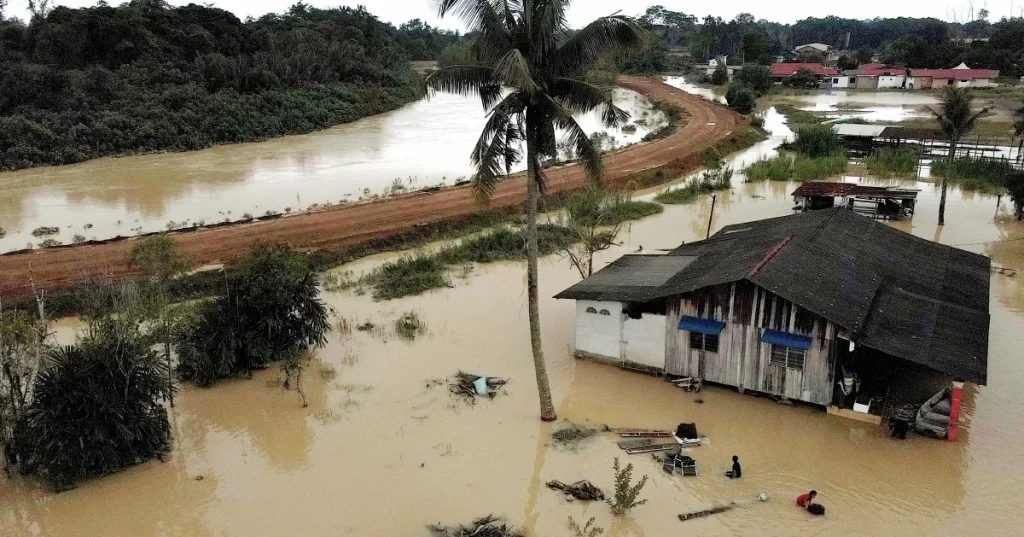
Find practical Flood Victim Relief Service guidance in El Paso, TX for water removal, drying, safety, documentation, recovery planning, and restoration.
Flooding can disrupt a home or business quickly, leaving standing water, wet materials, damaged belongings, and uncertainty about what to do first. A Flood Victim Relief Service helps organize the response by focusing on safety, water removal, moisture control, documentation, and recovery planning. First Relief provides flood-related support for property owners in El Paso and Horizon, helping connect affected families and businesses with recovery resources and restoration professionals. The goal is to move from an emergency situation toward a clear plan that protects people, limits further property damage, and supports a more organized recovery.
The right response depends on where the water came from, how far it spread, which materials were affected, and whether electrical or structural hazards are present. Water can move under flooring, behind walls, into cabinets, and through insulation even when the visible puddle seems limited. For that reason, flood recovery should not be based only on what can be seen from the doorway. A careful assessment, prompt extraction, controlled drying, and regular moisture checks can help determine what can be saved and what may need removal.
Start With Safety Before Cleanup
The first priority after flooding is deciding whether the affected area is safe to enter. Standing water can hide electrical hazards, unstable flooring, sharp debris, contamination, or weakened building materials. If water has reached outlets, appliances, electrical panels, or wiring, homeowners should avoid touching electrical equipment or walking through the area until the conditions have been evaluated. If the source is sewage, outside floodwater, or another potentially contaminated source, direct contact should also be avoided.
Before cleanup begins, identify whether the water source is still active. A broken supply line, leaking appliance, roof opening, or drainage problem may continue adding water to the property. Stopping the source, when it can be done safely, prevents restoration work from being undone. Once the immediate hazard is controlled, the next steps can focus on documenting conditions, removing standing water, and determining how much of the building has been affected.
What Flood Victim Relief Service Includes
A professional Flood Victim Relief Service can involve several stages rather than one cleanup task. The live First Relief service page describes flood cleanup, water extraction, debris removal, structural drying, property stabilization, repairs, rebuilding, and finishing work when needed. The exact sequence depends on the condition of the property, but the process usually begins with an assessment of visible water, affected materials, safety concerns, and areas where moisture may have traveled.
Water extraction removes standing water so that drying can begin. After extraction, moisture may still remain inside drywall, insulation, subflooring, carpet padding, cabinets, wood framing, and other porous materials. Drying equipment and moisture testing help determine whether these areas are improving or whether damaged materials need to be removed. Cleaning and restoration decisions come after the extent of moisture has been understood.
Document Conditions Before Major Changes
Photographs and written records can help with insurance communication, restoration planning, and personal organization. When it is safe to enter, take wide photos of every affected room and closer photos of damaged flooring, walls, furniture, appliances, cabinets, and personal belongings. Record the approximate water level if visible marks remain on walls or furniture. Photograph the suspected source when possible.
Keep receipts for temporary supplies, lodging, cleanup materials, transportation, meals, and other flood-related expenses. Save emails, estimates, claim information, and notes from conversations in one folder.
For households seeking emergency flood assistance in El Paso, TX, organized documentation can make it easier to explain what happened and what help is currently needed.
Water Extraction Is Only the Beginning
Removing visible water is important, but extraction alone does not mean a building is dry.
Professional extraction equipment is designed to remove larger volumes of water efficiently. Afterward, air movement and dehumidification can help reduce moisture that remains in building materials. Moisture meters or other testing methods are useful because appearance alone cannot confirm that concealed areas are dry.
A good recovery plan continues monitoring rather than placing drying equipment and assuming the job is finished. Readings should improve over time, and materials that remain saturated or contaminated may need a different approach.
Understand the Water Source
The source of the water affects cleanup decisions. A clean supply-line break is different from stormwater entering from outside, and both are different from sewage contamination. The amount of time water has been present also matters because conditions can change as materials remain wet.
Homeowners should tell restoration professionals what they know about the source, when flooding was discovered, and whether electricity or utilities were affected. If the source is uncertain, that uncertainty should be part of the assessment rather than ignored.
Porous materials may be more difficult to safely restore when exposed to contaminated water. Carpeting, padding, insulation, drywall, upholstery, and some composite materials can absorb water deeply. Hard, nonporous surfaces may often be easier to clean and dry, depending on their condition.
Drying the Structure Properly
Structural drying focuses on reducing moisture in the building rather than simply drying visible surfaces. Air movers help circulate air across wet materials, while dehumidifiers remove moisture from the air. The setup should match the size and condition of the affected area.
Cabinets, wall cavities, flooring assemblies, and other enclosed areas can slow drying. In some cases, selected materials may need to be opened or removed so trapped moisture can be reached. This decision should be based on the material condition, contamination, and moisture readings.
Temperature, humidity, ventilation, and the type of material all influence drying time.
Protect Belongings During Recovery
Flooding often affects personal property at the same time as the building. Furniture, documents, photographs, electronics, clothing, rugs, and stored items may need to be sorted. Separate clearly damaged items from belongings that appear recoverable, but avoid throwing everything away before documentation and insurance requirements are understood.
Move unaffected belongings away from wet areas when it can be done safely. Wet cardboard boxes can collapse, so contents may need to be transferred into dry containers. Important papers should be handled carefully because wet documents can tear easily.
For valuable or sentimental belongings, ask whether specialized cleaning or restoration is appropriate before making a disposal decision. Not every item can be saved, but early organization can help prevent additional damage caused by prolonged moisture exposure.
Recovery Planning for Horizon Properties
Property owners looking for flood recovery support in Horizon, TX should think beyond the first day of water removal. First Relief’s Horizon page describes emergency flood relief, water extraction, structural drying, flood cleanup, and restoration support for homes and businesses. Recovery may continue through drying, damaged-material removal, repairs, and final finishing depending on the extent of the loss.
A useful way to stay organized is to divide the project into phases: emergency safety, extraction, moisture assessment, drying, cleaning, repair planning, and reconstruction when necessary. Each phase should have a clear purpose. Moving ahead before the previous phase is understood can lead to rework.
Commercial properties may also need to consider access, inventory, equipment, employee safety, and business operations. Residential properties may place more emphasis on temporary living arrangements and protection of personal belongings. The technical principles of moisture control remain similar, but recovery priorities can differ.
When Materials May Need Removal
Not every wet material must automatically be discarded, and not every material can be saved. The decision depends on contamination, physical damage, how long the material remained wet, and whether it can be dried effectively.
Drywall may lose strength or deteriorate after prolonged saturation. Insulation can hold moisture in wall cavities. Carpet padding may be difficult to clean depending on the water source.
Removal should be targeted rather than random. The purpose is to eliminate materials that cannot be safely restored and create access to wet areas that need drying. Removing more than necessary can increase repair work, while removing too little can leave damaged or damp materials behind.
Avoid Common Flood Recovery Mistakes
One common mistake is waiting for visible water to disappear before taking action. Moisture can keep spreading through absorbent materials after the main puddle is gone. Another mistake is using household fans without understanding where the moisture is trapped. Surface airflow may not reach water beneath flooring or inside walls.
Homeowners should also avoid covering damp materials with new finishes. Installing flooring, paint, drywall, or trim before moisture conditions are appropriate can trap water and create future problems. Drying and verification should come before cosmetic repair.
Another mistake is assuming that odor alone proves a building is dry or contaminated. Odors can have many sources, and moisture can exist without a strong smell. Decisions should be based on inspection, material condition, and moisture information rather than guesswork.
Insurance and Contractor Communication
Flood recovery often involves several people, including insurers, restoration professionals, plumbers, electricians, and repair contractors. Clear communication helps keep responsibilities from becoming confused. Ask for written scopes of work and make sure you understand what is included before authorizing major repairs.
Keep copies of estimates, invoices, photographs, and change orders. If a contractor discovers additional damage after work begins, ask how that changes the scope, schedule, and cost before proceeding when possible.
Insurance coverage varies by policy and source of water, so homeowners should verify requirements directly with their insurer. Avoid assuming that a neighbor’s claim will be handled the same way. The strongest approach is to document the loss carefully and ask specific questions about required inspections, approvals, and records.
Conclusion
Flood recovery is most effective when it follows a clear order. Safety comes first, followed by stopping the source when possible, documenting conditions, removing standing water, checking hidden moisture, drying affected materials, and deciding what can be restored. Repairs should begin only after the building conditions are understood well enough to avoid trapping moisture behind new finishes.
First Relief provides flood-related support for El Paso and Horizon property owners and connects affected people with recovery resources and restoration professionals. A thoughtful response can reduce confusion and help families or businesses focus on the right task at the right time. Accurate documentation, careful moisture control, clear contractor communication, and realistic repair planning all contribute to a more manageable recovery after unexpected flooding.
Frequently Asked Questions
1. What should I do first after flooding?
Make sure the area is safe before entering. Avoid standing water near electrical equipment, identify whether the water source is still active, and follow emergency or utility instructions when hazards are present. Once conditions are safe, begin documenting damage and arranging water removal.
2. What does Flood Victim Relief Service usually involve?
It can include damage assessment, standing-water extraction, moisture checks, structural drying, debris removal, cleaning, property stabilization, and coordination of repairs or rebuilding when needed. The exact work depends on the source, extent, and duration of the flooding.
3. Why does moisture testing matter after water extraction?
Building materials can remain wet after visible water has been removed. Moisture testing helps identify water inside walls, flooring, cabinets, insulation, and other concealed areas so drying decisions are based on actual conditions rather than appearance alone.
4. Can all wet materials be dried and saved?
No. Some materials may be restorable, while others may require removal because of contamination, swelling, deterioration, or prolonged saturation. The decision depends on the material, water source, damage level, and whether effective drying is possible.
5. When should repairs begin after a flood?
Repairs should begin after the affected areas have been evaluated and moisture conditions are appropriate for rebuilding. Installing new finishes over damp materials can trap moisture and create future problems, so drying and verification should come first.
6. How can I stay organized during flood recovery?
Keep photos, receipts, estimates, claim information, contact details, moisture records, and contractor documents together. Divide recovery into stages such as safety, extraction, drying, cleaning, and repairs so each step has a clear purpose and progress can be tracked.