A house fire can disrupt daily life in minutes. Even a small fire can affect walls, ceilings, furniture, electrical systems, and personal belongings. After the flames go out, homeowners may still face smoke residue, lingering odors, and water damage from firefighting efforts. Therefore, understanding the recovery process helps families make informed decisions and avoid further property damage.
Reliable Fire Restoration support helps homeowners assess the damage, address safety concerns, and plan the necessary repairs. The process may involve removing damaged materials, cleaning affected surfaces, drying wet areas, and restoring rooms to a usable condition. However, every fire creates a different set of challenges. The right approach depends on the fire’s size, the materials involved, and the condition of the property.
In El Paso, TX, homeowners should also consider how dust, dry weather, and temperature changes may affect damaged areas during recovery. For example, smoke residue can settle into porous materials, while moisture from firefighting can create additional problems if professionals overlook it. Consequently, a careful inspection should guide every restoration decision.
First Relief helps homeowners understand the steps involved in recovering from fire damage. Learning what to expect can make the process less overwhelming. Moreover, knowing which areas require professional attention can help protect the property and support a more organized return to everyday life.
Understanding Fire Damage in Residential Properties
Fire damage extends beyond the areas directly touched by flames. Heat, smoke, soot, and water can affect several rooms, even when the fire remains limited to one part of a house. Therefore, homeowners should arrange a thorough assessment before beginning cleanup or repairs.
How Fire Affects Different Parts of a Home
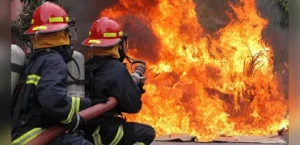
High temperatures can damage drywall, flooring, insulation, and structural components. Meanwhile, smoke travels through hallways, ventilation systems, and small openings. Soot may settle on cabinets, windows, upholstery, and other surfaces. These deposits can stain materials and leave persistent odors.
Water presents another challenge. Firefighters often use water to control flames, which can soak carpets, wall cavities, and wooden structures. If moisture remains trapped, it may contribute to mold growth and further deterioration. Consequently, a complete inspection should evaluate both fire-related and water-related damage.
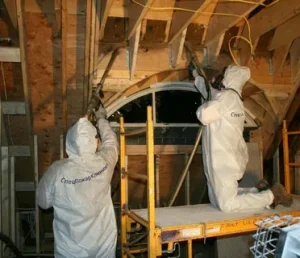
Professional Fire Restoration begins with identifying visible and hidden problems. Specialists may inspect the roof, ceilings, electrical components, and ventilation systems. They also determine which belongings can be cleaned and which materials require replacement.
Why an Initial Safety Assessment Matters
Homeowners should avoid entering areas with structural damage, exposed wiring, or lingering smoke. In addition, damaged gas lines and weakened ceilings may create serious hazards. Follow emergency officials’ instructions and wait for clearance before reentering the property.
A qualified restoration team can help identify areas that need further evaluation. However, licensed electricians, structural professionals, and other specialists may need to handle specific repairs. This coordinated approach helps establish a safer foundation for the recovery process.
Steps Involved in Residential Fire Restoration
A successful recovery plan follows a clear sequence. Although each property requires a different approach, professionals generally begin with safety and assessment before moving toward cleaning, drying, and rebuilding.
Planning Reliable Fire Restoration for El Paso Homes
Reliable Fire Restoration requires a property-specific plan rather than a standard checklist applied to every house. Professionals evaluate the extent of the damage, identify affected materials, and establish which tasks need immediate attention.
The process commonly includes these five practical steps:
- Safety inspection: Identify structural, electrical, and environmental hazards before starting work.
- Damage documentation: Photograph affected rooms, belongings, and visible damage for insurance records.
- Water removal: Extract standing water and address moisture caused by firefighting.
- Smoke and soot cleaning: Select suitable methods for the affected surfaces and materials.
- Repair planning: Determine which components need cleaning, restoration, or replacement.
Furthermore, homeowners should ask how the team will protect unaffected rooms during the work. Containing debris and controlling dust can reduce the spread of soot into cleaner areas.
Setting Realistic Recovery Expectations
Some surfaces respond well to professional cleaning, while others may need replacement. For example, smoke-damaged drywall might require removal if contamination penetrates the material. In contrast, certain furniture items may be recoverable with suitable cleaning methods.
The schedule also depends on material availability, inspection results, insurance approvals, and the amount of reconstruction required. Therefore, homeowners should request regular updates and a written outline of the next steps.
Managing Smoke, Soot, and Lingering Odors
Smoke can affect a home long after the visible flames disappear. Fine particles may settle on surfaces, enter porous materials, and spread through ventilation systems. As a result, removing visible soot alone may not resolve the entire problem.
Effective Fire Cleanup and Restoration Methods
Professional fire cleanup and restoration service addresses the residue and contamination left behind by a fire. The appropriate method depends on the material, the type of residue, and the extent of exposure.
These five practical considerations help guide the process:
- Identify the residue: Different fires produce different soot deposits that require suitable cleaning methods.
- Protect clean areas: Isolate affected rooms to limit the spread of dust and debris.
- Choose appropriate products: Use cleaning agents designed for the specific surface and residue.
- Evaluate porous materials: Assess insulation, upholstery, and drywall for contamination that cleaning may not remove.
- Check ventilation systems: Arrange an appropriate inspection when smoke may have entered ducts or air-handling equipment.
Homeowners should avoid scrubbing soot-covered surfaces without guidance. The wrong technique can spread residue or push it deeper into materials.
Understanding Smoke Damage and Odor Removal
Smoke odors may remain in fabrics, carpets, cabinets, and wall cavities. Therefore, effective treatment often requires cleaning contaminated surfaces and addressing the source of the smell. Masking odors with fragrances rarely solves the underlying issue.
Protecting Belongings and Preventing Further Damage
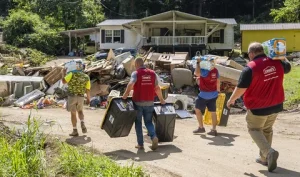
After a fire, homeowners often want to save as many possessions as possible. However, moving or cleaning damaged belongings without a plan can spread soot and complicate insurance documentation. A careful approach helps protect recoverable items and identify materials that require professional attention.
Practical Steps for Salvaging Personal Items
Before handling affected belongings, homeowners should consider these five actions:
- Document possessions: Photograph damaged furniture, electronics, clothing, and household items.
- Separate affected items: Keep contaminated belongings away from unaffected possessions when it is safe to do so.
- Avoid unnecessary cleaning: Wait for professional guidance before treating delicate fabrics, artwork, or electronics.
- Keep purchase records: Save receipts, warranties, and available proof of ownership for insurance purposes.
- Track restoration decisions: Record which items professionals recommend cleaning, repairing, or replacing.
These measures can make discussions with insurance representatives more organized. Additionally, they help homeowners keep track of items throughout the recovery process.
Addressing Water and Moisture After a Fire
Firefighting water can soak materials that appear undamaged at first glance. Therefore, professionals should inspect affected rooms for hidden moisture and establish an appropriate drying plan.
Moisture meters and other inspection tools can help identify damp areas within certain materials. Meanwhile, damaged insulation and other porous components may need removal if they cannot be dried or cleaned safely.
Homeowners should not switch on wet electrical equipment or attempt repairs around exposed wiring. Instead, arrange inspections with qualified professionals before restoring power or using affected appliances.
Choosing Professional Restoration Services
Selecting a restoration provider involves more than comparing estimates. Homeowners should understand the proposed work, the company’s experience with residential fire damage, and the qualifications needed for specialized repairs.
What to Look for in Fire Restoration Services
Reliable fire restoration services should begin with an assessment and a clear explanation of the recommended work. A written scope helps homeowners understand what the estimate covers and which tasks may require separate contractors.
Consider these five practical points when evaluating providers:
- Relevant experience: Ask about previous residential fire damage projects and similar restoration challenges.
- Written estimates: Request a clear breakdown of cleaning, drying, repairs, and reconstruction.
- Safety procedures: Confirm how the team handles contaminated materials and protects unaffected spaces.
- Insurance coordination: Ask whether the provider can supply photographs, itemized estimates, and supporting documentation.
- Progress updates: Establish how the company will communicate changes, delays, and unexpected findings.
Additionally, verify any required local licenses, insurance coverage, and professional credentials. Requirements vary according to the type of work, so homeowners should confirm the qualifications needed for electrical, structural, and other specialized repairs.
Questions to Ask Before Work Begins
Ask which materials the team expects to salvage and which may require replacement. Also, clarify how the provider will address lingering odors and check for hidden moisture.
Homeowners should request details about the schedule, payment terms, and procedures for approving additional work. A trustworthy provider should explain uncertainties rather than promise results before inspecting the property.
First Relief can help homeowners understand the restoration process and the practical considerations involved in recovering from fire damage. Clear communication allows families to make informed decisions throughout the project.
Conclusion:
Recovering from a house fire takes careful planning, patience, and attention to safety. Flames may cause the most visible damage, but smoke, soot, and firefighting water can create additional problems throughout a property. Therefore, homeowners should arrange a complete inspection before deciding which areas need cleaning, drying, or reconstruction.
The first priority is to follow emergency officials’ instructions and avoid unsafe areas. Next, document the damage, contact your insurance provider, and organize the information needed to support your claim. Meanwhile, a qualified restoration professional can assess affected materials and recommend suitable recovery methods.
Homeowners should also remember that not every damaged item requires replacement. Some belongings and surfaces may be recoverable with the right treatment. However, materials with deep contamination or structural damage may need more extensive work. A careful assessment helps distinguish between these situations.
For homeowners seeking reliable smoke and fire damage restoration in El Paso, TX, choosing a provider that communicates clearly and explains each stage can make the process easier to manage. Ask questions, review written estimates, and confirm the qualifications required for specialized repairs before approving the work.
Ultimately, a well-organized recovery plan addresses immediate hazards, limits further damage, and supports the long-term condition of the home. With appropriate inspections and professional guidance, homeowners can move forward with greater confidence and make informed decisions about restoring their living spaces.
FAQs
What should I do immediately after a house fire?
Follow emergency officials’ instructions and do not enter the property until authorities confirm it is safe. Contact your insurance provider and document visible damage when access is permitted.
How long does residential fire restoration take?
The timeline depends on the fire’s severity, water damage, cleaning needs, and repairs. Minor projects may take days, while extensive reconstruction can take weeks or longer.
Can smoke odors be removed from a fire-damaged home?
Yes, in many cases. Professionals identify contaminated materials, clean affected surfaces, and use suitable odor-control methods. Severely affected porous materials may require replacement.
Does fire restoration include water damage?
It often includes assessing and addressing water from firefighting efforts. However, the exact scope depends on the property and the services listed in the restoration agreement.
Will homeowners insurance cover fire restoration?
Many homeowners policies cover certain types of accidental fire damage, subject to policy terms, exclusions, deductibles, and limits. Contact your insurer to confirm your coverage and documentation requirements.