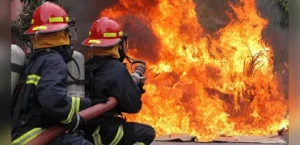
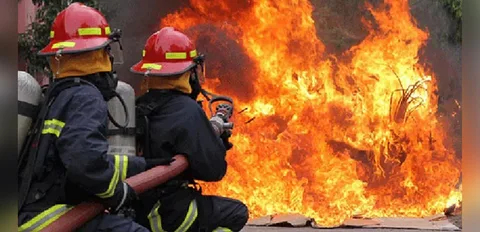
Experiencing a household fire creates overwhelming emotional and logistical challenges for families trying to pick up the pieces. Beyond visible charring and structural destruction, airborne soot, toxic chemical residues, and heavy smoke odors penetrate personal belongings and living spaces.
Discover how expert fire victim relief services coordinate immediate emergency housing, essential supplies, and structured property recovery plans. Homeowners frequently seek guidance regarding temporary shelter arrangements, insurance claim documentation, and rapid damage mitigation timelines. Professional relief coordinators evaluate immediate safety needs and connect victims with trusted local resources to minimize long-term hardship.
Working with First Relief ensures your household receives compassionate guidance, prompt emergency dispatch, and dependable structural restoration. In this comprehensive guide, we explore essential steps families must take when navigating fire disaster recovery.
Securing Immediate Assistance and Managing Temporary Housing
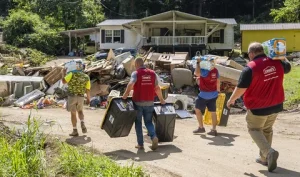
The critical hours following a residential fire require rapid coordination to secure safe temporary shelter and address basic necessities. When homes become structurally compromised or uninhabitable due to smoke contamination, families need immediate relocation support. Experienced relief advocates help displaced occupants access emergency lodging, clothing provisions, and food assistance programs.
Additionally, case managers assist with notifying insurance providers, utility companies, and local disaster assistance networks to initiate claims quickly. Resolving these urgent personal needs early establishes a stable foundation for the physical property restoration process ahead.
Essential Steps for Immediate Post-Fire Safety
- Contact local emergency disaster networks to arrange immediate temporary shelter and essential family provisions.
- Notify your homeowners insurance provider promptly to log the incident and request emergency advance funds.
- Secure professional board-up services to prevent unauthorized entry and protect exposed property from weather damage.
- Retrieve critical personal documents, medications, and identification items only if local fire officials confirm safe entry.
- Avoid turning on electrical utilities or HVAC systems until certified inspectors verify complete system safety.
To verify this step was successful, confirm that all displaced family members are settled into safe temporary housing with access to basic necessities.
Assessing Structural Stability and Emergency Fire Restoration
Once immediate family safety is secured, professional engineering and restoration teams evaluate the structural integrity of the damaged building. Intense heat compromises framing lumber, weakens roof trusses, and damages load-bearing drywall partitions throughout the property.
Furthermore, scheduling a comprehensive emergency fire restoration assessment ensures hidden fire and water damage is documented thoroughly for insurance adjusters.
Five Practical Key Points for Structural Assessment
- Structural engineers inspect load-bearing walls and ceiling framing to detect hidden heat warp and compromise.
- Professional thermal imaging identifies localized hot spots or lingering combustion risks behind wall cavities.
- Certified technicians assess roof truss integrity following severe attic or chimney fire outbreaks.
- Temporary shoring supports unstable wall sections to prevent secondary structural collapse during cleanup.
- Comprehensive damage documentation catalogs destroyed building materials to maximize insurance claim payouts.
To verify this step was successful, review the certified structural engineer report to ensure all compromised building components are fully identified.
Professional Fire Damage Cleanup and Debris Removal
Cleaning up after a fire involves much more than simply removing charred debris and ruined furniture from the premises. Soot and ash contain acidic compounds that rapidly corrode metal surfaces, etch glass, and discolor painted walls if left untreated.
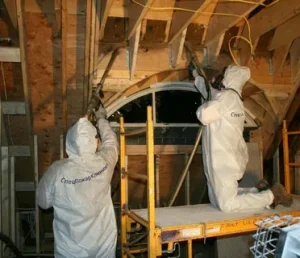
Moreover, scheduling professional fire cleanup and restoration guarantees that specialized cleaning agents neutralize toxic chemical residues safely. Experienced crews utilize industrial personal protective equipment to clear hazardous materials without exposing occupants to health risks.
Five Practical Key Points for Fire Cleanup Procedures
- Systematic debris sorting separates salvageable heirlooms from unsalvageable structural building materials.
- Industrial HEPA vacuums capture microscopic toxic soot particles suspended across indoor surfaces.
- Chemical sponge wiping lifts dry soot deposits from delicate ceiling panels and decorative molding.
- Pressure washing and specialized stripping prep structural wood framing for effective odor sealing.
- Safe hazardous waste disposal protocols comply with local environmental and municipal health regulations.
To verify this step was successful, inspect cleaned framing surfaces to ensure complete removal of loose ash, soot film, and charred residue.
Smoke Mitigation, Odor Neutralization, and Air Scrubbing
Stubborn smoke odors penetrate deeply into porous drywall insulation, subflooring, and textile furnishings long after active flames are extinguished. Masking scents fail to eliminate volatile organic compounds trapped inside building cavities and personal belongings. Top local companies supply expert smoke and fire damage restoration to scrub indoor air and purge embedded odor molecules permanently.
Consequently, deploying advanced hydroxyl generators and thermal fogging equipment restores clean, breathable indoor air quality for returning residents.
Five Practical Key Points for Odor Elimination
- Industrial hydroxyl generators break down smoke odor molecules safely without evacuating indoor spaces.
- Thermal fogging machines penetrate wall cavities to neutralize hidden combustion odors at their source.
- HEPA air scrubbers operate continuously during cleanup to capture airborne carbon dust and ash.
- Ozone treatment protocols sanitize heavily impacted rooms by destroying microscopic odor-causing bacteria.
- Specialized sealant applications encapsulate framing lumber to lock in stubborn residual smoke smells.
To verify this step was successful, perform an independent ambient air quality test to confirm zero volatile smoke compounds remain indoors.
Comprehensive Fire Damage Repair and Reconstruction Services
Restoring a fire-damaged house back to its original pre-loss condition requires expert carpentry, electrical, and plumbing reconstruction services. Charred wall studs, melted wiring harnesses, and water-logged subfloors require complete replacement by licensed general contractors.
Furthermore, partnering with a qualified fire damage repair company streamlines the entire transition from demolition to final interior finish work. Experienced project managers oversee drywall hanging, flooring installation, and custom painting to ensure flawless results.
Five Practical Key Points for Structural Reconstruction
- Complete replacement of burned electrical wiring prevents future short circuits and electrical fire hazards.
- Kiln-dried dimensional lumber replaces compromised wall studs and ceiling joists to restore structural load capacity.
- Moisture-resistant drywall installation prepares interior rooms for tape, texture, and prime painting.
- Subfloor replacement and leveling ensure new hardwood, tile, or carpet installations remain even and secure.
- Custom finish carpentry restores damaged baseboards, window casings, and interior door frames.
To verify this step was successful, review final municipal building inspection sign-offs to confirm all reconstructed elements meet local safety codes.
Comprehensive Disaster Planning and Preventive Safety Measures
While unexpected fires strike without warning, implementing robust fire prevention strategies protects your family and property against future disasters. Installing interconnected smoke detectors, maintaining ABC-rated fire extinguishers, and establishing clear family evacuation plans save precious lives.
Additionally, reviewing insurance coverage limits periodically ensures your policy reflects current local rebuilding costs and personal property values.
Five Practical Key Points for Home Fire Preparedness
- Test smoke alarm batteries monthly and replace units older than ten years to ensure reliable warning response.
- Keep ABC-rated fire extinguishers easily accessible in high-risk zones like kitchens and garage workshops.
- Practice family fire evacuation drills biannually to ensure every household member knows safe exit routes.
- Clear brush, dead trees, and flammable debris at least thirty feet away from residential exterior walls.
- Store critical insurance documents and digital backup files in a fireproof, waterproof safe box.
To verify this step was successful, conduct a home safety walk-through to confirm all smoke detectors and emergency exits operate correctly.
Conclusion
Navigating the aftermath of a residential fire is a challenging journey, but professional relief and restoration services provide a clear path forward. From securing immediate emergency shelter to executing complete structural reconstruction, expert teams manage every recovery phase with care. Partnering with certified specialists guarantees high-quality repairs, protecting your family and restoring peace of mind. Whether you need urgent assistance or comprehensive property restoration, taking action early ensures a smooth, successful transition.
Furthermore, families can access expert emergency fire relief services in El Paso, TX to secure immediate support, structured recovery guidance, and community care.
Additionally, residents can count on reliable disaster assistance in Horizon, TX to deliver professional cleanup and rebuilding support. Always choose certified specialists who prioritize compassionate communication, 24/7 availability, and structural excellence.
Frequently Asked Questions
What immediate steps should I take after experiencing a residential fire?
Ensure all family members are safe, contact emergency services, notify your insurance provider, and arrange safe temporary lodging before re-entering the property.
Are fire damage cleanup and smoke removal covered by standard homeowners insurance?
Yes, most standard homeowners insurance policies cover fire damage cleanup, smoke mitigation, and structural reconstruction costs, subject to your policy deductible.
How do restoration professionals eliminate stubborn smoke odors from a house?
Technicians use industrial air scrubbers, hydroxyl generators, thermal fogging machines, and specialized sealants to neutralize odor molecules trapped in building materials.
Can structural framing be saved after a house fire?
Slightly scorched framing can often be cleaned, sanitized, and structurally reinforced, while heavily charred or structurally compromised lumber must be completely replaced.
How long does a complete fire damage restoration project typically take?
Project timelines vary from a few weeks for minor smoke remediation to several months for major structural reconstruction, depending on the fire’s severity.