Learn how flood damage assistance services in Horizon, TX address water removal, drying, cleanup, damaged materials, safety, moisture, and recovery planning.
Floodwater can affect flooring, drywall, furniture, electrical systems, insulation, and indoor air conditions within a short period. First Relief approaches flood recovery by looking at water depth, affected rooms, damaged materials, moisture spread, and immediate safety concerns. Property owners seeking flood damage assistance services in Horizon, TX should focus first on limiting further damage and understanding which parts of the property need drying, cleaning, removal, or repair.
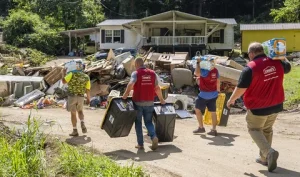
In El Paso, TX, homeowners dealing with flood cleanup and restoration may face standing water, soaked building materials, mud, debris, odors, and moisture hidden behind walls or beneath flooring.
A clear recovery plan should address immediate hazards first, then move through water removal, drying, cleanup, and restoration in a practical order.
What Flood Damage Assistance Services Should Address First
Professional flood damage assistance services in Horizon, TX should begin with safety and the extent of water intrusion.
Floodwater can move into areas that are difficult to see. Moisture may travel under flooring, into wall cavities, behind baseboards, or around built-in materials.
The first assessment may include:
- Water depth
- Affected rooms
- Electrical hazards
- Wet drywall
- Flooring damage
- Saturated insulation
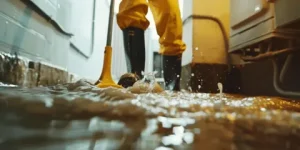
- Standing water
- Mud and debris
- Moisture around cabinets
- Damage to contents
- Odor concerns
- Areas with limited ventilation
Identifying these conditions helps determine which steps need immediate attention.
Flood Damage Assistance Services Need Moisture Mapping
Flood damage assistance services should not rely only on surfaces that look wet.
Water can remain inside porous building materials after visible standing water is removed.
Moisture checks can help identify where drying is still needed. This matters around drywall, wood framing, subfloors, insulation, cabinets, and other materials that can hold water.
A room may appear dry while hidden sections remain damp.
Flood Cleanup and Restoration in El Paso, TX
Flood cleanup and restoration in El Paso, TX may involve several separate stages depending on the source and amount of water.
Standing water often needs removal before damaged materials can be fully evaluated.
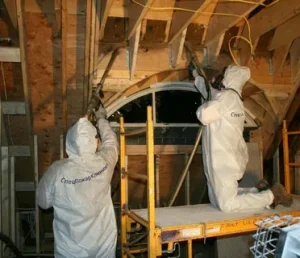
After that, cleanup may involve removing mud, debris, damaged flooring, wet drywall, or other materials that cannot remain in place.
Drying comes next.
Air movement and moisture control help reduce water trapped inside building materials and enclosed areas.
Restoration should begin only after the affected spaces are ready for repair.
Flood Recovery Usually Happens in Stages
Each phase solves a different problem.
| Recovery Stage | Main Goal | Key Consideration |
| Initial Assessment | Identify damage and hazards | Safety and water spread |
| Water Removal | Remove standing water | Access and affected areas |
| Material Evaluation | Identify what can remain | Condition and contamination |
| Drying | Reduce remaining moisture | Hidden wet areas |
| Cleanup | Remove debris and residue | Surface condition |
| Restoration | Repair damaged spaces | Dryness and material readiness |
Following a logical order helps prevent repair work from covering unresolved moisture.
Water Source Can Affect Cleanup Decisions
Not all floodwater creates the same conditions.
Rainwater entering through an opening can affect a building differently from water that has traveled across soil, streets, drainage areas, or contaminated surfaces.
The water source can influence how materials should be cleaned or whether some items should be removed.
Porous materials can absorb water quickly.
Carpet padding, drywall, insulation, upholstered items, and some wood products may hold moisture below the surface.
Property owners should avoid assuming every wet material can simply dry in place.
Emergency Flood Relief Service and Immediate Actions
An emergency flood relief service often focuses first on preventing additional damage.
When conditions are safe, property owners can take practical steps while waiting for the full cleanup process to begin.
Useful actions may include:
- Avoid entering areas with electrical hazards
- Stop the water source when possible
- Keep people away from unstable materials
- Document visible damage
- Move unaffected belongings from nearby areas
- Avoid disturbing contaminated debris
- Keep records of damaged rooms and contents
- Follow local safety instructions
Safety should come before attempts to save flooring, furniture, or other materials.
Drying Is More Than Removing Standing Water
Pumping out visible water does not mean the structure is dry.
Concrete, wood, drywall, insulation, and other materials can retain moisture after the floor surface appears clear.
Drying decisions should account for how far the water traveled.
Areas behind cabinets or beneath flooring can take longer to dry because airflow is limited.
The process should continue until affected materials reach appropriate moisture conditions for repair or replacement.
Common Flood Cleanup Mistakes
One common mistake is beginning repairs too early.
Installing new flooring or drywall before the area has dried can trap moisture inside the structure.
Another mistake is judging damage only by appearance.
Materials may look normal while holding moisture beneath the surface.
Other mistakes include:
- Walking through unsafe flooded areas
- Ignoring electrical hazards
- Leaving wet insulation in place
- Covering odors without cleaning the source
- Failing to check adjacent rooms
- Reusing damaged porous materials without evaluation
- Assuming all water damage stops at the visible waterline
A careful inspection can reveal damage that is not obvious at first glance.
Practical Steps for Organizing Flood Recovery
Flood recovery can feel difficult when several rooms need attention at the same time.
A simple sequence can help.
- Confirm that the area is safe to enter.
- Stop ongoing water entry if possible.
- Document affected areas.
- Remove standing water.
- Identify damaged materials.
- Check for hidden moisture.
- Dry the structure.
- Clean affected surfaces.
- Remove materials that cannot be restored.
- Begin repairs after drying is complete.
Following a sequence helps prevent later work from interfering with earlier cleanup.
Best Practices for Protecting the Property During Drying
Good airflow can support drying, but every space has different conditions.
Closed cavities, cabinets, flooring systems, and wall assemblies may need additional attention.
Property owners should also avoid blocking affected areas with furniture or stored items.
Moisture levels should guide drying decisions rather than time alone.
If a room has been drying for several days, that does not automatically mean every hidden area is ready for new finishes.
Checking the actual condition of materials provides better information.
Deciding What Can Stay and What Should Go
Not every wet material requires replacement.
Some hard surfaces can often be cleaned and dried when damage remains limited.
Other materials may become difficult to restore after prolonged saturation or exposure to contaminated water.
Replacement may make more sense when materials are:
- Heavily saturated
- Structurally weakened
- Swollen or warped
- Contaminated
- Holding persistent odor
- Difficult to dry completely
- Separating from surrounding surfaces
The decision should reflect both the condition of the material and the type of water exposure.
Planning Repairs After Flood Cleanup
Repair work should follow cleanup and drying rather than happen at the same time as unresolved moisture control.
Possible repairs may involve drywall, paint, insulation, flooring, trim, cabinets, or other building components.
Before rebuilding, property owners should confirm that the underlying area is ready.
This is also a useful time to review the cause of the flooding.
Drainage, roof openings, plumbing issues, grading, or other conditions may need attention to reduce the chance of another similar loss.
Conclusion
Using emergency flood relief service involves more than removing visible water. Safe recovery may require moisture assessment, material removal, structural drying, debris cleanup, odor control, and carefully planned repairs.
For properties in Horizon and El Paso, First Relief can approach flood recovery around the amount of water, the affected materials, and the condition of each area. A step-by-step process helps property owners address immediate damage while avoiding repairs that hide moisture or other unresolved problems.
FAQ
What should I do first after floodwater enters my property?
Prioritize safety. Avoid electrical hazards, stop ongoing water entry when possible, document visible damage, and limit access to unstable or contaminated areas.
How long does a flooded property take to dry?
Drying time depends on water depth, affected materials, ventilation, humidity, and how far moisture has traveled into walls, flooring, or other building components.
Can wet drywall always be dried?
Not always. The decision depends on saturation, contamination, material condition, and how long the drywall remained wet.
Why is hidden moisture a concern after flooding?
Water can remain behind walls, under floors, inside cabinets, and within insulation after visible water disappears. That moisture can affect materials and delay safe repairs.
When should repairs begin after flood cleanup?
Repairs should begin after standing water, damaged materials, contamination concerns, and remaining moisture have been addressed and the affected areas are ready for reconstruction.