
Flooding can disrupt daily life within minutes. Even a small amount of water can damage household belongings, affect electrical systems, and make rooms unsafe. For families in El Paso, TX, recovering from a flood may involve unexpected expenses, temporary housing needs, and difficult decisions about property repairs. Having access to reliable information and organized support can make these challenges easier to manage.
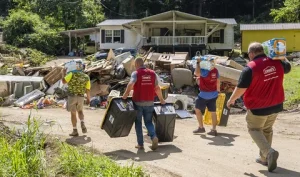
A dependable reliable Flood Victim relief service helps affected families understand their options and identify the next steps toward recovery. Assistance may include emergency supplies, temporary shelter referrals, cleanup guidance, and connections to community resources. The type of support available depends on the severity of the flooding, household needs, and eligibility requirements.
Local knowledge also matters. El Paso’s desert climate does not eliminate flood risks. Heavy rainfall can overwhelm drainage systems and create dangerous runoff, particularly in low-lying areas and locations near arroyos. Therefore, families benefit from knowing where to find help before an emergency occurs.
First Relief focuses on helping people understand relief options and the practical steps involved in recovery. By learning how relief programs work, residents can make informed decisions, protect their families, and organize their recovery efforts. Although every situation differs, timely information and appropriate assistance can help households move forward with greater confidence.
Understanding Flood Relief and Its Role in Family Recovery
Flood relief connects affected households with resources that address immediate needs and longer-term recovery challenges. These resources may come from nonprofit organizations, government agencies, community groups, or private relief providers. However, the services available can vary depending on the emergency and the organization offering assistance.
Families often need more than help removing water. They may also need safe drinking water, food, temporary accommodation, replacement clothing, and information about financial support. Furthermore, households with children, older adults, or people with mobility limitations may require additional assistance.
How Flood Relief Supports Different Household Needs
An effective expert Flood Victim relief service helps families identify which needs require immediate attention. For example, households may need emergency shelter before they can arrange repairs or replace damaged belongings.
Relief support may include:
- Emergency necessities: Food, bottled water, hygiene products, and essential supplies.
- Temporary shelter: Referrals to available accommodation or community shelters.
- Recovery information: Guidance on documenting losses and finding appropriate assistance programs.
- Community connections: Referrals to organizations that provide specialized services.
- Practical planning: Help identifying priorities for cleanup, repairs, and household recovery.
However, receiving assistance is not always automatic. Some programs require proof of residence, damage documentation, income information, or an application. Families should confirm eligibility and deadlines directly with the relevant organization.
Clear communication also helps prevent confusion. Keep contact details, application records, receipts, and important documents together. Consequently, families can track their requests and respond more easily when an agency asks for additional information.
Finding Emergency Assistance After a Flood in El Paso
The first hours after flooding often bring uncertainty. Families may not know whether their homes remain safe, where to obtain supplies, or which organization can address their needs. Therefore, identifying reliable resources early can help residents make safer decisions.
El Paso residents should monitor official local emergency announcements and follow instructions from emergency personnel. If officials issue an evacuation order, leave the affected area as directed. Never walk or drive through floodwater because its depth and strength can be difficult to judge.
Choosing a Reliable Flood Victim Relief Service
A trusted professional Flood Victim relief service should explain its services clearly, describe eligibility requirements, and provide realistic information about assistance. Before sharing personal information, verify the organization’s identity and contact details.
Consider these five practical steps when seeking emergency support:
- Check official updates: Consult local emergency management announcements and recognized public agencies.
- Identify urgent needs: Determine whether your household needs shelter, food, medical support, or transportation.
- Contact verified providers: Ask what assistance is available and whether applications are required.
- Prepare essential records: Gather identification, proof of residence, insurance details, and damage photographs when safe.
- Record every request: Keep reference numbers, contact names, and follow-up dates in one place.
Additionally, families should be cautious of anyone demanding large upfront payments or guaranteeing government grants. Relief programs have different rules, and no provider should pressure applicants into sharing sensitive information unnecessarily.
For immediate danger, call 911. For non-emergency questions, contact the appropriate local agency or established relief organization. This approach helps families find assistance without relying on unverified promises.
Understanding Flood Damage Assistance and Recovery Resources
Flood damage can affect a home’s structure, electrical systems, flooring, furniture, and personal belongings. Some problems appear immediately, while others develop over the following days. For instance, moisture trapped inside walls or under flooring can encourage mold growth if the area does not dry properly.
Consequently, families should document visible damage before beginning major cleanup, provided they can do so safely. Photographs, videos, receipts, and written descriptions can help support insurance claims or applications for eligible assistance.
What Flood Damage Assistance Services May Cover
Available trusted flood damage assistance services may connect households with cleanup resources, temporary accommodation, repair guidance, or financial assistance programs. However, coverage depends on the provider, the program’s rules, and the family’s circumstances.
Five practical actions can help organize recovery:
- Contact your insurer: Ask about coverage, claim deadlines, approved contractors, and required documentation.
- Photograph affected areas: Record damaged rooms and belongings when it is safe to enter.
- Protect important documents: Store identification, insurance policies, and receipts in a dry location.
- Avoid unsafe cleanup: Do not enter areas with electrical hazards, unstable structures, or contaminated water.
- Keep expense records: Save receipts for eligible emergency purchases, temporary lodging, and repairs.
Importantly, not every household qualifies for financial aid, and insurance policies differ. Ask each organization to explain its requirements before making financial commitments. Written estimates and verified contractor credentials can also help families avoid unnecessary costs.
Protecting Family Health and Safety During Flood Cleanup
Flood recovery involves health risks that may remain after the water disappears. Floodwater can contain sewage, chemicals, debris, and other contaminants. Damaged buildings may also have exposed wiring, weakened materials, or poor indoor air quality.
Therefore, families should avoid rushing back into damaged properties. Follow official reentry instructions and arrange professional inspections when structural or electrical problems are suspected. Children should stay away from cleanup areas until adults confirm that the spaces are safe.
Five Practical Steps for Safer Recovery
Households can reduce avoidable risks by following these precautions:
- Use protective equipment: Wear appropriate gloves, sturdy footwear, and other protection recommended for the task.
- Check electrical hazards: Never touch wet electrical equipment. Have a qualified professional inspect affected systems.
- Dry affected spaces: Arrange safe water removal and drying to limit moisture-related damage.
- Separate contaminated items: Follow local health guidance for cleaning or discarding items exposed to unsafe water.
- Seek medical advice when needed: Contact a healthcare professional if exposure causes illness or an injury requires attention.
Reliable emergency flood relief service in El Paso, TX providers may help families locate shelter, essential supplies, or referrals while their homes remain unsafe. However, relief organizations do not replace qualified electricians, structural inspectors, or healthcare professionals.
Moreover, families should follow product labels and official guidance when cleaning affected surfaces. Never mix household cleaning chemicals, as certain combinations can release dangerous gases.
A careful approach protects residents and reduces the chance of additional problems. When the damage exceeds a household’s ability to manage it safely, professional help is the better option.
Preparing for Future Flooding in El Paso
Recovery also offers an opportunity to prepare for future emergencies. El Paso experiences a dry climate, but intense rainfall can still produce flash flooding. Runoff may collect quickly in streets, washes, and low-lying areas, leaving residents with little time to react.
A household emergency plan can reduce confusion when severe weather develops. Families should identify safe meeting points, establish communication methods, and know how to receive local alerts.
Five Ways Families Can Improve Flood Preparedness
Practical preparation does not require expensive equipment. Start with these five measures:
- Build an emergency kit: Include drinking water, nonperishable food, a flashlight, batteries, first-aid supplies, and necessary medications.
- Protect important records: Keep copies of identification, insurance policies, and emergency contacts in a secure location.
- Review evacuation routes: Identify safer routes and follow official instructions during emergencies.
- Understand property risks: Check local flood-risk information and ask qualified professionals about suitable protective measures.
- Review insurance coverage: Understand exclusions, deductibles, documentation requirements, and any waiting periods that apply.
Additionally, prepare for household members who need extra support, including young children, older adults, and people with disabilities. Pets also need a safe transportation and shelter plan.
Keep emergency supplies accessible and review them periodically. Update contact information when circumstances change, and discuss the plan with everyone in the household.
Preparedness cannot prevent every flood or eliminate all damage. Nevertheless, having a clear plan can help families respond more quickly and make informed decisions when conditions change.
Conclusion
Flood recovery involves more than repairing damaged property. Families may need temporary accommodation, essential supplies, professional cleanup, insurance guidance, and reliable information about available assistance. Understanding these needs can make the recovery process more organized and help residents avoid unnecessary risks.
For households affected by flooding, an appropriate relief provider can help identify relevant programs, explain application requirements, and connect families with organizations that address specific needs. However, residents should verify eligibility, confirm service details, and rely on official emergency instructions when safety is at stake.
In El Paso, preparation is particularly valuable because intense rainfall can cause sudden runoff even in a desert environment. Families can improve their readiness by maintaining emergency supplies, reviewing insurance coverage, saving important documents, and identifying safe evacuation routes. After a flood, documenting losses and contacting verified assistance providers can support a more structured recovery.
Residents seeking reliable flood damage assistance services in El Paso, TX should compare available resources and ask clear questions about eligibility, costs, and expected timelines. Assistance may vary, so it is helpful to explore several appropriate options rather than depend on a single source.
First Relief can serve as a starting point for understanding relief options and organizing the next steps after a flood. Ultimately, accurate information, careful planning, and cooperation with trusted local resources can help families work toward safer homes and a more stable recovery.
FAQs
What does a flood victim relief service provide?
Services may include emergency supplies, shelter referrals, cleanup guidance, recovery information, and connections to eligible assistance programs.
Can El Paso families receive financial assistance after flooding?
Possibly. Eligibility depends on the available program, the type of damage, household circumstances, and applicable application requirements.
What should families do first after a flood?
Prioritize personal safety, follow emergency instructions, avoid floodwater, and contact emergency services if anyone faces immediate danger.
Does homeowners insurance cover every type of flood damage?
No. Standard homeowners policies often exclude flooding caused by external water, so coverage depends on the policy and any separate flood insurance.
How can families prepare for future floods in El Paso?
Create an emergency plan, monitor official weather alerts, prepare essential supplies, review insurance coverage, and learn safer evacuation routes.