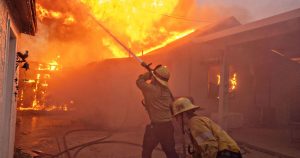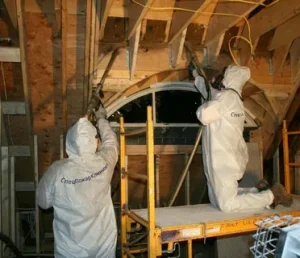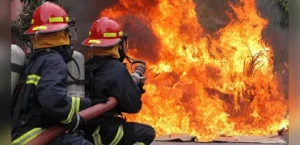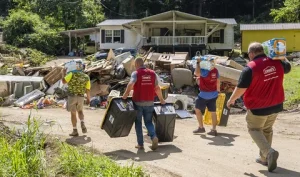
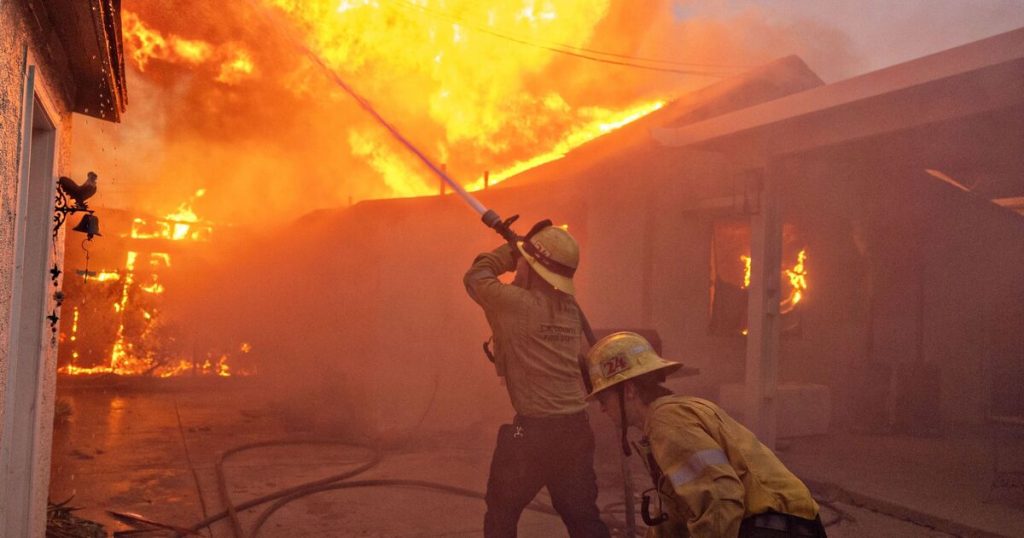
A house fire can change a family’s life in minutes. Beyond the visible property damage, families may suddenly face temporary housing needs, damaged belongings, insurance questions, and uncertainty about what to do next. During this difficult time, reliable guidance can help people focus on safety and begin rebuilding their lives. First Relief is a nonprofit organization that supports families affected by fire, flooding, and other traumatic incidents by helping them understand their options and connect with appropriate recovery resources in the El Paso area.
Recovering after a fire involves more than repairing walls and replacing damaged possessions. Families may need immediate shelter, essential supplies, help understanding insurance requirements, and coordination with restoration professionals. Knowing which steps to take first can make an overwhelming situation easier to manage.
Understanding Fire Victim Relief Services
Fire victim relief services help individuals and families navigate the immediate challenges that follow a residential or commercial fire. The assistance available depends on the circumstances, the family’s needs, and the resources accessible through local organizations and service providers.
First Relief focuses on guidance, coordination, and connections to recovery resources. Rather than requiring families to figure out every step independently, its process helps identify immediate needs and determine appropriate next actions.
Support may involve several areas of recovery.
Emergency Guidance and Property Safety
Safety should always come first after a fire. Occupants should follow instructions from emergency responders and avoid entering damaged buildings until the appropriate authorities confirm that entry is safe.
Once the property is safe to assess, homeowners may need help understanding the next steps for securing the building, documenting damage, and arranging professional inspections. Damaged roofs, broken windows, exposed entrances, and compromised structures can create additional risks if left unaddressed.
First Relief helps property owners navigate the recovery process and connect with relevant professionals. Its website also describes assistance with property board-up coordination and certain emergency-related expenses for qualifying situations. Families should confirm eligibility and the specific support available for their case.
Temporary Housing and Essential Needs
A fire can make a home temporarily or permanently uninhabitable. Families may need somewhere safe to stay while authorities assess the property and restoration professionals determine what repairs are necessary.
Depending on individual circumstances and available resources, recovery planning may include:
- Identifying temporary accommodation options.
- Finding clothing and basic necessities.
- Exploring assistance for displaced pets.
- Locating resources for essential medications and personal documents.
- Understanding what to prioritize when leaving a damaged property.
First Relief describes same-day temporary housing assistance for certain situations, including when insurance providers are unavailable after hours or on weekends. The availability of assistance should be confirmed directly, particularly during emergencies.
Help Understanding Insurance and Recovery Requirements
Insurance paperwork can feel complicated when families are already dealing with the emotional effects of a fire. Homeowners may need to understand policy provisions, document damaged possessions, communicate with an insurer, and coordinate inspections or repairs.
First Relief provides information and guidance intended to help families understand their options. Its website also describes no-cost policy reviews and assistance with navigating permitting and mortgage-related requirements.
Coverage depends on the individual policy and circumstances. Families should verify benefits directly with their insurer and retain relevant documents, photographs, receipts, and correspondence whenever possible.
What to Do Immediately After a House Fire
Taking the right steps after a fire can help protect people and property while establishing a clearer recovery plan.
Prioritize Personal Safety
Make sure household members and pets are accounted for. Follow instructions from firefighters and other emergency personnel, and seek medical attention when necessary. Do not return to the property until authorities say it is safe.
Fire-damaged buildings may contain hidden structural problems, electrical hazards, smoke residue, and other dangers. Even when the flames are extinguished, parts of the building may remain unsafe.
Document the Damage
When it is safe to do so, photograph damaged rooms, structural areas, furniture, appliances, and personal belongings. Keep a written record of affected items and any emergency expenses.
This information can help when communicating with an insurance company or organizing the recovery process. Before discarding damaged possessions, check whether your insurer requires photographs, an inspection, or other documentation.
Contact Your Insurance Company
Notify your insurer as soon as practical and ask about the next steps. Find out what documentation is needed, whether an adjuster must inspect the property, and which temporary living expenses may be covered under your policy.
Avoid assuming that every expense or repair will be reimbursed. Coverage, deductibles, exclusions, and approval requirements vary by policy.
Arrange Professional Property Assessment
Depending on the damage, the building may require board-up services, smoke and soot cleanup, water removal, structural assessment, or extensive repairs.
Firefighting efforts can introduce water into walls, floors, and other building materials. A qualified restoration professional can assess visible and hidden damage and recommend an appropriate recovery plan.
For families seeking organized assistance, fire victim relief services through First Relief can help clarify recovery priorities and connect property owners with relevant professionals and resources.
Fire Victim Relief Services in El Paso, TX
El Paso families affected by a residential or commercial fire may face several urgent decisions at once. They may need to secure the property, arrange temporary accommodation, understand insurance requirements, and determine how to begin repairs.
First Relief provides fire victim relief support in El Paso, TX, helping property owners navigate the early stages of recovery. Its approach emphasizes clear communication, practical guidance, and connections to professionals who can address property damage.
Every incident requires a different response. A small kitchen fire may leave smoke damage and localized repairs, while a major structural fire may require extensive rebuilding and a longer period away from home.
When seeking assistance, be prepared to explain what happened, whether anyone was injured, whether the building is safe to enter, and what immediate needs remain unmet. Details about insurance, temporary housing, and property security can also help identify appropriate next steps.
Families should remember that relief assistance and physical restoration are related but distinct. A nonprofit relief organization can help coordinate resources and guide decisions, while specialized restoration contractors generally perform the physical cleanup and repair work.
Disaster Recovery Guidance for Families in Horizon, TX
Fire and smoke damage can also affect families in Horizon, where residents may need help organizing temporary living arrangements and finding qualified professionals to assess damaged properties.
First Relief offers disaster relief and recovery support in Horizon, TX, with information about fire and flood recovery, property restoration coordination, and other resources for affected households and businesses.
After a fire, the recovery process may involve several connected tasks. Smoke and soot can spread beyond the room where the fire began, while water used to extinguish the flames may affect flooring, drywall, insulation, and electrical components. A thorough assessment helps determine which areas need cleaning, drying, repair, or replacement.
Families can make the process more manageable by keeping important paperwork together, recording conversations with service providers, and asking clear questions about the work being recommended.
Useful questions include:
- Which areas of the property need immediate attention?
- Is the building safe to enter?
- What documentation should be collected before cleanup?
- Which expenses may be covered by insurance?
- What temporary housing or essential-needs resources may be available?
- Which qualified professionals should assess the damage?
Getting clear answers can help families prioritize safety and avoid making rushed decisions during an already stressful period.
Supporting Emotional and Practical Recovery After a Fire
Losing access to a home can disrupt work, education, family routines, and emotional well-being. Even when everyone escapes physical injury, the experience may leave household members feeling overwhelmed.
Recovery planning should account for these personal needs alongside property repairs. Families may benefit from support from relatives, community organizations, counselors, and other appropriate local resources.
Parents may need to explain temporary living arrangements to children, while older adults or people with disabilities may require additional help with transportation, medication access, or daily activities.
It is also important to recognize that recovery takes time. Some households may return home after relatively limited repairs, while others may need temporary accommodation throughout an extensive rebuilding project. A realistic plan, regular communication, and access to appropriate resources can help families navigate each stage.
How to Prepare for a Fire Relief Assistance Request
When contacting a relief organization, providing accurate information can help its team understand the situation and identify potentially useful resources.
Consider gathering the following details when available:
- Your name and preferred contact information.
- The property address and type of incident.
- Whether emergency responders have confirmed that the property is safe.
- Whether the home has been secured against unauthorized entry.
- Whether anyone needs temporary housing or essential supplies.
- Whether property insurance is available and a claim has been started.
- Any immediate accessibility, medical, or family needs.
Do not delay contacting emergency services to collect paperwork. Immediate safety comes first, and you can organize additional information when circumstances allow.
First Relief provides an assistance questionnaire on its website to collect incident details and help determine what support may be appropriate. Families can use that process to explain their circumstances and request guidance.
Conclusion
Recovering after a house fire can involve difficult decisions about safety, housing, insurance, property security, and rebuilding. Access to reliable information and coordinated resources can help families understand their options and take practical steps toward recovery.
First Relief supports people affected by fire, flooding, and other traumatic incidents by offering guidance and connecting them with relevant recovery resources. Whether a household is in El Paso or Horizon, beginning with safety, documenting damage, communicating with the insurer, and identifying immediate needs can provide a clearer path forward.
Frequently Asked Questions
What are fire victim relief services?
Fire victim relief services help people affected by fires address immediate needs and navigate recovery. Depending on the organization and circumstances, support may include guidance, temporary housing resources, essential supplies, property security coordination, and connections to restoration professionals.
Does First Relief provide assistance to families after a house fire?
First Relief describes itself as a nonprofit organization that helps families affected by fire, flooding, and other traumatic incidents. Its services include recovery guidance and connections to relevant resources. Contact the organization directly to confirm what assistance is available for your circumstances.
Can fire victims receive help with temporary housing?
Temporary housing resources may be available depending on the situation, eligibility, and available assistance. First Relief describes same-day temporary housing support for certain cases. Families should contact the organization to confirm current availability and requirements.
What should I do before cleaning a fire-damaged property?
Follow instructions from emergency responders and do not enter an unsafe building. When permitted, document the damage and contact your insurer before discarding belongings or starting major cleanup. Qualified professionals can assess structural, smoke, soot, and water damage.
Can fire relief organizations help with insurance questions?
Some organizations provide guidance about insurance paperwork, policy provisions, documentation, and recovery requirements. First Relief describes no-cost policy reviews as part of its support. Insurance coverage decisions remain subject to the actual policy and the insurer’s assessment.
Does fire victim relief include rebuilding a damaged home?
Relief assistance and construction work are different parts of recovery. A relief organization may help coordinate resources and connect families with restoration professionals, while qualified contractors handle the physical repairs and rebuilding. The services available depend on the incident and the agreed scope of work.