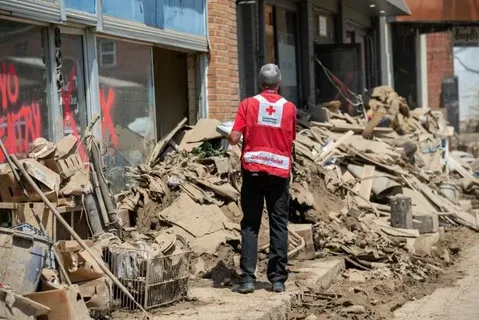
Flooding can affect floors, walls, insulation, furniture, and structural materials within a short time. When water enters a home or business, reliable flood victim relief service helps property owners control immediate damage and begin a structured recovery process. The first priorities usually include identifying the water source, removing standing water, locating hidden moisture, and protecting materials that may still be restored.
First Relief provides flood-related recovery support for homeowners and businesses in El Paso and Horizon, TX. The company lists flood victim relief among its main services and focuses on water extraction, cleanup, moisture control, and structural drying.
Professional flood cleanup and restoration should address more than visible water. Moisture can travel beneath flooring or remain inside wall cavities after the surface looks dry. Therefore, emergency water extraction often needs to work together with moisture detection and structural drying services.
A complete flood damage recovery plan may also include damaged-material removal and cleaning. Likewise, water damage cleanup services help prepare affected spaces for repairs after the property has been stabilized.
Understanding How Floodwater Affects a Property
Floodwater rarely remains in one visible area. Porous materials can absorb moisture quickly, while water may travel beneath flooring, behind baseboards, or through adjoining rooms.
Hidden Moisture Can Create Larger Problems
Professional flood cleanup and restoration begins with understanding how far the water has traveled. Wet carpet may be obvious, but drywall, insulation, subflooring, cabinets, and framing can also hold moisture.
Property owners should watch for swelling trim, soft drywall, damp odors, peeling paint, warped flooring, or unusual discoloration. These signs may indicate moisture beyond the visible flood area.
Quality water damage cleanup services also consider the source of the water. A plumbing leak, storm intrusion, or larger flooding event can create different cleanup requirements.
Moreover, drying should not stop simply because standing water has disappeared. Trapped moisture may continue affecting building materials after extraction.
A professional inspection helps separate materials that can potentially dry from those that may need removal. Consequently, the recovery plan can focus on actual property conditions rather than assumptions.
Starting Flood Recovery With Water Removal
Rapid water removal can help limit how far moisture spreads through a building. However, extraction works best as part of a broader restoration process.
Removing Standing Water Efficiently
Expert flood victim relief service may begin with an assessment of affected rooms and potential safety concerns. Restoration professionals can then determine where extraction equipment should be used and which materials require immediate attention.
First Relief states that its flood recovery work includes water extraction, moisture control, debris removal, and structural drying for residential and commercial properties.
A typical early response may include:
- Locating the source or entry point
- Removing accessible standing water
- Checking nearby rooms for moisture migration
- Moving recoverable items when appropriate
- Beginning controlled drying
Professional emergency water extraction can reduce saturation in flooring and other materials. However, extraction alone does not confirm that the building is dry.
Reliable structural drying services may still be necessary after visible water has been removed. Air movement, dehumidification, and moisture monitoring help address water that remains within materials.
This sequence supports a more complete recovery instead of treating only what can be seen.
Drying Walls, Floors, and Structural Materials
Drying is one of the most important stages after water removal. Building materials release moisture at different rates, so the process requires monitoring rather than guesswork.
Why Structural Drying Requires Patience
Professional structural drying services focus on materials such as drywall, subfloors, framing, ceilings, and other areas affected by water intrusion. The goal is to reduce retained moisture before repairs begin.
A well-managed flood damage recovery process may use air movers and dehumidification equipment to support evaporation. Moisture readings can then show whether affected materials are responding to the drying plan.
Five factors can influence drying:
- Amount of water present
- Length of exposure
- Type of building material
- Airflow through the affected space
- Indoor humidity levels
Professional water damage cleanup services may also remove materials that prevent effective drying. For example, heavily damaged finishes can trap moisture against underlying surfaces.
Moreover, restoration professionals should avoid closing walls or installing new flooring before moisture conditions are suitable.
Proper drying may take longer than surface cleanup, but it helps create a better foundation for later repairs.
Cleaning Up After a Flood Event
Once water levels are controlled, cleanup helps restore order to the affected space. Flooded rooms may contain debris, damaged belongings, dirt, and deteriorated building materials.
Organizing Cleanup Before Repairs Begin
Professional flood cleanup and restoration should follow a clear sequence. Removing debris too quickly without documenting or assessing affected areas can make later decisions more difficult.
A practical cleanup process may separate salvageable belongings from materials that cannot reasonably be restored. Surfaces may also require cleaning before drying or reconstruction continues.
Reliable water damage cleanup services in Horizon, TX can help remove damaged drywall, flooring, insulation, or other materials when conditions require it. However, not every wet item automatically needs disposal.
The source of the water matters as well. Restoration professionals should consider contamination concerns before deciding how materials should be handled.
First Relief describes its flood support as covering cleanup, water extraction, drying, stabilization, and restoration for affected properties.
Careful cleanup makes damaged areas easier to inspect. As a result, property owners can better understand what remains before repairs or rebuilding begin.
Restoring the Property After Drying
Drying solves the moisture problem, but many flood events also leave visible physical damage. Flooring may lift, drywall may deteriorate, and trim or cabinets can lose their original condition.
Moving From Stabilization to Repairs
Professional flood damage recovery should begin repairs only after the affected areas have been evaluated and dried appropriately.
Some materials may remain usable after proper drying and cleaning. Others may require replacement because they have swollen, broken down, or lost structural integrity.
A complete recovery plan should consider:
- Drywall and ceiling damage
- Flooring and subfloor conditions
- Insulation affected by moisture
- Trim, cabinetry, and interior finishes
- Areas needing reconstruction
Professional emergency water extraction supports this later stage by reducing the amount of water materials absorbed during the early response.
Likewise, dependable structural drying services can help determine when affected building components are ready for repair.
Restoration should focus on correcting real damage rather than simply hiding stains or surface changes. Clear evaluation before reconstruction can reduce the chance of repairing unresolved moisture problems.
Preparing for Flood Emergencies in El Paso and Horizon
Property owners cannot prevent every plumbing failure or flooding event. However, a basic response plan can help reduce confusion when water suddenly enters a building.
Know What to Do During the First Hours
Before requesting professional flood victim relief service, make personal safety the first priority. Avoid standing water when electrical hazards may be present, and do not enter areas that appear structurally unsafe.
When conditions allow, document visible water damage and move unaffected belongings away from the wet area. Do not delay professional evaluation when water continues spreading.
A qualified provider of emergency water extraction can help control standing water and begin moisture assessment. Meanwhile, organized flood damage recovery can address drying, cleanup, and subsequent repairs.
First Relief lists both El Paso and Horizon, TX among the communities it serves for flood and disaster-related recovery support.
Keep photographs, notes, and a basic record of affected rooms. Furthermore, avoid making major repairs until the extent of moisture damage is understood.
Early organization can make the next steps easier to manage during a stressful property emergency.
Conclusion
Flood recovery requires more than removing visible water. A complete response may involve extraction, moisture detection, drying, damaged-material removal, cleanup, and repairs based on the condition of the property.
For homeowners and businesses needing reliable flood cleanup and restoration in El Paso, TX, early assessment can help identify both obvious damage and moisture hidden inside building materials. Water that reaches floors, walls, insulation, or structural components may require different recovery methods.
Professional structural drying can also play an important role after standing water disappears. Likewise, careful cleanup helps prepare damaged areas for later restoration work.
Property owners should avoid assuming that a surface is dry simply because it looks normal. Moisture readings and professional evaluation provide better information for repair decisions.
First Relief serves El Paso and Horizon with flood-related support designed around water removal, drying, cleanup, and property recovery.
A well-organized response can help limit additional damage and make the restoration process easier to understand. The strongest results come from addressing water, moisture, damaged materials, and repairs in the correct order rather than focusing only on visible signs of flooding.
FAQs
What should I do first after indoor flooding?
Prioritize safety, avoid electrical hazards, stop the water source when safe, document visible damage, and arrange professional assessment.
Does removing standing water completely dry a property?
No. Water can remain beneath flooring, behind walls, and inside other porous materials after extraction.
Can wet drywall be dried instead of replaced?
Sometimes. The decision depends on water exposure, contamination, physical damage, and the amount of moisture retained.
How does structural drying work?
Restoration professionals may use air movement, dehumidification, moisture detection, and ongoing monitoring to dry affected materials.
Does First Relief serve both El Paso and Horizon?
Yes. The website lists El Paso, TX and Horizon, TX as service areas for its flood and disaster recovery assistance.