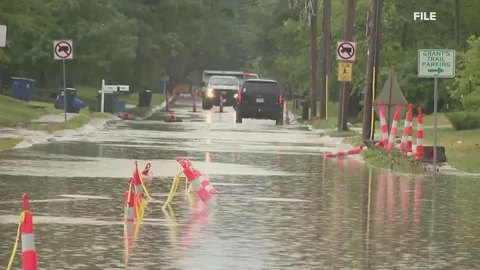
Learn how flood victim relief services in El Paso, TX help with cleanup, recovery planning, damage assessment, and restoring safe living spaces.
Flooding can create stressful and unexpected challenges for homeowners. Water can damage flooring, walls, furniture, electrical systems, and personal belongings within a short time. After a flood, knowing what steps to take first can make the recovery process safer and more organized. First Relief helps homeowners understand the important stages involved in flood recovery and restoration.
When people search for flood victim relief services, they are often looking for guidance after storms, plumbing failures, heavy rainfall, or unexpected water emergencies. In El Paso and Horizon, TX, fast action after flooding can help reduce damage and support a safer recovery process.
What Flood Victim Relief Services Provide After a Disaster
Flood recovery involves more than removing standing water. A complete response focuses on assessing damage, cleaning affected areas, preventing further issues, and helping homeowners understand their next steps.
Professional flood relief support may include:
- Damage assessment
- Water removal coordination
- Moisture evaluation
- Cleaning affected areas
- Recovery planning
- Restoration recommendations
- Safety guidance
Each flood situation is different. The amount of damage depends on the water source, how long water remained inside the property, and which areas were affected.
How Flood Victim Relief Services Support Recovery
After flooding, homeowners often face many decisions at once. A structured recovery flood victim relief services in El Paso, TX process helps organize these steps.
A typical flood recovery approach includes:
- Evaluating the affected areas.
- Identifying the source of water damage.
- Removing damaged materials when necessary.
- Cleaning and drying affected spaces.
- Planning restoration work.
Proper evaluation helps determine what can be restored and what may need replacement.
Understanding Different Types of Flood Damage
Not all flood damage is the same. The source of the water plays an important role in determining the cleanup approach.
Common types of flood situations include:
| Flood Type | Common Causes | Main Concern |
| Clean water damage | Pipe leaks or supply line issues | Moisture damage |
| Storm water damage | Heavy rain or flooding | Structural and material damage |
| Sewage-related flooding | Sewer backups | Contamination risks |
| Groundwater flooding | Rising water levels | Long-term moisture issues |
Understanding the type of water involved helps determine the appropriate response.
Why Quick Flood Response Matters
Water damage can continue even after floodwaters begin to disappear. Moisture can move into materials that are difficult to see, including drywall, insulation, flooring, and wood structures.
Delaying cleanup may increase the risk of:
- Mold growth
- Unpleasant odors
- Structural damage
- Damaged belongings
- Longer restoration timelines
- Increased repair needs
Quick action does not remove every challenge, but it can help limit the impact of water exposure.
The Role of Flood Damage Assistance Services
Many homeowners need guidance understanding what happens after the initial emergency.
Flood damage assistance services in Horizon, TX can help homeowners organize recovery efforts by identifying damage, explaining available solutions, and providing information about the restoration process.
Assistance may involve:
- Reviewing affected areas
- Documenting damage
- Understanding cleanup requirements
- Identifying safety concerns
- Planning restoration steps
Having a clear process can reduce confusion during a difficult situation.
Common Flood Cleanup Mistakes
One common mistake is starting cleanup without understanding the safety risks. Floodwater may contain contaminants, especially when it comes from outside sources or sewage backups.
Another mistake is focusing only on visible water while ignoring hidden moisture.
Homeowners should avoid:
- Entering unsafe flooded areas
- Ignoring moisture behind walls
- Removing materials without proper assessment
- Delaying drying efforts
- Assuming damaged items are automatically safe
- Using unsafe electrical equipment near water
Safety should always come before cleanup.
Best Practices After a Flood
The first priority after flooding is protecting people and preventing additional damage.
Helpful steps include:
- Avoid contact with contaminated water
- Turn off electricity if it can be done safely
- Move valuable items away from affected areas
- Take photos of damage for records
- Improve airflow when safe
- Keep children and pets away from damaged areas
For homeowners in El Paso and Horizon, TX, preparation and quick response can make the recovery process more manageable.
Flood Cleanup and Restoration: What Happens Next
How Flood Cleanup and Restoration Restores Your Property
Flood cleanup and restoration involves several stages designed to return the property to a safe and usable condition.
The process may include:
- Removing damaged materials
- Cleaning affected surfaces
- Drying wet areas
- Repairing damaged structures
- Restoring rooms and finishes
Restoration decisions depend on the condition of the property and the extent of the damage.
A careful approach helps prevent ongoing moisture problems and supports a more complete recovery.
Actionable Tips Before Flood Relief Help Arrives
If your home experiences flooding, consider these steps:
- Document visible damage with photos.
- Identify where water entered the property.
- Keep people away from unsafe areas.
- Remove valuable items only if safe.
- Avoid using electrical devices near water.
- Record damaged belongings.
- Contact appropriate support services.
Preparing information early can help make the recovery process smoother.
Conclusion
Professional Flood cleanup and restoration help homeowners understand the steps needed after water damage and create a more organized path toward recovery. From assessing damage to planning cleanup and restoration, proper support can help protect the property and the people inside it.
First Relief provides flood recovery support for homeowners in El Paso and Horizon, TX. Understanding the restoration process, responding quickly, and following safe cleanup practices can help families move forward after unexpected flooding events.
FAQs
1. What are flood victim relief services?
Flood victim relief services provide support after flooding by helping with damage assessment, cleanup planning, recovery steps, and restoration guidance.
2. How soon should flood cleanup begin?
Cleanup should begin as soon as it is safe to do so because moisture can continue damaging materials over time.
3. Can flood damage cause mold problems?
Yes. Excess moisture can create conditions where mold may develop, especially when affected areas remain wet for extended periods.
4. What should I do immediately after a flood?
Focus on safety first, avoid contaminated areas, document damage, and seek professional guidance for cleanup and restoration.
5. What is included in flood cleanup and restoration?
Flood cleanup and restoration may include water removal, drying, cleaning, repairs, and restoring damaged areas based on the condition of the property.