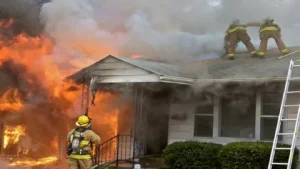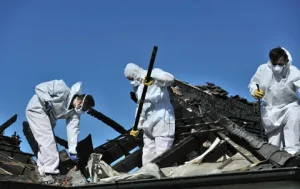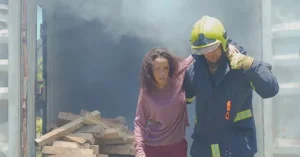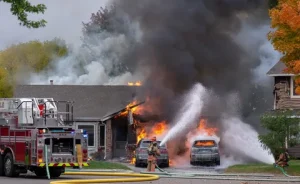
A house fire can leave a family facing urgent decisions about safety, housing, damaged belongings, insurance, and property security at the same time. A reliable emergency fire relief service helps organize those first steps so affected families can focus on immediate needs instead of trying to manage every part of recovery alone. In Horizon, TX, timely support can be especially valuable when residents need temporary accommodations, essential supplies, guidance, or help understanding what should happen after emergency crews leave.
First Relief provides fire, flood, and trauma victim support for families in the El Paso area. Its fire-related assistance includes guidance, emergency resources, property-security support, temporary housing assistance, and connections with recovery professionals.
Fire recovery rarely involves a single task. Families may need to secure the property, document losses, replace essential items, arrange somewhere safe to stay, and communicate with insurance or restoration professionals. Understanding these priorities before making major decisions can reduce confusion and help create a more organized path toward recovery.
What Should Families Do Immediately After a House Fire?
The first priority after any fire is personal safety. Residents should follow instructions from firefighters and local authorities and should not re-enter the property until officials confirm that it is safe. Even when flames are gone, weakened materials, electrical hazards, smoke contamination, and hot spots may still create risks inside the building.
Once immediate safety concerns are under control, families can begin organizing practical needs. This stage often involves finding a safe place to stay, checking whether medications or important documents need replacement, and contacting the appropriate people about the property. Keeping these tasks organized can make an already difficult situation easier to manage.
Focus on Safety Before Property Recovery
An emergency fire assistance plan should begin with people rather than possessions. Families should account for every household member, arrange care for pets when necessary, and identify any medical or accessibility needs that require quick attention. Only after emergency officials approve access should property documentation or retrieval of belongings begin.
A few early priorities can help create structure:
- Follow all instructions from emergency responders.
- Confirm that everyone has safe temporary accommodations.
- Replace essential medications and identification when necessary.
- Keep important phone numbers and documents together.
- Photograph visible property damage when safe access is allowed.
These first actions provide a foundation for the longer recovery process without encouraging families to rush into unsafe areas.
How an Emergency Fire Relief Service Supports Early Recovery
The first hours after a fire often involve several problems at once. A family may need housing, clothing, food, transportation, property security, and guidance about next steps. Trying to locate each resource separately can create delays and additional stress, especially when people are already dealing with shock and uncertainty.
A trusted emergency fire relief service can help bring those needs into a more organized recovery plan. First Relief’s fire victim service includes emergency cleanup coordination, smoke and soot concerns, property stabilization, and broader recovery guidance.
Recovery Support Should Address Immediate Needs First
Useful fire victim relief services focus on the most urgent problems before moving toward longer-term property restoration. Temporary shelter may matter more than repair estimates during the first night, while property security may become a priority once emergency crews leave.
Families may need assistance with:
- Finding safe temporary housing
- Securing exposed doors or windows
- Replacing essential personal items
- Understanding available recovery resources
- Organizing communication with service providers
The exact needs vary from one household to another. Therefore, a good recovery plan should respond to the actual situation rather than assuming every family requires the same type of assistance.
Securing the Property After Emergency Crews Leave
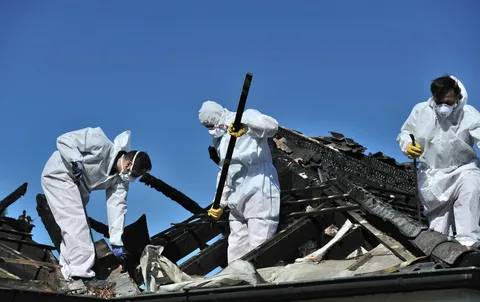
Fire damage may leave doors, windows, walls, or roofing exposed. These openings can create additional concerns involving weather, unauthorized access, theft, or further property damage. Securing the building can therefore become an important early step once firefighters and investigators have completed the work required at the scene.
Property owners should avoid entering unstable areas or attempting temporary repairs that could create safety risks. Instead, they should follow guidance from emergency officials and qualified professionals who can determine which areas require immediate stabilization.
Board-Up and Property Protection Can Prevent Additional Problems
Emergency property security may include boarding exposed openings, limiting access to damaged areas, and protecting belongings that remain inside the structure. First Relief states that its support can include board-up and emergency-response assistance following fires and other damaging events.
Families seeking professional fire recovery support in Horizon, TX should also document the property’s condition before cleanup or major changes begin whenever it is safe to do so. Photos, videos, written notes, and lists of damaged belongings may become useful during later conversations about restoration or insurance.
Securing the property does not mean recovery is complete. Instead, it helps create a safer starting point for inspections, cleanup planning, and decisions about what can be restored.
Managing Temporary Housing and Essential Family Needs
A serious fire may make a home temporarily unsafe even when structural damage appears limited. Smoke contamination, loss of utilities, water from firefighting efforts, or damaged building systems can prevent residents from returning immediately. Families may therefore need temporary accommodations while assessments and recovery work move forward.
Housing decisions should consider household size, children, pets, accessibility needs, transportation, work schedules, and the expected length of displacement. Keeping receipts and records related to temporary living costs can also help families maintain organized documentation during recovery.
Stable Housing Helps Families Regain Routine
Temporary housing assistance gives families a safe place to regroup while property-related decisions are being made. First Relief notes that temporary housing support may be available when insurance companies cannot immediately arrange accommodations after a loss.
Other essential needs may include clean clothing, toiletries, food, transportation, phone chargers, prescription replacements, and school or work supplies. Children and older adults may also need additional support because sudden displacement can disrupt familiar routines.
Addressing these practical needs early helps families focus on the next stages of recovery with greater stability. It also prevents property restoration decisions from overshadowing the immediate well-being of the people affected by the fire.
Organizing Insurance, Documents, and Recovery Information
Fire recovery often involves large amounts of information. Property owners may communicate with emergency officials, insurance representatives, restoration professionals, mortgage companies, landlords, or community organizations. Keeping documents organized from the beginning can make these conversations easier to manage and reduce the chance that important details are lost.
Families should create one place for photographs, receipts, claim information, contact details, estimates, inventories, and written communication. Digital backups can also provide useful protection if paper documents were damaged during the fire.
Documentation Supports Better Recovery Decisions
A professional emergency fire relief service can help families understand which information may matter as they move through the recovery process. However, homeowners should always confirm policy-specific coverage, limits, deductibles, and claim requirements directly with their insurance provider.
Useful records may include:
- Photos and videos of damaged rooms and belongings
- A written inventory of affected personal property
- Receipts for lodging, meals, clothing, and essential purchases
- Insurance policy and claim information
- Contact information for recovery professionals
For families using dependable fire victim assistance in El Paso, TX, good documentation can also make it easier to explain what happened and what type of support is still needed. Organized records cannot remove the difficulty of a fire, but they can make later decisions clearer.
Planning the Transition From Emergency Relief to Long-Term Recovery
Emergency relief addresses urgent needs, while long-term recovery may involve cleanup, repairs, rebuilding, insurance coordination, replacement of belongings, and emotional adjustment. The transition between these stages should happen gradually because families may not have all the information they need immediately after the incident.
Before approving major restoration work, property owners should understand the condition of the building and which services are actually required. Smoke, soot, firefighting water, and structural damage can affect different areas in different ways, so professional assessment may be necessary before repair decisions are finalized.
A Clear Recovery Plan Helps Reduce Uncertainty
Fire disaster recovery support should help families separate immediate priorities from decisions that can wait. For example, temporary housing and property security may need attention within hours, while finish selections for reconstruction can usually be considered later.
Five useful recovery priorities include:
- Confirming that the property is safe to access
- Protecting the building from additional exposure
- Documenting damaged property and personal belongings
- Coordinating appropriate cleanup and restoration services
- Maintaining clear records throughout the recovery process
First Relief helps connect affected families with resources and professionals as they move from emergency response toward recovery. A structured approach allows families to make one decision at a time instead of treating every problem as equally urgent.
Conclusion
Recovering from a house fire requires much more than repairing damaged walls or replacing belongings. Families may face displacement, property-security concerns, lost documents, damaged personal items, insurance questions, and uncertainty about what should happen first. Organizing these needs into a clear order can make the recovery process easier to understand and manage.
A dependable emergency fire relief service can provide direction during the early stages by helping families identify immediate needs and connect with appropriate resources. Safety should always come first, followed by temporary housing, essential supplies, property protection, documentation, and plans for professional cleanup or restoration.
First Relief supports families affected by fire and other disasters in the El Paso area by connecting them with guidance, resources, and recovery assistance. Every fire loss is different, so households should make decisions based on their specific safety concerns, property conditions, insurance coverage, and personal needs.
The goal during the first days after a fire is not to solve every problem immediately. A better approach is to establish safety, regain basic stability, protect important information, and move through each stage of recovery with a clear understanding of the next priority.
FAQ’s
When should I contact an emergency fire relief service?
Contact a relief service as soon as immediate emergency-response needs are under control and your family is safe. Early support can help with housing, essential resources, property security, and recovery planning.
Can fire relief services help with temporary housing?
Depending on the organization and available resources, assistance may include temporary accommodations or referrals to appropriate housing support. Families should also review any temporary-living coverage available through their insurance policy.
Should I enter my home to collect belongings after a fire?
Do not enter until firefighters or other authorized officials confirm that the property is safe. Structural, electrical, smoke, and other hazards may remain even after the fire is extinguished.
What documents should I keep during fire recovery?
Keep photographs, videos, insurance information, claim numbers, inventories, receipts, estimates, and written communication related to the loss. Store digital copies when possible.
What happens after the emergency stage of fire recovery?
The next stages may include property assessment, smoke and soot cleanup, water-damage treatment, restoration planning, repairs, insurance coordination, and replacement of damaged belongings.