Learn how fire restoration services in El Paso, TX address smoke, soot, water, and structural damage, plus the first steps to take after a property fire.
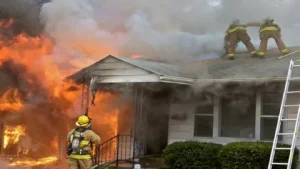
Once firefighters leave, the property may still face smoke residue, soot, water, damaged materials, and unsafe areas. First Relief helps property owners understand the recovery process after residential or commercial fire damage and organize the next steps needed to protect the building.
Professional fire restoration services can involve far more than removing burned material. In El Paso and Horizon, TX, property owners may also need to deal with water from firefighting efforts, lingering odors, damaged drywall, affected flooring, and smoke particles that moved beyond the room where the fire started.
What Fire Restoration Services Should Address First
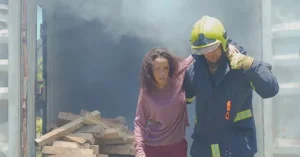
Safety comes before cleanup. Do not enter damaged parts of a building until emergency officials or qualified professionals determine that access is appropriate.
Once the property can be evaluated, the restoration process should identify both obvious and hidden damage.
Important areas to inspect include:
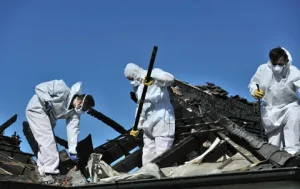
- Fire-damaged structural materials
- Smoke and soot residue
- Wet drywall and insulation
- Flooring exposed to water
- Windows and exterior openings
- Electrical components
- HVAC systems and vents
- Cabinets and contents near the affected area
Smoke can travel beyond the room where flames were present. Water can also move beneath flooring or into wall cavities, so visual damage does not always show the full extent of the problem.
How Fire Restoration Services Handle Smoke and Soot
Fire restoration services in El Paso, TX require different cleaning methods for different materials. Dry soot, oily residue, and smoke odors do not always respond to the same treatment.
Professionals usually begin by identifying which materials can be cleaned and which are too damaged to restore. Walls, ceilings, fixtures, furniture, and other surfaces may require different methods.
Quick decisions can matter because soot and smoke residue may continue affecting surfaces after the fire has ended. However, homeowners should avoid wiping heavily soiled surfaces without knowing the correct cleaning method, since improper cleaning can spread residue or push it deeper into porous materials.
Fire, Smoke, and Water Damage Require Different Responses
A single fire can create several types of property damage at once.
| Type of Damage | Common Concern | Typical Restoration Focus |
| Fire damage | Burned structural or finish materials | Removal and reconstruction planning |
| Smoke damage | Residue across multiple rooms | Surface cleaning and containment |
| Soot damage | Dark or oily deposits | Material-specific cleaning |
| Water damage | Wet floors, walls, and insulation | Extraction and drying |
| Odor damage | Persistent smoke smell | Source removal and odor treatment |
Treating only visible fire damage may leave moisture or smoke-related problems unresolved.
Why Water Damage Matters After a Fire
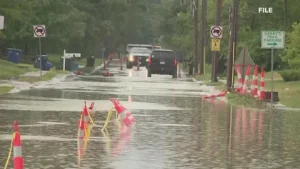
Water used to control a fire can create another layer of damage. Drywall, insulation, carpet, wood flooring, and cabinets may absorb moisture during emergency response.
Standing water should be addressed as soon as safe access is available. Wet materials may need drying, cleaning, or removal depending on their condition.
This is one reason emergency fire restoration in Horizon, TX often includes moisture inspection alongside smoke and soot assessment.
Property owners should also avoid turning HVAC equipment back on until they know it is safe. Air movement may carry smoke residue or odors into areas that were less affected by the original fire.
Common Fire Restoration Mistakes
A frequent mistake is entering damaged areas too soon. Fire can weaken structural materials, damage electrical components, and create unsafe debris.
Another mistake is focusing only on burned surfaces. Smoke can move through doors, vents, wall openings, and connected spaces.
Homeowners may also create problems by throwing away damaged items before documenting them, aggressively scrubbing soot, using household fragrances to cover smoke odors, or ignoring water left from firefighting efforts.
Insurance documentation can also become harder when property owners begin major cleanup before recording visible conditions.
Best Practices After Fire Damage
Start by following instructions from emergency officials. Do not enter restricted areas simply to retrieve belongings.
Document visible damage with photographs and notes once safe access is allowed. Keep damaged items available for evaluation when practical instead of immediately disposing of everything.
Separate urgent stabilization from permanent repairs. Open windows, damaged doors, roof openings, or other exposed areas may require temporary protection before reconstruction begins.
Keep records of inspections, temporary housing costs, emergency work, cleanup, and restoration-related communication.
For smoke and fire damage restoration, ask how smoke, soot, water, contents, and structural materials will each be evaluated. A clear process makes it easier to understand what can be restored and what may require replacement.
Actionable Steps Before Restoration Begins
Document the condition first. Photograph affected rooms, damaged belongings, and visible water or soot before major cleanup starts when it is safe to do so.
Ask about hidden moisture. Water can remain underneath flooring or behind finished surfaces even after visible water disappears.
Understand the scope. Find out whether the work covers emergency stabilization, debris removal, smoke cleaning, drying, odor treatment, and reconstruction.
Protect unaffected areas. Restoration planning should consider how debris and residue will be contained while cleanup takes place.
Keep decisions organized. Maintain one file for photographs, reports, receipts, claim information, and contractor documentation.
Conclusion
Professional smoke and fire damage restoration should address the entire recovery picture rather than focusing only on visibly burned materials. Smoke, soot, water, odor, structural damage, and damaged contents can require separate evaluation and treatment.
For property owners in El Paso and Horizon, TX, First Relief provides support related to fire recovery and emergency property damage. Starting with safety, careful documentation, moisture control, and a clear restoration plan can make the recovery process easier to manage and reduce the chance of overlooking secondary damage.
FAQs
1. When should fire restoration begin?
Restoration should begin after emergency responders confirm that the property can be safely accessed. Emergency stabilization and water removal may become priorities soon after access is approved.
2. Can smoke damage spread to rooms that did not burn?
Yes. Smoke and fine residue can move through doorways, ventilation paths, openings, and connected rooms even when flames remained in one area.
3. Why is water removal part of fire restoration?
Firefighting can leave water inside flooring, walls, insulation, and other materials. Drying these areas helps prevent additional moisture-related damage.
4. Should I clean soot myself before professionals arrive?
Avoid aggressive cleaning unless you know the correct method for the affected surface. Improper wiping or cleaning products can spread or set some residues.
5. What does emergency fire restoration usually involve?
The exact scope depends on the fire, but it can include property stabilization, damage assessment, water removal, smoke and soot cleanup, odor treatment, debris removal, and planning for repairs or reconstruction.