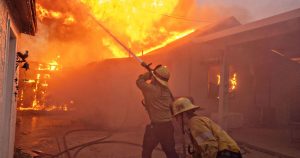
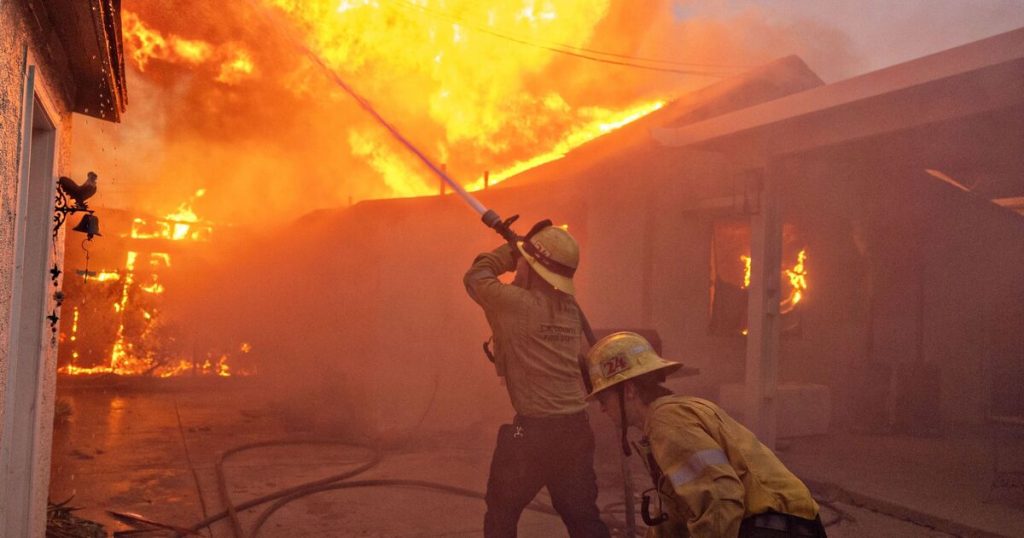
A house fire can change a family’s life within minutes. Beyond the immediate danger, affected homeowners may face damaged belongings, unsafe living conditions, unexpected expenses, and uncertainty about what to do next. For families in El Paso, TX, accessing reliable fire victim relief services can help organize urgent needs and create a clearer path toward recovery.
When unexpected disasters disrupt everyday life, First Relief provides guidance and support for individuals and families affected by fire, flooding, and other emergencies. The nonprofit helps disaster victims understand available resources, connect with experienced professionals, and coordinate important recovery steps.
Choosing professional fire victim assistance Services and disaster recovery support can help families address immediate safety concerns, explore temporary housing options, understand insurance documentation, and identify appropriate restoration resources. Whether a fire causes limited property damage or makes an entire home temporarily uninhabitable, organized support can make the recovery process more manageable.
Why Immediate Fire Victim Relief Is Important
The aftermath of a residential fire often involves several challenges at the same time. Families may need safe accommodation, essential supplies, information about damaged property, and assistance communicating with insurance providers.
Without a clear recovery plan, important tasks can become confusing or delayed.
Addressing Immediate Safety Concerns
Safety should always be the first priority after a fire.
Damaged buildings may contain unstable structural components, exposed electrical systems, hazardous debris, and lingering smoke contamination.
Residents should not reenter affected areas until emergency officials or qualified professionals determine that it is safe.
Finding Temporary Housing and Essential Supplies
A fire may leave a home unsuitable for occupancy, even when some rooms appear relatively undamaged.
Families may need temporary accommodation while inspections, cleanup, and repairs take place.
Emergency relief resources can help affected individuals identify available housing programs and other essential assistance.
Reducing Recovery-Related Stress
Recovering from a disaster involves many decisions, often under difficult circumstances.
Clear guidance can help families prioritize urgent tasks, understand available options, and avoid unnecessary confusion during the early recovery period.
Common Challenges Families Face After a House Fire
Every fire incident is different, but several problems commonly affect households during recovery.
Property Damage and Lost Belongings
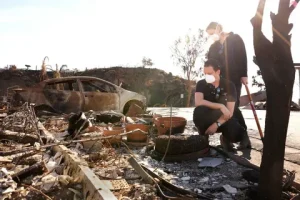
Fire, smoke, soot, and water used during firefighting can damage furniture, clothing, appliances, documents, and building materials.
Some belongings may be recoverable through specialized cleaning, while others may require replacement.
Documenting damaged items before disposal can be important for insurance and recovery records.
Unexpected Living Expenses
Families displaced by fire may face additional expenses for accommodation, meals, transportation, clothing, and basic necessities.
Depending on individual circumstances, insurance coverage or community assistance programs may help with certain expenses.
Insurance Claim Confusion
Understanding policy coverage, deductibles, documentation requirements, and claim procedures can be challenging.
Families should review their policies carefully and maintain records of communications, expenses, and damage assessments.
Coordinating Property Restoration
Fire recovery may require several specialists, including fire damage restoration contractors, electricians, structural professionals, and cleaning teams.
Organizing these services in the correct order can help prevent delays and support safer rebuilding.
Understanding the Fire Disaster Recovery Process
A structured recovery process helps families address immediate needs before moving toward long-term property restoration.
Initial Safety Assessment
The first stage involves confirming that all occupants are safe and following instructions from emergency responders.
Residents should avoid entering damaged structures without authorization.
Any immediate medical needs should receive appropriate attention.
Emergency Property Protection
Fire-damaged properties may require temporary security measures to prevent unauthorized entry or additional exposure.
Depending on the circumstances, qualified professionals may recommend boarding up openings, securing damaged areas, or installing temporary protective coverings.
Temporary Housing Assistance
When a home cannot be occupied safely, families should identify suitable temporary accommodation.
Available options may depend on insurance coverage, household needs, and local assistance programs.
Insurance Documentation and Recovery Planning
Once immediate safety concerns are addressed, property owners can begin organizing photographs, inventories, receipts, and other relevant documents.
A written recovery plan can help track inspections, insurance communication, restoration estimates, and necessary repairs.
Restoration and Rebuilding Coordination
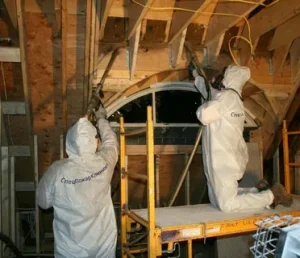
Fire restoration may involve soot removal, smoke odor treatment, water damage mitigation, structural repairs, and reconstruction.
These activities should be performed by appropriately qualified professionals after the necessary inspections and approvals.
Important Benefits of Professional Fire Relief Assistance
Disaster relief support can help families navigate recovery with clearer information and access to relevant resources.
Important benefits include:
- Emergency guidance: Understanding the first steps after a residential fire.
- Temporary housing resources: Exploring suitable accommodation options when a property is unsafe.
- Insurance support: Learning about documentation and claim-related procedures.
- Restoration referrals: Connecting with qualified professionals for property assessments and repairs.
- Essential needs assistance: Identifying available resources for clothing, food, and other necessities.
- Recovery coordination: Organizing immediate priorities and longer-term tasks.
These services can be particularly valuable for families managing displacement, extensive property damage, or complicated recovery requirements.
Trusted Fire Victim Assistance in El Paso, TX
El Paso families affected by residential fires may need immediate assistance with property safety, temporary living arrangements, insurance documentation, and recovery planning.
Individuals seeking trusted emergency fire relief and recovery assistance in El Paso, TX can explore resources designed to help organize the recovery process and connect with appropriate professionals.
A structured approach helps families distinguish between urgent safety concerns and tasks that can be addressed after the property has been assessed.
Local recovery support can also help individuals understand available community resources and identify practical next steps.
Fire Recovery Considerations for Families in Horizon, TX
Families in Horizon, TX, may face similar challenges after residential fires, including property damage, temporary displacement, and unexpected financial responsibilities.
Emergency fire recovery assistance can help households organize essential needs while preparing for inspections, insurance communication, and property restoration.
Homeowners should document visible damage when safe, protect important records, and avoid beginning major cleanup or reconstruction before understanding applicable safety and insurance requirements.
Connecting with experienced recovery professionals can provide useful guidance throughout the process.
How to Prepare for Insurance Claims After Fire Damage
Insurance documentation is an important part of many residential fire recovery situations.
Homeowners should understand their policy requirements and communicate directly with their insurance providers.
Consider these practical recommendations:
- Photograph damaged areas when access is safe.
- Prepare an inventory of affected belongings.
- Keep receipts for temporary accommodation and essential purchases.
- Maintain written records of insurance communications.
- Request clear explanations of coverage limits and exclusions.
- Review restoration estimates carefully.
- Preserve important documents and correspondence.
Insurance coverage varies, so homeowners should not assume that every repair or temporary expense will be reimbursed.
How Fire Damage Can Affect Different Parts of a Property
Residential fires Damage Services in Horizon Tx can cause damage beyond the areas directly exposed to flames.
Smoke and Soot Contamination
Smoke particles may travel through rooms, ventilation systems, and enclosed spaces.
Soot residue can settle on walls, ceilings, furniture, and personal belongings.
Appropriate cleaning methods depend on the affected materials and contamination levels.
Water Damage After Firefighting
Water used to extinguish a fire can affect flooring, drywall, insulation, and structural materials.
When significant moisture remains, professional drying and water damage mitigation may be necessary.
Structural Damage
High temperatures can affect building materials and structural components.Qualified professionals should evaluate suspected structural damage before repairs or reoccupation.
Electrical and Mechanical Concerns
Fire and heat exposure may damage electrical wiring, appliances, and mechanical systems.Affected equipment should be inspected by qualified specialists before use.
How to Choose Reliable Fire Recovery Resources
Finding suitable recovery assistance is important for families dealing with unexpected property damage.
When evaluating relief organizations or restoration professionals, consider:
- Experience with fire-related emergencies
- Clear explanations of available assistance
- Knowledge of local recovery resources
- Appropriate professional qualifications
- Transparent communication about services and costs
- Guidance regarding insurance documentation
- Coordination with qualified restoration contractors
Families should also confirm whether an organization provides direct financial assistance, referrals, consultation, or physical restoration services.
Understanding these distinctions helps establish realistic expectations.
Conclusion
Recovering from a residential fire involves much more than repairing damaged walls and replacing belongings. Families may need immediate safety guidance, temporary housing, essential supplies, insurance information, and coordinated restoration resources.
First Relief supports individuals and families affected by fires and other disasters in El Paso and surrounding communities. Through practical guidance, resource connections, and recovery coordination, the organization helps affected households understand their options and move toward greater stability.
For information about available fire victim assistance, contact First Relief at (915) 999-1066 to discuss your circumstances and explore appropriate recovery resources.
Frequently Asked Questions
What are fire victim relief services?
Fire victim relief services help individuals and families affected by fires address immediate needs and organize recovery. Assistance may involve temporary housing resources, essential supplies, insurance guidance, and referrals to qualified professionals.
What should I do immediately after a house fire?
Ensure everyone is safe, follow emergency responders’ instructions, avoid entering unsafe areas, and arrange temporary accommodation if necessary. Begin documenting damage only when authorities permit safe access.
Can fire relief organizations help with temporary housing?
Some relief organizations help families identify temporary housing resources or connect with appropriate assistance programs. Availability and eligibility depend on individual circumstances and program requirements.
Does fire victim assistance include property restoration?
Fire relief and property restoration are different services. Relief organizations may provide guidance and referrals, while qualified restoration contractors perform specialized cleanup and repair work.
What documents should I keep after a fire?
Keep photographs, insurance records, identification documents, receipts, repair estimates, inventories of damaged belongings, and written communication related to recovery.
How long does recovery after a house fire take?
Recovery time depends on the extent of damage, housing needs, insurance procedures, restoration requirements, and available resources. Minor incidents may require limited repairs, while extensive losses can take several months to resolve.