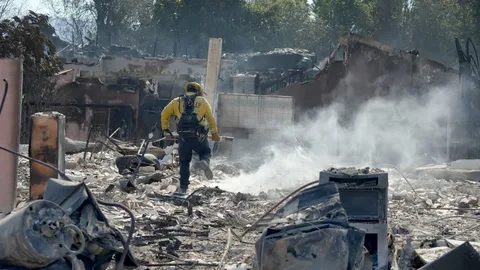
Recovering from a house fire can feel overwhelming, especially during the first few days after the emergency. Fire victim relief services help individuals and families address immediate needs while beginning the recovery process. From finding temporary shelter to replacing essential belongings, these services provide practical support during a difficult time.
Whether the fire causes minor smoke damage or complete property loss, knowing where to seek assistance can reduce stress and help families make informed decisions. Organizations such as First Relief work alongside local resources to connect fire victims with the support they need. Understanding what assistance is available before an emergency occurs can also make recovery more manageable.
Why Fire Victim Relief Services Matter
A fire often affects more than just a building. Families may lose personal belongings, important documents, clothing, medications, and access to safe housing.
Relief services help address immediate concerns by offering:
- Temporary housing assistance
- Food and clothing support
- Emergency financial guidance
- Help replacing essential documents
- Referrals to community resources
- Emotional support and recovery planning
Quick access to these resources allows families to focus on their safety and long-term recovery.
Understanding Fire Victim Relief Services
Recovery usually happens in stages, and different services become important at different times.
Immediate Emergency Response
The first priority is ensuring everyone is safe. Emergency responders secure the property, while relief organizations help with urgent needs.
Immediate assistance may include:
- Temporary shelter
- Meals and drinking water
- Basic hygiene supplies
- Clothing and blankets
- Prescription medication assistance
- Emergency transportation
Short-Term Recovery
After the initial emergency, families begin planning their next steps.
Support may involve:
- Insurance claim guidance
- Housing referrals
- Property cleanup coordination
- Financial assistance programs
- Community resource referrals
Fire Victim Relief Services and Recovery Planning
The recovery process often becomes easier when families organize tasks in order of priority.
Important steps include:
- Contact your insurance provider.
- Secure temporary housing.
- Document property damage with photos.
- Save receipts for emergency expenses.
- Replace identification and important records.
- Keep communication with recovery organizations organized.
Following a structured plan helps reduce confusion during a stressful situation.
The Role of Fire Damage Assistance Services
Many homeowners need more than emergency shelter after a fire. fire victim relief services help connect victims with resources that support long-term recovery.
These services may include:
- Property damage assessments
- Cleanup referrals
- Smoke damage guidance
- Structural safety evaluations
- Financial recovery information
- Community support programs
Each recovery plan depends on the severity of the fire and the family’s individual needs.
When an Emergency Fire Relief Service Can Help
An emergency fire relief service in El Paso, TX focuses on helping victims immediately after a fire occurs.
These services are especially valuable when families need:
- Safe overnight accommodations
- Emergency food assistance
- Essential household supplies
- Crisis support
- Referrals for additional community programs
Receiving help quickly can reduce stress while longer-term recovery plans are developed.
Fire Recovery Timeline
| Recovery Stage | Typical Focus |
| First 24 Hours | Safety, shelter, emergency supplies |
| First Week | Insurance claims, documentation, temporary housing |
| Following Weeks | Cleanup, repairs, financial planning |
| Long-Term Recovery | Rebuilding, emotional recovery, permanent housing |
Every family’s recovery timeline is different, but having a clear plan helps keep the process moving forward.
Best Practices After a House Fire
Taking the right steps early can make recovery smoother.
Consider these best practices:
- Follow instructions from fire officials.
- Avoid entering unsafe structures.
- Photograph all visible damage.
- Keep copies of important paperwork.
- Maintain a record of expenses.
- Contact relief organizations promptly.
- Ask questions before authorizing repairs.
These actions help support both insurance claims and recovery planning.
Common Mistakes to Avoid
During stressful situations, it’s easy to overlook important details.
Avoid these common mistakes:
- Throwing away damaged items too quickly
- Failing to document losses
- Ignoring smoke damage
- Waiting too long to contact insurance
- Forgetting to replace medications
- Hiring contractors without verification
Careful documentation helps prevent delays later in the recovery process.
Actionable Tips for Families
If your home has been affected by fire:
- Create a checklist of immediate needs.
- Gather identification documents.
- Contact family members with updated information.
- Keep emergency phone numbers available.
- Store receipts for all emergency purchases.
- Ask relief organizations about local assistance programs.
Preparation and organization can make recovery less overwhelming.
Conclusion
Recovering from a fire takes time, but Fire damage assistance services provide valuable support throughout the process. From immediate shelter to ongoing fire damage assistance services and access to an emergency fire relief service, these resources help families move toward recovery with greater confidence.
For residents of El Paso, TX, organizations like First Relief play an important role in connecting fire victims with practical assistance and community resources. Understanding the recovery process and seeking help early can make rebuilding life after a fire more manageable.
FAQs
1. What do fire victim relief services provide?
They may offer temporary shelter, food, clothing, emergency supplies, financial guidance, and referrals to community recovery resources.
2. When should I contact a fire relief organization?
As soon as your immediate safety is secured. Early contact can help you access emergency assistance more quickly.
3. Will relief organizations help with insurance claims?
Many organizations provide guidance, documentation tips, or referrals, but insurance claim decisions remain with your insurance provider.
4. What should I save after a house fire?
Keep photographs of damage, insurance paperwork, receipts for emergency expenses, and any remaining important documents.
5. How long does fire recovery usually take?
Recovery varies depending on the extent of the damage. Some families recover within weeks, while major rebuilding projects can take several months.