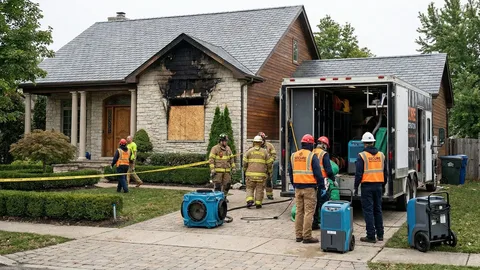
A fire can change a home or business within minutes. After the flames are controlled, property owners often face smoke damage, damaged belongings, structural concerns, and uncertainty about what steps to take next. Choosing Expert Fire Damage Restoration Support helps affected families and businesses understand the recovery process and move forward with a clearer plan.
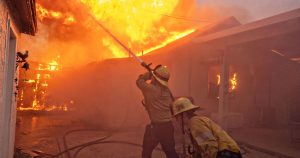
Fire recovery involves more than repairing visible damage. Smoke, soot, heat, and water used during firefighting efforts can affect areas that were not directly touched by flames. Therefore, proper evaluation and organized recovery steps are important for protecting the property.
First Relief provides support for families and businesses affected by fire, flood, and other disasters. The organization helps people understand their options, connect with recovery resources, and take the next steps after unexpected property damage.
Many people feel overwhelmed after a disaster because they are unsure where to begin. Moreover, quick decisions may be necessary while dealing with emotional stress and property concerns.
A structured recovery approach can make the process easier. From understanding immediate needs to connecting with trusted professionals, proper support helps families focus on rebuilding their lives after a fire.
Understanding Fire Damage Recovery Support
Fire damage affects more than the area where flames were present. Smoke, soot, moisture, and heat can create additional problems throughout a property. A professional recovery process helps identify these issues and organize the next steps.
Why Professional Fire Support Matters
A Reliable Fire Damage Restoration Support process begins with understanding the condition of the property. Professionals evaluate damage, identify urgent needs, and help create a recovery plan.
Important recovery steps may include:
- Assessing fire and smoke damage.
- Documenting affected areas.
- Identifying immediate safety concerns.
- Coordinating cleanup and restoration resources.
- Helping families understand available recovery options.
Additionally, fire damage often creates emotional and practical challenges. Families may need temporary housing, essential supplies, and guidance while repairs are planned.
Smoke damage can spread throughout a building even when flames are limited to one area. Therefore, addressing soot, odors, and damaged materials quickly can help reduce further complications.
A professional support system provides direction during a difficult time. Instead of managing every detail alone, property owners can receive assistance with organizing their recovery journey.
Choosing the Right Fire Recovery Assistance
After a fire, selecting the right support resources can make a major difference. Property owners need clear communication, dependable guidance, and a structured approach to recovery.
Factors to Consider During Fire Recovery
An Experienced Fire Damage Restoration Support provider helps families understand what happens after a disaster. Every situation is different, so recovery plans should match the specific needs of the property and occupants.
Important considerations include:
- Understanding the extent of damage.
- Reviewing available recovery resources.
- Protecting remaining belongings.
- Organizing documentation.
- Planning the next repair steps.
Fire recovery often involves several stages. These may include emergency assistance, cleanup coordination, property assessment, and restoration planning.
Moreover, working with experienced professionals helps reduce confusion. Clear guidance allows homeowners to make informed decisions instead of reacting under pressure.
For homeowners needing immediate assistance, Emergency Fire Relief Service in El Paso, TX provides support for families dealing with fire-related emergencies.
A reliable recovery process focuses on both property needs and personal challenges. Helping families regain stability is an important part of moving forward after a fire.
Managing Smoke and Fire-Related Damage
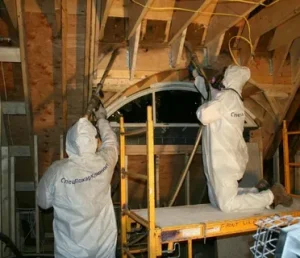
Fire damage does not stop after the flames are gone. Smoke particles and soot can continue affecting walls, furniture, clothing, and personal belongings if they are not addressed properly.
Steps Involved in Fire Recovery
An Affordable Fire Damage Restoration Support approach focuses on organizing recovery from the earliest stages. Proper planning helps reduce additional damage and creates a clearer path toward restoration.
Common recovery steps include:
- Inspecting smoke and soot damage.
- Separating damaged and salvageable items.
- Removing debris when appropriate.
- Addressing moisture from firefighting efforts.
- Coordinating restoration services.
Smoke can travel through ventilation systems and settle in different parts of a property. Therefore, professional assessment is important even when some areas appear unaffected.
Many families also experience damage to personal belongings. Clothing, furniture, electronics, and important documents may require special attention after a fire.
Additionally, fire recovery involves more than physical repairs. Families often need help understanding available resources and deciding what actions should happen first.
A well-organized recovery plan helps reduce stress and allows property owners to focus on restoring normal routines.
Emergency Support After a Fire Incident
The first hours after a fire are often the most challenging. Families may need immediate assistance while dealing with property damage and temporary displacement.
Providing Immediate Recovery Guidance
A Professional Emergency Fire Relief Service helps affected individuals understand their immediate needs after a disaster. Quick access to support can provide stability during uncertain moments.
Immediate needs may include:
- Temporary housing guidance.
- Clothing and essential supplies.
- Recovery information.
- Property safety recommendations.
- Connection with trusted professionals.
Additionally, families may need assistance understanding insurance-related steps and documentation requirements. Keeping records of damage can help during the recovery process.
A fire can disrupt everyday life quickly. Therefore, having access to organized support helps families address urgent concerns before focusing on long-term repairs.
Professional guidance does not replace the restoration process. Instead, it helps connect affected individuals with the right resources and information needed to continue recovery.
For families affected by fire emergencies, timely support can make the difference between confusion and having a clear recovery direction.
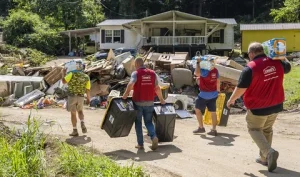
Supporting Families Through Disaster Recovery
Disasters affect people emotionally as well as physically. Families may lose important belongings, experience temporary displacement, and face difficult decisions about rebuilding.
Creating a Clear Path Forward
A Trusted Fire Recovery Assistance approach helps families understand their options after a major loss. Recovery support focuses on providing direction, resources, and practical next steps.
Important parts of recovery support include:
- Understanding available resources.
- Organizing immediate priorities.
- Connecting with qualified professionals.
- Managing recovery information.
- Planning for long-term restoration.
Moreover, every family experiences disaster differently. Some may need temporary support, while others may require extensive property recovery assistance.
Clear communication is essential during this process. Families should understand what steps are available and what actions may help protect their property and belongings.
Support after a disaster can provide confidence during a stressful period. A structured approach allows families to focus on rebuilding instead of feeling overwhelmed by uncertainty.
Recovery is a process, and having proper guidance can make each stage easier to manage.
Preparing for Future Fire Emergencies
While no one can predict when a fire may happen, preparation can help families respond more effectively. A simple emergency plan can reduce confusion during a crisis.
Steps to Improve Disaster Preparedness
A Certified Fire Damage Restoration Support resource helps property owners understand recovery options before and after an emergency.
Helpful preparation steps include:
- Keeping important documents organized.
- Creating emergency contact lists.
- Maintaining insurance information.
- Preparing essential supply kits.
- Knowing local emergency resources.
Additionally, homeowners should regularly check safety equipment such as smoke detectors and fire prevention systems.
Preparation does not prevent every emergency, but it can help families respond with more confidence. Knowing what steps to take after a disaster creates a stronger foundation for recovery.
For families needing broader disaster assistance, Disaster Recovery Support in Horizon, TX can help organize recovery resources after fire, flood, and other emergencies.
A prepared approach helps protect both people and property. When emergencies happen, having a plan allows families to focus on safety and recovery.
Conclusion
Fire damage can create serious challenges for families and businesses. Beyond the visible destruction, smoke, soot, moisture, and emotional stress can make recovery difficult without proper guidance.
Professional fire recovery support helps property owners understand what steps to take after an emergency. From organizing immediate needs to connecting with trusted resources, a structured approach makes the recovery process easier to manage.
El Paso families facing fire-related challenges need dependable assistance that focuses on both practical and personal recovery needs. Quick action, clear information, and professional guidance can help reduce uncertainty during difficult situations.
For families needing reliable support after a disaster, Expert Fire Damage Restoration Support in El Paso, TX provides a pathway toward understanding recovery options and moving forward.
Overall, recovery after a fire requires patience, planning, and the right resources. With proper support, families can begin rebuilding their homes, routines, and sense of stability.
FAQ’s
What should I do immediately after a fire damages my property?
Make sure everyone is safe, avoid unsafe areas, contact emergency services if needed, and seek professional recovery guidance.
Does fire damage include smoke and soot problems?
Yes. Smoke and soot can spread beyond the burned area and affect walls, furniture, and personal belongings.
How can disaster support help after a fire?
Support can help families understand recovery steps, connect with resources, and organize their next actions.
Why is quick action important after fire damage?
Quick action helps reduce additional damage and allows recovery planning to begin sooner.
Can fire recovery support help with temporary needs?
Yes. Families may receive guidance related to essential needs, resources, and recovery planning after a disaster.