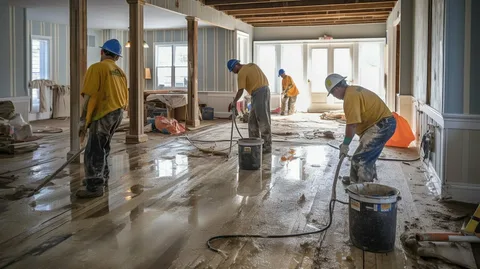
Water damage can spread quickly through flooring, drywall, cabinets, insulation, and personal belongings. Therefore, acting quickly can help limit secondary damage and make the restoration process easier to manage. A reliable 24/7 water damage restoration response gives property owners a way to address an emergency before hidden moisture creates additional problems.
First Relief helps families and businesses affected by disasters by providing guidance and connecting them with trusted local recovery professionals. The organization focuses on fire, flood, and disaster victim support in El Paso and explains how prompt action can help protect property and reduce unnecessary delays.
Water emergencies can happen at any hour. A burst supply line, appliance leak, storm intrusion, or flooding event can leave standing water inside a property overnight. Consequently, waiting until regular business hours may allow moisture to move farther into building materials.
However, not every water emergency requires the same response. Clean water from a broken supply line differs from contaminated floodwater. The source, affected area, exposure time, and building materials all influence the restoration plan.
Professional restoration can include water extraction, moisture assessment, structural drying, dehumidification, cleaning, and preparation for repairs.
What Happens During Water Damage Assessment
A proper assessment helps determine how far water has traveled. Visible puddles show only part of the problem because moisture can move beneath flooring, behind walls, and into other concealed spaces.
Finding Visible and Hidden Moisture
Reliable 24/7 water damage restoration services begins with an inspection of affected areas. Technicians can identify the water source, evaluate the extent of damage, and check materials that may remain damp below the surface.
Five practical assessment points include:
- Identify and stop the water source when possible.
- Check flooring and lower wall areas for moisture.
- Inspect cabinets and other porous materials.
- Look for moisture beneath or behind affected surfaces.
- Document visible damage before major cleanup.
Moreover, moisture meters can help identify damp areas that do not look wet. This matters because hidden moisture may remain inside drywall, subfloors, insulation, or wall cavities.
First Relief’s flood recovery information describes property assessment, moisture checks, water extraction, controlled drying, damaged-material removal, and cleaning as parts of the recovery process.
The assessment also helps determine what can potentially be dried and restored. Some materials may recover after proper drying, while severely damaged or contaminated materials may require removal.
Therefore, homeowners should avoid assuming that every wet material needs immediate replacement. A careful evaluation can provide a more informed decision.
Water Extraction and Structural Drying
Removing standing water is only the first stage. After extraction, remaining moisture must be addressed so affected materials can dry properly.
Why Professional Drying Matters
Expert water extraction services can remove large amounts of standing water more efficiently than ordinary household equipment. First Relief’s flood-related service information identifies extraction, moisture detection, air movers, dehumidifiers, and controlled drying as important parts of water recovery.
Five areas require close attention:
- Standing water on floors and carpets.
- Moisture beneath flooring.
- Damp drywall and baseboards.
- Wet insulation or wall cavities.
- Excess humidity inside affected rooms.
Furthermore, drying should not rely only on how a surface feels. A floor may appear dry while moisture remains underneath it.
Professional structural drying services use equipment and moisture checks to address these hidden conditions. Air movers encourage evaporation, while dehumidifiers help control moisture in the indoor environment.
The EPA advises drying wet materials as soon as possible and notes that mold can develop when materials remain damp for too long. Therefore, prompt extraction and drying can play an important role in limiting additional problems.
However, safety comes first. Floodwater can involve contaminants or electrical hazards. Homeowners should avoid entering unsafe areas and should not handle wet electrical equipment.
Water Damage Restoration in El Paso, TX
Local property owners may face water damage from plumbing failures, appliance leaks, storms, or flooding. Each situation can affect a property differently, so restoration should reflect the source and extent of the damage.
Responding to Local Water Emergencies
Homeowners looking for water damage restoration in El Paso, TX should focus on prompt assessment and controlled drying. First Relief’s El Paso flood recovery page discusses water extraction, moisture checks, drying, damaged-material removal, cleaning, and preparation for repairs.
Five practical steps can help after water enters a property:
- Shut off the water source if it is safe.
- Keep people away from unsafe areas.
- Photograph visible damage.
- Contact the appropriate restoration professionals.
- Notify the insurance provider when appropriate.
Additionally, emergency water damage cleanup in El Paso, TX may involve more than removing visible water. Hidden moisture can remain beneath floors, inside walls, and around cabinets.
The water source also matters. A clean plumbing leak and outdoor floodwater may require different cleaning and safety procedures. Therefore, property owners should explain where the water came from when requesting assistance.
First Relief’s disaster recovery information states that its support covers water damage, fire recovery, storm damage, mold remediation, structural restoration, cleaning, and related recovery needs.
A local response can also make communication easier during a stressful emergency. Clear documentation and a structured plan help property owners understand what happens next.
Preventing Secondary Water Damage
The initial water event may be sudden, but secondary damage can develop afterward. Moisture that remains inside building materials can create additional concerns over time.
Protecting Materials After Water Intrusion
Reliable water damage cleanup should focus on removing moisture rather than simply making affected rooms look clean. Drying, moisture monitoring, cleaning, and material evaluation all contribute to a more complete recovery.
Five practical priorities include:
- Remove standing water promptly.
- Dry affected materials thoroughly.
- Control indoor humidity.
- Inspect concealed areas for moisture.
- Remove materials that cannot be safely restored.
Moreover, porous materials can absorb water quickly. Carpet padding, drywall, insulation, wood, and upholstered furniture may require careful evaluation.
Water mitigation services can help reduce the spread of damage by addressing moisture before it affects additional materials. The website’s flood recovery content explains that quick extraction and drying can reduce the chance of long-term problems.
Cleaning also matters when floodwater contains contaminants. The source of the water determines what protective measures and cleaning procedures may be appropriate.
Meanwhile, homeowners should avoid covering damp materials before they have dried. Trapping moisture can make drying more difficult.
Finally, ongoing moisture checks can confirm whether affected areas are actually dry. This approach is more reliable than judging the condition by appearance alone.
Choosing the Right Restoration Support
A water emergency can create confusion, especially when homeowners are unsure who to contact first. A structured recovery process can make the situation easier to manage.
Questions to Consider Before Hiring Help
Best emergency water restoration services should provide clear information about the assessment, extraction, drying, documentation, and next steps.
Five useful questions include:
- How will the affected areas be inspected?
- What equipment will be used for water extraction?
- How will hidden moisture be detected?
- How will drying progress be monitored?
- What documentation will be provided?
Furthermore, property owners should understand whether the provider performs restoration directly or connects them with local specialists. First Relief describes its role as connecting affected families and businesses with trusted local experts, programs, and resources that fit their recovery needs.
Insurance documentation can also become important. Photographs, moisture records, estimates, and inventories may help explain the extent of property damage to an insurance provider.
24/7 flood recovery support in Horizon, TX can be particularly useful when an emergency happens outside normal working hours. However, availability does not replace proper safety procedures.
Property owners should also avoid making major repairs before the damage has been documented when possible. Instead, secure the area, address immediate safety concerns, and obtain professional guidance.
Conclusion
Water damage can affect a property much faster than many homeowners expect. Standing water can move beneath flooring, soak drywall, enter cabinets, and reach hidden areas that are difficult to identify without proper inspection.
Therefore, the first priority should be safety and prompt assessment. Once the property is safe to access, water extraction can remove standing moisture, while professional drying can address water that remains inside building materials.
For homeowners seeking reliable 24/7 water damage restoration in El Paso, TX, a structured response can make the recovery process easier to understand. The appropriate approach depends on the water source, affected materials, contamination level, and amount of moisture present.
First Relief’s recovery information emphasizes assessment, water extraction, drying, moisture control, cleaning, and coordination with trusted restoration professionals.
It is also helpful to document the damage early. Photos, descriptions, moisture information, and repair estimates can provide useful records during the recovery process.
Overall, prompt action can help reduce unnecessary delays and limit the chance of additional property damage. Professional evaluation also helps determine which materials can be dried and restored and which may require replacement.
FAQ’s
How quickly should water damage cleanup begin?
Cleanup should begin as soon as the property is safe to enter. Prompt extraction and drying can help limit the spread of moisture and reduce the risk of additional damage.
What does water damage restoration include?
It may include inspection, water extraction, moisture detection, structural drying, dehumidification, cleaning, damaged-material removal, and preparation for repairs.
Can hidden moisture remain after standing water is removed?
Yes. Water can remain beneath flooring, inside drywall, behind cabinets, or within wall cavities. Moisture detection equipment can help locate these areas.
Should I photograph water damage before cleanup?
When it is safe, documenting affected rooms and belongings before major cleanup can provide useful records. Insurance providers may also request documentation of the loss.
Can every water-damaged material be restored?
Not always. Some materials can be dried and cleaned, while severely damaged or contaminated materials may require removal. A professional assessment can help determine the appropriate approach.