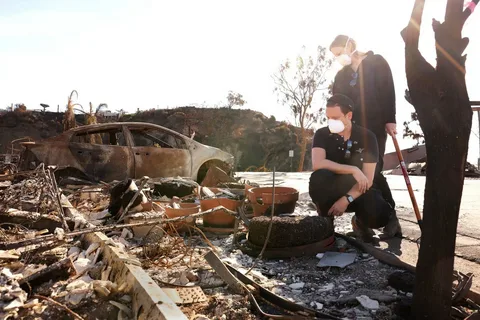
A house fire can turn an ordinary day into a long list of urgent decisions. Families may need somewhere to sleep, replacement medications, secure property, important documents, and clear information about what happens next. During those first difficult hours, compassionate fire victim relief services can help bring order to a situation that suddenly feels uncertain.
First Relief is a nonprofit organization supporting people affected by fire, flood, and trauma in the El Paso area. Its role centers on guidance, coordination, resources, and helping affected families connect with appropriate recovery support.
Fire recovery involves more than repairing a damaged building. Families may also face temporary displacement, insurance questions, lost essentials, safety restrictions, and decisions about belongings. Therefore, knowing which needs should receive attention first can reduce confusion.
This guide focuses on the practical side of recovery. It explains how relief services can support immediate safety, temporary housing, documentation, property protection, and the transition toward longer-term recovery in El Paso and Horizon.
The First Hours After a Fire Are About Stability
Once firefighters finish emergency operations, families may feel pressure to solve everything immediately. However, the first goal should be creating a safe and manageable starting point.
Focus on People Before Property Decisions
Responsive emergency fire relief service support can help families identify what needs attention first. Safe shelter, medications, clothing, transportation, and communication may matter more than discussing repairs during the first few hours.
At the same time, practical fire recovery support can help organize questions that otherwise arrive all at once. Families may need to know whether they can enter the property, where they can stay, and what documents they should save.
Early priorities often include:
- Confirming everyone has a safe place to stay.
- Replacing urgent medications or essential items.
- Keeping important contact information together.
- Following instructions about property access.
- Writing down immediate expenses.
Local disaster relief services can also connect affected residents with community programs or other resources when additional help is needed.
The goal is not to complete recovery on day one. Instead, families should create enough stability to make later decisions more carefully.
Securing the Property Can Prevent Additional Loss
Fire damage may leave doors, windows, roofs, or other areas exposed. Even when the flames are out, an unsecured structure can face weather exposure, unauthorized entry, or further property loss.
Before cleanup or rebuilding begins, the damaged building may need basic protective measures.
Property Protection Is Part of Early Recovery
Specialized fire victim relief services can help affected residents understand the early steps involved in securing a fire-damaged property.
Dependable fire damage assistance services may include guidance around board-up needs, property access, documentation, and coordination with professionals who can handle physical restoration work.
First Relief states that it helps with board-up and emergency-response needs and provides guidance related to city compliance after a fire.
Property owners should consider:
- Open windows or damaged doors.
- Roof or wall openings.
- Exposed belongings.
- Utility shutoffs.
- Restrictions on re-entering the building.
Meanwhile, organized fire recovery support can help families keep security tasks separate from insurance, housing, and personal-needs decisions.
Securing a property does not restore it. However, it can protect what remains while inspections, documentation, and recovery planning continue.
Temporary Housing Deserves Early Attention
A home does not need to be completely destroyed to become temporarily unlivable. Smoke, water, structural concerns, utility shutoffs, or restricted access can make overnight occupancy impractical.
Finding somewhere safe to stay can give families breathing room while property decisions continue.
Short-Term Housing Creates Room to Plan
Families seeking temporary housing assistance in El Paso, TX may need support immediately after a fire, especially when an incident occurs after normal business hours.
Immediate temporary housing assistance can help displaced residents focus on basic safety rather than trying to solve property repairs and accommodation at the same time.
First Relief says its support can include same-day temporary housing when insurance resources are unavailable after hours or on weekends.
Families should keep records of:
- Hotel or temporary accommodation expenses.
- Meals purchased because the home is unusable.
- Transportation costs related to displacement.
- Replacement clothing or toiletries.
- Other emergency purchases.
Helpful disaster relief services may also connect families with additional community resources when displacement lasts longer than expected.
Temporary housing is not separate from recovery planning. A stable place to sleep can make insurance conversations, documentation, and next-step decisions easier to handle.
Documentation Can Make the Recovery Process Clearer
After a fire, people often rely on memory while dealing with stress. Unfortunately, details about damaged belongings, emergency expenses, phone conversations, and property conditions can become difficult to remember later.
Simple documentation can create a useful record.
Build One Recovery File From the Beginning
Thorough fire damage assistance services should encourage families to keep important information organized rather than scattered across text messages, papers, and different phones.
For example, take photographs when authorities permit safe access. Keep receipts and write down important calls, names, dates, and instructions.
A basic recovery file may include:
- Photos of visible property damage.
- A list of damaged belongings.
- Emergency expense receipts.
- Insurance correspondence.
- City or safety documents.
Steady fire recovery support can also help families understand which questions to ask as they move from emergency response toward restoration.
First Relief provides policy-review guidance and information related to insurance, permitting, and mortgage-company requirements.
Good records cannot remove the difficulty of a fire loss. However, they can reduce uncertainty when several organizations need the same information during different stages of recovery.
Lost Essentials Should Not Be Treated as Small Problems
Fire losses often affect ordinary items that become urgent once they are gone. Identification, medication, clothing, pet supplies, chargers, school materials, and work essentials may all need replacement.
These needs deserve attention alongside property recovery.
Restore Everyday Function One Need at a Time
Accessible disaster relief services can be valuable when families need help finding programs for essential replacement items.
First Relief states that it connects affected residents with funding resources and can help coordinate medication replacement through local programs and partnerships.
People may need help replacing:
- Prescription medication.
- Identification documents.
- Basic clothing.
- Personal-care products.
- Child or pet necessities.
Supportive temporary housing assistance can also become part of this stage when a family cannot safely return home.
Meanwhile, practical fire damage assistance services may help families separate urgent personal needs from longer-term property concerns.
Trying to replace everything at once can become overwhelming. A better approach is to identify what is needed today, what can wait several days, and what belongs in the longer recovery plan.
Moving From Immediate Relief to Long-Term Recovery
The first night after a fire looks very different from the weeks that follow. Once basic needs are covered, attention gradually shifts toward property restoration, insurance decisions, finances, and rebuilding normal routines.
Relief services can help families understand that transition.
Recovery Works Better When the Next Step Is Clear
Residents seeking emergency fire relief service in Horizon, TX may need immediate guidance first and broader recovery resources later.
Reliable fire victim relief services can help families identify suitable professionals and programs rather than trying to coordinate every part of recovery alone.
First Relief describes its process as learning about the family’s situation, matching people with appropriate experts and resources, and helping them understand the next steps.
Longer-term planning may involve:
- Understanding restoration options.
- Following up on insurance matters.
- Reviewing temporary living needs.
- Replacing important belongings.
- Coordinating rebuilding resources.
Ongoing emergency fire relief service guidance can remain useful when new questions appear after the initial emergency has passed.
Recovery rarely follows one perfect timeline. However, breaking it into manageable stages can help families focus on the decision directly in front of them instead of every remaining problem at once.
Conclusion
A fire can affect housing, finances, belongings, routines, and a family’s sense of stability at the same time. For that reason, recovery support should address people as well as property.
Experienced fire damage assistance services can help families understand early priorities and connect with appropriate resources. Timely temporary housing assistance can provide a safe place to stay while access to the home remains limited.
Likewise, community-focused disaster relief services may help residents locate essential supplies, funding resources, or other forms of support. As the situation becomes more stable, consistent fire recovery support can help organize the transition toward insurance matters, restoration, and longer-term decisions.
First Relief supports fire, flood, and trauma victims across the El Paso area through guidance, resource coordination, emergency assistance, and connections to recovery professionals.
The most useful recovery plan does not try to solve every problem at once. It begins with safety and shelter, then moves toward property security, documentation, essential replacements, and long-term recovery.
Families in El Paso and Horizon can make the process more manageable by working through those priorities in a clear order and asking for appropriate support when they need it.
FAQ’s
What do fire victim relief services help with?
They may provide recovery guidance, resource coordination, temporary housing support, essential-needs assistance, property-security information, and connections with appropriate professionals.
What should I do first after leaving a fire-damaged home?
Make sure everyone has safe accommodation and essential medication. Then follow official instructions regarding re-entry and begin documenting important expenses and property information.
Can fire victims receive help finding temporary housing?
Yes. Depending on the situation and available resources, relief organizations, insurance providers, or community programs may help with temporary accommodation.
Why should I keep receipts after a fire?
Receipts create a record of emergency expenses such as lodging, food, transportation, clothing, and replacement essentials. They may be useful during insurance or assistance discussions.
Does First Relief perform every part of property restoration itself?
Its website describes First Relief as a nonprofit that provides consultation, coordination, resources, and connections to trusted experts and programs rather than presenting every recovery need as one direct service.