
A fire, flood, or other property emergency can leave a family facing several urgent decisions at once. Reliable emergency disaster recovery services can help organize those first steps, identify immediate needs, and connect affected households with appropriate recovery resources. The priority should always be safety, followed by housing, essential belongings, documentation, and a clear plan for what happens next.
First Relief is a nonprofit organization that supports families affected by fire, flood, and traumatic property events across the El Paso area. Its approach centers on guidance, resource coordination, temporary needs, and helping victims understand their recovery options.
Recovery rarely involves one decision. Families may need a safe place to stay, replacement medications, insurance information, property security, clothing, transportation, or professional restoration resources.
Therefore, a structured response can reduce confusion during an already difficult period. This guide explains practical recovery priorities for families in El Paso and nearby Horizon while focusing on safety, documentation, temporary needs, and informed decision-making.
Start With Immediate Safety and Essential Needs
The first hours after a disaster should focus on people rather than property. Firefighters, emergency responders, or other qualified authorities should determine when a damaged building is safe to approach or enter.
Create a Short List of Urgent Priorities
Families often benefit from separating immediate needs from tasks that can wait.
Five early priorities include:
- Confirm that every occupant has a safe place to stay.
- Keep identification, medications, phones, and chargers accessible.
- Follow official instructions about entering the property.
- Record important contact and insurance information.
- Identify urgent needs for food, clothing, pets, or transportation.
Disaster recovery planning becomes easier when these tasks are handled in a logical order.
For example, retrieving damaged belongings should not take priority over building safety. Likewise, families who cannot safely return home may need accommodation before they can focus on longer-term property decisions.
The emotional pressure following a disaster can also make details difficult to remember. Therefore, writing down questions, contact names, dates, and next steps can make the recovery process easier to manage.
Understand What Recovery Support Can Provide
Families sometimes expect one organization to handle every part of disaster recovery. In practice, recovery may involve emergency agencies, insurers, contractors, community programs, housing providers, and other specialists.
Coordination Can Reduce Recovery Confusion
Emergency disaster recovery services can help affected households understand immediate priorities and organize the next stages after fire, flooding, storms, or unexpected property loss. First Relief describes its support as practical guidance, emergency resources, and assistance with coordinating recovery steps.
Five areas may need attention:
- Temporary living arrangements
- Property documentation
- Essential household needs
- Cleanup or restoration coordination
- Insurance and recovery information
This support should help families understand their options rather than create more uncertainty.
Additionally, circumstances differ from one household to another. A small water loss may allow residents to remain home, while a serious fire can require immediate relocation and extensive coordination.
A useful recovery plan should reflect the actual incident, household needs, and available resources.
Respond Carefully After Residential Fire Damage
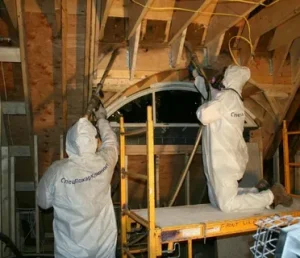
A house fire can affect much more than the room where flames were present. Smoke, soot, firefighting water, damaged belongings, utility shutdowns, and building access restrictions may all become part of recovery.
Fire Recovery Happens in Several Stages
Families seeking trusted emergency disaster recovery services after a fire should avoid rushing into damaged spaces or discarding belongings before understanding what documentation may be needed.
Five practical steps include:
- Wait for authorization before entering the building.
- Photograph visible damage when conditions are safe.
- Keep damaged belongings documented before disposal.
- Ask about property security if doors or windows are exposed.
- Identify immediate housing and personal needs.
Emergency fire relief may also include help locating basic necessities or temporary resources while longer-term decisions are organized.
First Relief states that its support can include board-up assistance, temporary housing, policy guidance, city compliance information, and connections to funding resources after qualifying emergencies.
Consequently, families can focus first on safety and stability before moving toward repair and rebuilding decisions.
Take a Structured Approach After Flooding
Flooding can disrupt a household even when the water appears limited to one part of the building. Wet flooring, drywall, belongings, electrical components, or inaccessible rooms can quickly change normal routines.
Separate Personal Recovery From Property Cleanup
Property owners should first determine whether the building is safe to occupy. Then, they can begin organizing documentation and professional evaluation.
Five useful actions include:
- Photography affected rooms and belongings.
- Avoid unsafe electrical areas.
- Protect identification and important documents.
- Determine whether temporary accommodations are necessary.
- Keep records of recovery-related expenses.
Families seeking professional flood recovery support in El Paso, TX may also need help understanding immediate resources while property drying and repair decisions move forward. The site’s El Paso flood guidance discusses water-related property loss, recovery planning, and the importance of addressing affected materials promptly.
Flood recovery can involve both property and household needs. Therefore, a clear plan should address where the family will stay, what essentials are needed, and who is responsible for each next step.
Plan for Temporary Housing and Essential Resources
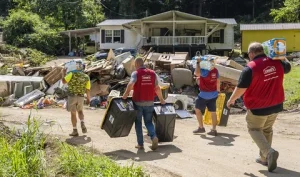
Displacement can become one of the most stressful parts of a serious property emergency. Families may suddenly need somewhere to sleep while also replacing clothing, medications, documents, or other daily necessities.
Focus on Stability Before Long-Term Decisions
Five questions can help organize short-term needs:
- Where will everyone stay tonight?
- Are medications and medical supplies available?
- Do children or pets have immediate needs?
- Which essential documents were lost or damaged?
- What expenses should be documented?
Temporary housing assistance can provide breathing room while families determine what comes next.
First Relief’s victim-assistance questionnaire specifically asks about safe housing, medications, clothing, pet assistance, policy guidance, property security, and other immediate needs.
For families looking for reliable emergency fire relief in Horizon, TX, the site’s fire-relief information identifies Horizon as a nearby community served for fire-related recovery support.
However, temporary arrangements should remain practical. Keep receipts, maintain important contacts, and avoid making rushed long-term property decisions while basic household needs remain unsettled.
Build a Clear Road Map for Longer-Term Recovery
Once immediate safety and housing needs are stable, families can begin organizing the next phase. Experienced emergency disaster recovery services can be most useful when they help turn a complicated situation into manageable steps.
Keep Recovery Decisions Organized
Five practices can support this process:
- Maintain one folder for photos and documents.
- Keep a written record of important conversations.
- Track temporary living and emergency expenses.
- Review available recovery resources carefully.
- Ask questions when responsibilities are unclear.
Property damage assistance may involve several different organizations rather than one provider. Understanding who handles each part can prevent duplicated work or missed steps.
Insurance requirements, mortgage-company procedures, city rules, cleanup decisions, and temporary living needs may all follow different timelines.
Therefore, families should avoid assuming every decision must happen immediately. Some tasks are urgent, while others benefit from careful review.
First Relief describes its role as helping victims understand available support and providing a step-by-step path toward recovery.
A written road map can make that process easier to follow and provide a useful reference when several people or organizations become involved.
Conclusion
Disasters create uncertainty because safety, housing, belongings, property damage, and financial concerns can appear at the same time. A strong recovery approach separates those problems into clear priorities.
The first priority should remain personal safety. After that, families can address temporary housing, essential items, documentation, available resources, and property-related decisions.
Professional guidance can also help families understand which tasks need immediate attention and which decisions can wait. This distinction matters because rushed choices during stressful situations may create more confusion later.
For households in El Paso and Horizon, expert emergency disaster recovery services should provide practical direction based on the circumstances of the incident rather than a one-size-fits-all checklist.
Fire and flood events can create very different needs. Still, both situations benefit from careful documentation, organized communication, realistic planning, and reliable local resources.
First Relief supports affected families by connecting them with guidance and resources during difficult recovery periods. Ultimately, the goal is not to complete every recovery task at once. It is to establish safety, restore stability, understand available options, and take the next appropriate step with greater confidence.
FAQ’s
What should I do first after a serious property disaster?
Make sure everyone is safe, follow emergency responders’ instructions, arrange temporary housing if needed, and begin documenting important information.
Can disaster recovery support help after both fires and floods?
Yes. Recovery assistance can help families organize immediate needs, resources, documentation, housing, and next steps after several types of emergencies.
What documents should I keep during disaster recovery?
Keep photographs, identification, insurance information, receipts, contact records, claim documents, and notes from important conversations together.
What if my family cannot return home after a disaster?
Identify a safe temporary place to stay and ask about available housing or community resources while longer-term recovery plans are developed.
Why is a written recovery plan useful?
A written plan helps separate urgent needs from later tasks. It also makes responsibilities, contacts, expenses, and next steps easier to track.