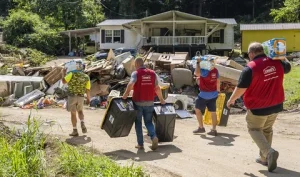
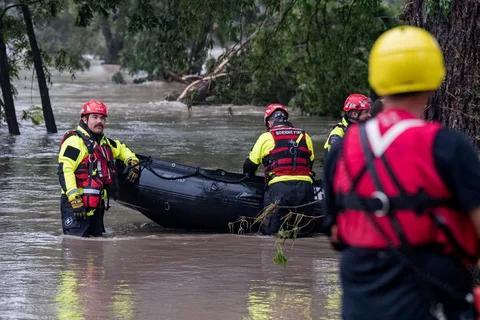
Flood damage can leave families facing several urgent decisions at once. A trusted Flood Victim Relief Service can help property owners understand what needs attention first, organize available resources, and move through recovery with greater clarity. The immediate concern may be property safety, but families may also need temporary housing, documentation, insurance information, and connections with qualified restoration professionals.
Water emergencies can result from plumbing failures, storms, appliance leaks, roof damage, or other unexpected events. However, the recovery process often extends beyond removing water. Homeowners may need to secure the property, document losses, understand insurance requirements, replace essential belongings, and coordinate several services.
First Relief supports families affected by flood, fire, and other traumatic property events by helping them understand recovery steps and connect with appropriate resources. Rather than leaving homeowners to manage every decision alone, organized assistance can create a clearer path forward.
Knowing what to prioritize after a flood can reduce confusion during an already stressful period. This guide explains practical steps for property safety, documentation, housing, insurance, professional coordination, and longer-term recovery.
Prioritize Safety Before Making Recovery Decisions
The first hours after flooding can feel overwhelming. Homeowners may want to enter the property immediately, move belongings, or begin cleaning. However, water damage can create electrical, structural, and contamination concerns.
Before making repair decisions, property owners should determine whether the building is safe to enter.
Assess Immediate Needs in the Right Order
Useful flood recovery assistance should begin with safety and organization rather than cosmetic cleanup.
Important priorities include:
- Confirming whether emergency officials allow safe entry
- Avoiding contact with standing water near electrical systems
- Identifying whether utilities need to remain shut off
- Documenting visible damage when it is safe
- Securing exposed doors, windows, or other openings
Homeowners should also consider the source of the water. A clean plumbing leak presents different concerns from outside flood water or sewage-related contamination.
Additionally, families should avoid discarding damaged belongings too quickly unless they create a clear health or safety risk. Photos, videos, and written records may become useful during later insurance discussions.
The first goal is not to solve every problem immediately. Instead, homeowners should establish a safe starting point and create a record of what happened.
That organized approach helps support better decisions as restoration professionals, insurance representatives, and other recovery resources become involved.
Understand What Flood Victim Relief Support Provides
Recovering from a serious water event may involve more professionals than homeowners initially expect. Restoration contractors, insurance representatives, utility providers, city departments, housing resources, and other organizations may all become part of the process.
A coordinated support system can help families understand which needs should be handled first.
Connect With the Right Recovery Resources
A professional Flood Victim Relief Service can help affected families organize information and identify resources that fit their situation.
Five areas may require attention:
- Property security and emergency stabilization
- Restoration or mitigation coordination
- Temporary living arrangements
- Insurance and policy questions
- Community or financial support resources
Disaster recovery resources can become especially useful when a household has several immediate needs. For example, a family may need safe lodging while also arranging a property inspection and gathering insurance documents.
The correct next step depends on the severity of the event. A small localized leak may require a simpler response, while widespread flooding can interrupt normal living conditions for a much longer period.
Clear communication matters throughout this stage. Homeowners should keep important phone numbers, claim information, photographs, receipts, and professional recommendations together.
Organized records make it easier to follow progress and reduce the chance that an important recovery step gets overlooked.
Arrange Temporary Housing and Essential Support
A heavily damaged home may not be suitable for immediate occupancy. Electrical shutdowns, structural concerns, extensive moisture, or contamination can make temporary relocation necessary.
Families should consider safe living arrangements early rather than waiting until every property issue has been evaluated.
Plan for Daily Needs During Displacement
First Relief recognizes that disaster recovery also affects everyday routines. Families may need help locating temporary lodging, replacing essential items, or identifying local support while their home remains unavailable.
Practical needs can include:
- Short-term lodging
- Clothing and personal necessities
- Medications
- Identification documents
- Support for displaced pets
Access to temporary housing assistance can reduce pressure while property inspections and recovery work continue.
Homeowners should also keep receipts for lodging, meals, transportation, replacement necessities, and other disaster-related expenses. Depending on the insurance policy and circumstances, some expenses may be relevant when discussing additional living expense coverage.
Families with children, older adults, pets, or medical needs may require additional planning. Therefore, temporary housing should be selected around household needs rather than location alone.
Recovery becomes easier to manage when basic daily needs are stable. Once families have a safe place to stay, they can focus more clearly on property decisions, documentation, and the next stages of restoration.
Secure the Property and Prevent Additional Problems
Flood damage can leave a property vulnerable even after the water source has stopped. Doors may be damaged, windows may break, utilities may be disconnected, and wet building materials may require professional attention.
Therefore, property protection remains an important part of early recovery.
Coordinate Property Security and Professional Help
A reliable Flood Victim Relief Service can help homeowners understand what types of professional support may be needed after the initial emergency.
Five practical considerations include:
- Securing accessible openings
- Limiting unauthorized entry
- Confirming utility conditions
- Coordinating professional damage assessment
- Identifying urgent restoration needs
Homeowners seeking emergency flood support in Horizon, TX should avoid making major structural or electrical decisions without appropriate professional guidance.
Water can travel into flooring systems, walls, cabinets, and other areas that are not immediately visible. Consequently, a property may require inspection even when standing water has already disappeared.
Property owners should also understand local requirements when an event affects utilities or the building’s safe occupancy. Depending on the situation, permits, inspections, or other compliance steps may become necessary before normal use resumes.
A structured response helps homeowners protect the property while allowing qualified professionals to determine what can be cleaned, repaired, restored, or replaced.
Organize Insurance Information and Damage Documentation
Insurance can become one of the most confusing parts of flood recovery. Policies vary, coverage depends on the cause of damage, and homeowners may need to provide detailed documentation.
For that reason, keeping accurate records from the beginning can make later conversations easier.
Build a Clear Record of the Loss
Useful insurance claim guidance starts with understanding the policy rather than assuming every type of water damage receives the same coverage.
Homeowners should organize:
- Photos and videos of affected areas
- A list of damaged belongings
- Dates and details surrounding the incident
- Emergency service invoices
- Temporary living expense receipts
For homeowners seeking flood recovery assistance in El Paso, TX, keeping these records in one place can create a more organized recovery timeline.
Property owners should also read their policy and ask questions when terms are unclear. Coverage for the building, personal belongings, and temporary living costs may fall under different parts of a policy.
Moreover, homeowners generally benefit from understanding their options before authorizing major restoration decisions.
First Relief helps families navigate recovery information and understand available resources during difficult property-loss situations.
Good documentation does not eliminate every insurance challenge. However, it provides a clearer factual record that homeowners can reference throughout the claim and recovery process.
Create a Practical Road Map for Long-Term Recovery
Flood recovery does not always end when the immediate emergency passes. Major damage may require drying, cleaning, repairs, replacement materials, inspections, insurance coordination, and temporary living arrangements.
A clear road map can help families understand which steps depend on others.
Keep Each Stage of Recovery Connected
A professional Flood Victim Relief Service should help affected property owners focus on practical next steps rather than trying to handle every issue simultaneously.
Five useful recovery stages include:
- Confirming immediate safety
- Documenting property and contents damage
- Connecting with appropriate professionals
- Reviewing financial and insurance resources
- Planning repairs and return to normal occupancy
Professional disaster recovery resources can also help families identify needs that may not appear during the first day.
For example, replacement medications or important documents may become urgent after the household has relocated. Meanwhile, mortgage requirements or insurance paperwork may affect later repair decisions.
Communication remains important throughout the process. Homeowners should keep notes about conversations, appointments, inspections, estimates, and completed work.
A written timeline can also make a complicated recovery easier to understand. It shows what has already happened and what still requires attention.
Flood recovery often involves many moving parts. Connecting those stages helps homeowners make decisions based on current information rather than reacting to each new issue independently.
Conclusion
Flood damage can affect far more than flooring, walls, and personal belongings. It can temporarily disrupt housing, finances, routines, and the sense of security families normally have at home.
An experienced Flood Victim Relief Service can help homeowners organize the recovery process by identifying immediate priorities and connecting them with relevant support. Safety, property protection, documentation, housing, insurance information, and professional restoration coordination all deserve attention.
For families in El Paso and Horizon, the first step should be understanding the conditions at the property and avoiding unnecessary risks. From there, documentation and clear communication can support better decisions.
Homeowners should also remember that recovery does not need to happen all at once. Stabilizing daily living conditions may come before repair decisions. Likewise, understanding insurance requirements can help families plan restoration work more confidently.
Emergency support, temporary housing assistance, and clear information can reduce some of the uncertainty that follows a major flood.
Ultimately, First Relief focuses on helping disaster-affected families understand their options and find appropriate resources. A structured recovery plan gives property owners a clearer path from the first emergency decisions toward rebuilding stability and returning to normal routines.
FAQ’s
What should homeowners do first after serious flood damage?
Focus on personal safety, determine whether the property is safe to enter, document visible damage, and identify immediate housing or property-security needs.
Should damaged belongings be thrown away immediately?
Not always. Document damaged items first when possible. However, materials that create health or safety risks may require professional handling.
Can flood victims receive help finding temporary housing?
Resources may be available depending on the situation, insurance coverage, and local programs. Families should explore housing needs early when the property is unsafe.
Why is documentation important after a flood?
Photos, videos, receipts, inventories, and written records create a clearer history of the loss and can support insurance and recovery discussions.
How can homeowners stay organized during flood recovery?
Keep insurance information, receipts, professional contacts, appointments, damage records, and recovery notes together so each stage remains easier to track.