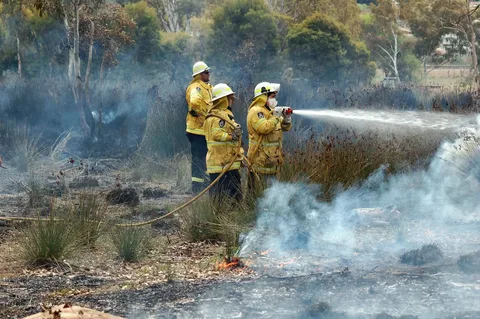
Learn how an emergency fire relief service in El Paso, TX can help families find immediate support, organize recovery needs, and plan next steps.
A house fire can change a family’s situation within minutes. After the flames are out, people may face damaged belongings, temporary housing needs, missing documents, and uncertainty about what to do next. First Relief provides information and support for people looking for an emergency fire relief service in El Paso, TX during this difficult period.
Fire recovery involves more than repairing a building. Families may need to organize immediate necessities, document losses, communicate with insurance providers, and find safe temporary arrangements. Having a clear plan can make the first few days more manageable.
For residents in El Paso, TX and Horizon, TX, understanding the different stages of fire relief can help families focus on practical needs instead of trying to solve everything at once.
Understanding an Emergency Fire Relief Service in El Paso, TX
An emergency fire relief service in El Paso, TX can help families understand and organize the immediate needs that follow a residential fire. The specific support available can vary depending on the situation, the level of property damage, and the family’s circumstances.
The first priority should always be safety. A property affected by fire may have structural concerns, damaged electrical systems, smoke contamination, broken windows, or other hazards. Families should follow instructions from fire officials and avoid entering unsafe areas.
Once the property is considered safe for appropriate access, documentation becomes important. Photographs, videos, written notes, receipts, and other records can help create a clear picture of what happened.
Families should also identify essential items they need immediately. Clothing, medication, food, identification documents, communication devices, and temporary accommodation may become urgent concerns.
What Families Often Need After a Fire
The needs that follow a fire can differ from one household to another. A family may have extensive property damage but still have some belongings that can be recovered. Another household may need to replace most everyday necessities.
Temporary housing can become one of the first concerns when a home cannot be occupied. Families should determine how long they may need alternative accommodation while the property undergoes assessment and recovery work.
Personal documents also deserve attention. Identification, insurance records, financial paperwork, school records, and other important documents may have been damaged or destroyed.
Children and older family members may have additional needs during the transition. Keeping daily routines as stable as possible can help households manage a stressful period.
Fire Victim Relief Services in Horizon, TX
Families researching fire victim relief services in Horizon, TX may need support that goes beyond physical property damage. A fire can disrupt work schedules, school routines, transportation, finances, and other parts of everyday life.
The first step is to identify immediate necessities. Families should determine where they will stay, what they need for the next several days, and which belongings or documents require urgent attention.
Communication also plays an important role. Keep contact information for insurance representatives, property owners, contractors, relief organizations, and other relevant parties in one place.
If several family members are involved, assigning specific responsibilities can reduce confusion. One person can organize documents while another handles temporary housing or communication.
Relief planning should remain flexible. A family’s needs may change as the property is inspected and the extent of the damage becomes clearer.
Fire Recovery Services in Horizon, TX
Fire recovery services in Horizon, TX can involve several stages, depending on the condition of the property and the family’s needs. Recovery may include cleaning, property assessment, repairs, rebuilding, replacement of damaged materials, and restoration of usable belongings.
Smoke and soot can affect areas that were not directly touched by flames. Odors may also remain after the visible damage has been addressed. Water used during firefighting can create additional moisture-related concerns.
Property owners should avoid making assumptions about what can or cannot be restored. Some furniture, clothing, documents, and household items may be recoverable through specialized cleaning or restoration processes.
The building itself may require a separate assessment. Walls, ceilings, flooring, insulation, electrical components, roofing, and other materials can experience different levels of damage.
Common Mistakes After a House Fire
One common mistake is entering the property before officials or qualified professionals confirm that it is safe. Fire can weaken structural components and create electrical or environmental hazards that are not immediately visible.
Another mistake is throwing away damaged belongings before documenting them. Photographs and written records can provide useful evidence when organizing insurance or recovery matters.
Families may also focus only on visible fire damage. Smoke, soot, and water can affect rooms that appear relatively unaffected.
Trying to clean everything with ordinary household products can create additional problems. Some surfaces and belongings require specialized cleaning methods, especially when soot or smoke residue has penetrated materials.
Another common issue is failing to keep important records together. Create one organized file for photographs, receipts, insurance documents, estimates, contact information, and recovery-related correspondence.
Best Practices for Fire Relief Planning
Start with immediate safety and basic needs. Once those are addressed, create a simple written list of the next tasks that require attention.
Document the property and belongings before major cleanup or disposal whenever it is safe and appropriate to do so. Include photographs of rooms, furniture, appliances, electronics, clothing, and visible structural damage.
Keep communication organized. Write down the names, phone numbers, email addresses, and reference information associated with insurance and recovery contacts.
Separate urgent needs from long-term decisions. A family may need temporary clothing and housing immediately, while decisions about rebuilding or replacing major property can wait until the damage assessment is clearer.
Review the plan regularly as new information becomes available. Fire recovery is rarely a single-step process, so priorities can change as inspections, insurance discussions, and property work progress.
Actionable Steps for El Paso and Horizon Families
Families should first confirm that everyone is safe and has a suitable place to stay. Next, they should identify essential medications, documents, clothing, food, and communication needs.
After that, document the damage carefully. Avoid disturbing areas that may present hazards or require professional evaluation.
Contact the appropriate insurance and relief resources and keep records of every major conversation. Ask questions when instructions or coverage details are unclear.
Finally, create a recovery checklist that separates immediate needs from property restoration and longer-term household planning.
Conclusion
An emergency fire relief service in El Paso, TX can be an important resource for families dealing with the uncertainty that follows a house fire. Immediate safety, temporary needs, documentation, communication, and recovery planning all deserve attention.
For residents in El Paso, TX and Horizon, TX, understanding fire victim relief services in Horizon, TX and fire recovery services in Horizon, TX can make the recovery process easier to organize. First Relief focuses on helping families understand their immediate needs and take practical steps toward recovery after a fire.
FAQ
What should a family do first after a house fire?
Safety comes first. Follow instructions from fire officials, avoid unsafe areas, arrange temporary accommodation if necessary, and identify essential needs such as medication, clothing, food, and important documents.
Should damaged belongings be thrown away immediately?
Not necessarily. Photograph and document damaged belongings before disposal when it is safe to do so. Some items may be recoverable through specialized restoration.
Does fire relief include smoke and water damage?
Fire-related recovery can involve smoke, soot, and water damage in addition to direct fire damage. The extent of each type of damage should be assessed before deciding what needs repair or replacement.
What documents should families keep after a fire?
Keep photographs, insurance documents, receipts, estimates, contact information, identification records, and written notes about damaged property and recovery activities.
How long can fire recovery take?
The timeline varies based on the severity of the fire, property condition, insurance processes, availability of temporary housing, restoration requirements, and the amount of rebuilding needed.