Learn how flood victim relief services support recovery with cleanup, restoration, emergency assistance, and recovery steps for El Paso, TX residents.
Flooding can create serious challenges for homeowners, families, and communities. Water damage can affect flooring, walls, furniture, personal belongings, and the overall safety of a property. Quick action helps reduce further damage and supports a smoother recovery process.
For residents looking for flood victim relief services in El Paso and Horizon, TX, understanding the recovery process is important. Flood recovery involves more than removing standing water. It may include cleanup, damage assessment, sanitation, repairs, and support with restoring normal living conditions.
First Relief helps individuals understand important steps after flooding and the resources available during recovery. Knowing what to do after water damage can help families make informed decisions during a stressful situation.
Understanding Flood Damage and Its Impact
Flood damage can affect different parts of a property depending on the amount of water, exposure time, and building structure.
Common effects of flooding include:
- Damaged flooring and drywall
- Mold growth risks
- Electrical safety concerns
- Contaminated materials
- Furniture and personal item damage
- Structural issues
Even after water disappears, moisture can remain hidden behind walls, under flooring, or inside building materials. Proper evaluation helps identify areas that need attention.
The Role of Flood Victim Relief Services
How Flood Victim Relief Services Support Recovery
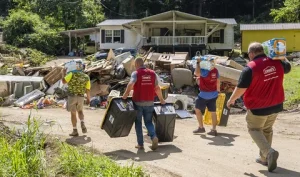
Flood victim relief services in El Paso, TX provide important support for individuals and families dealing with the effects of flooding. These services focus on helping affected residents manage immediate needs and begin the recovery process.
Support may include:
- Emergency response guidance
- Water removal coordination
- Property damage assessment
- Cleanup planning
- Restoration assistance
- Recovery resources
Every flood situation is different, so recovery plans should match the specific needs of the property and people affected.
Emergency Steps After Flood Damage
After a flood occurs, safety should always come first. Homeowners should avoid entering unsafe areas until conditions have been evaluated.
Important first steps include:
- Checking whether the property is safe to enter.
- Documenting visible damage with photos.
- Removing valuable items from affected areas when possible.
- Contacting appropriate support services.
- Avoiding contact with contaminated water.
- Beginning cleanup planning.
Taking careful steps early can help reduce risks and prevent additional damage.
Comparing Flood Cleanup Options
Different recovery approaches may be needed depending on the severity of the flooding.
| Situation | Recommended Action | Considerations |
| Minor water intrusion | Drying and cleaning | Quick action may prevent larger issues |
| Standing water | Water removal and drying | Requires proper equipment |
| Extensive damage | Full restoration planning | May involve structural repairs |
| Contaminated flooding | Specialized cleanup | Safety precautions are required |
Understanding the level of damage helps determine the right recovery approach.
The Importance of Emergency Flood Relief Service
When Emergency Flood Relief Service Is Needed
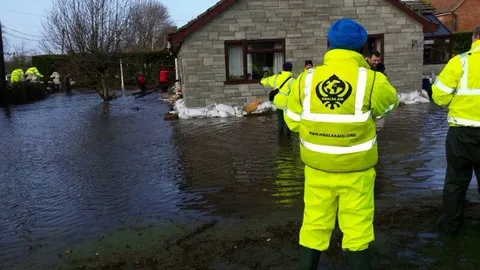
An emergency flood relief service in horizon-tx becomes important when flooding creates immediate safety concerns or prevents normal use of a property.
Emergency support may be needed for:
- Severe water intrusion
- Unsafe living conditions
- Damaged essential areas
- Contaminated floodwater
- Extensive property damage
Fast response can help limit additional problems caused by moisture and prolonged exposure.
Flood Cleanup and Restoration Process
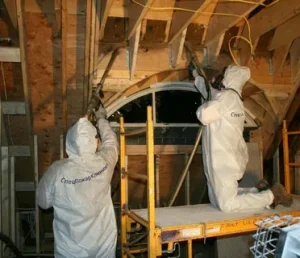
Flood recovery usually involves several stages. Each step helps return the property to a safe and usable condition.
The process may include:
1. Damage Assessment
Professionals evaluate the affected areas to determine the extent of the damage.
2. Water Removal
Standing water must be removed to reduce moisture problems.
3. Drying and Dehumidification
Proper drying helps prevent mold growth and further material damage.
4. Cleaning and Sanitizing
Affected areas may require deep cleaning to remove contaminants and odors.
5. Restoration Work
Damaged materials may need repair or replacement depending on the severity of the flood.
Common Flood Recovery Mistakes
Flood recovery can become more difficult when important steps are missed.
Common mistakes include:
- Waiting too long to begin cleanup
- Entering unsafe areas
- Ignoring hidden moisture
- Keeping damaged materials indoors
- Attempting major repairs without proper evaluation
- Not documenting damage
Careful planning helps reduce complications during recovery.
Best Practices After a Flood
Homeowners can take several steps to support a safer recovery.
Recommended practices include:
- Prioritize safety before cleanup
- Keep records of damage
- Remove moisture quickly
- Improve ventilation when possible
- Monitor for mold growth
- Follow professional recommendations
- Keep important documents organized
A structured recovery approach helps homeowners manage the process more effectively.
Flood Recovery Considerations in El Paso and Horizon, TX
Flood events can affect properties differently based on location, construction style, and weather conditions. Residents in El Paso and Horizon should consider both immediate cleanup and long-term property protection.
Important factors include:
- Type of water damage
- Building materials affected
- Moisture levels
- Potential contamination
- Required repairs
Understanding these factors helps create a more complete recovery plan.
How to Prepare for Future Flood Risks
While flooding cannot always be prevented, homeowners can take steps to reduce future risks.
Helpful preparation steps include:
- Maintaining drainage systems
- Checking areas where water collects
- Protecting important documents
- Creating an emergency plan
- Knowing local assistance resources
- Inspecting vulnerable areas regularly
Preparation can make future emergencies easier to manage.
Actionable Tips for Flood-Affected Families
If your property experiences flooding:
- Focus on safety first.
- Document damage before cleanup.
- Avoid spreading contaminated materials.
- Remove moisture as quickly as possible.
- Seek professional guidance when needed.
- Keep communication records during recovery.
Small decisions can make a significant difference during flood recovery.
Conclusion
Finding reliable flood cleanup and restoration in El Paso and Horizon, TX helps families understand the steps needed after a flood. Recovery involves safety checks, cleanup, restoration planning, and careful attention to property conditions.
First Relief helps residents navigate flood recovery needs by providing information and support throughout the process. With quick action, proper planning, and the right resources, families can move toward restoring their homes and daily lives.
FAQs
1. What do flood victim relief services include?
Flood victim relief services may include recovery guidance, cleanup support, damage assessment, and restoration assistance.
2. How quickly should flood cleanup begin?
Cleanup should begin as soon as it is safe because moisture can lead to additional damage and mold growth.
3. Can flood damage cause mold problems?
Yes. Moist environments created by flooding can increase the risk of mold growth if not properly dried.
4. What should I do immediately after a flood?
Prioritize safety, document damage, avoid contaminated water, and begin planning the recovery process.
5. Why is professional flood cleanup important?
Professional cleanup helps address hidden moisture, contamination concerns, and restoration needs more effectively.